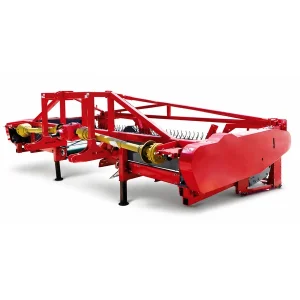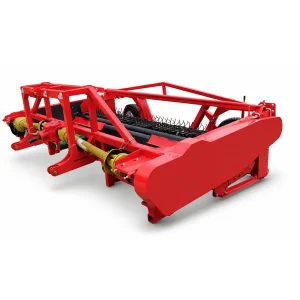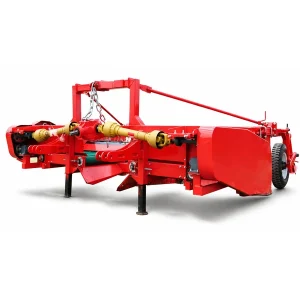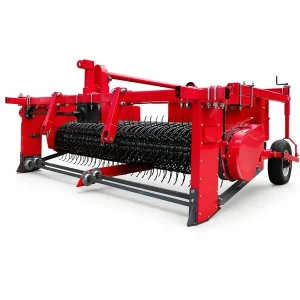
4BYH-1.3 Barbunya Fasulyesi Sökme Makinesi | 2 Sıralı Kuru Fasulye Sökme Makinesi
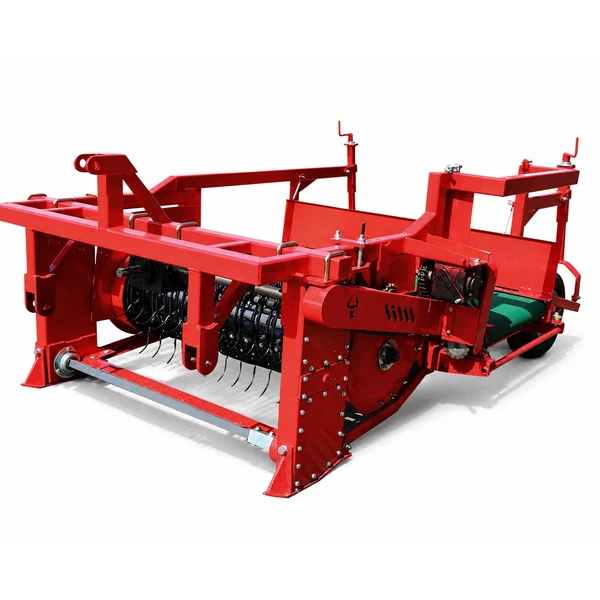
The 4BYH-1.3 barbunya fasulyesi sökme makinesi Hasat hattımızdaki giriş seviyesi 2 sıralı, üç noktalı bağlantılı kuru fasulye sökme makinesidir. 1,3 metrelik çalışma genişliği, fasulye bitkisini topraktan nazikçe kaldıran yaylı tırmık sistemi ve 40 kW'lık güç eşleşmesiyle Michigan, Kuzey Dakota, Nebraska, Idaho ve Minnesota'daki kompakt çiftlikler ve özel fasulye üreticileri için uygundur. Çalışma hızı 5 ila 8 km/saat, verimlilik 0,65 ila 1,04 ha/saat'e ulaşır ve 600 kg'lık çerçeve, herhangi bir standart kategori 1 veya kategori 2 üç noktalı bağlantıya monte edilebilir.
4BYH-1.3'ün ABD'deki Kuru Fasulye Hasadındaki Yeri
Amerikan kuru fasulye hasadı iki aşamalı bir işlemdir. İlk olarak, baklalar kahverengiye döndüğünde ve yaprakların çoğu döküldüğünde, bir fasulye sökücü (fasulye kesici veya fasulye kaldırıcı olarak da adlandırılır) tarlada ilerler. Kaldırıcının bıçakları toprak yüzeyinin bir veya iki inç altından geçerek ana kökü keserken, yaylı tırmıklar bitkinin tamamını sıradan çıkarır ve toprağın üzerine nazikçe bir yığın halinde yerleştirir. İki ila yedi gün sonra, fasulye bitkileri tarlada kuruduktan sonra, fasulye toplama başlığıyla donatılmış bir biçerdöver yığını birleştirir, baklaları harmanlar ve temizlenmiş fasulyeleri tahıl tankına taşır.
4BYH-1.3 barbunya fasulyesi sökme makinesi, bu iş akışının kaldırma aşamasını oluşturur. Dört kademeli kuru fasulye hasat kataloğumuzdaki en küçük ve en basit model olup, her sezon yaklaşık 50 ila 250 dönüm alanda barbunya, beyaz fasulye, barbunya, siyah fasulye, nohut veya özel baklagil ürünleri yetiştiren operatörler için tasarlanmıştır. Daha geniş 4 sıralı 4BYH-2.6 ve ticari sınıf 5 sıralı ve 6 sıralı modellere kıyasla, 4BYH-1.3, aleti hafif (600 kg), traktör ihtiyacını düşük (40 kW veya yaklaşık 55 beygir gücü) ve tekerlek izini 1300 mm'de dar tutarak, bitişik sıraları ezmeden çoğu standart 22 inç ve 30 inç ABD sıra aralığını geçmeyi sağlar.
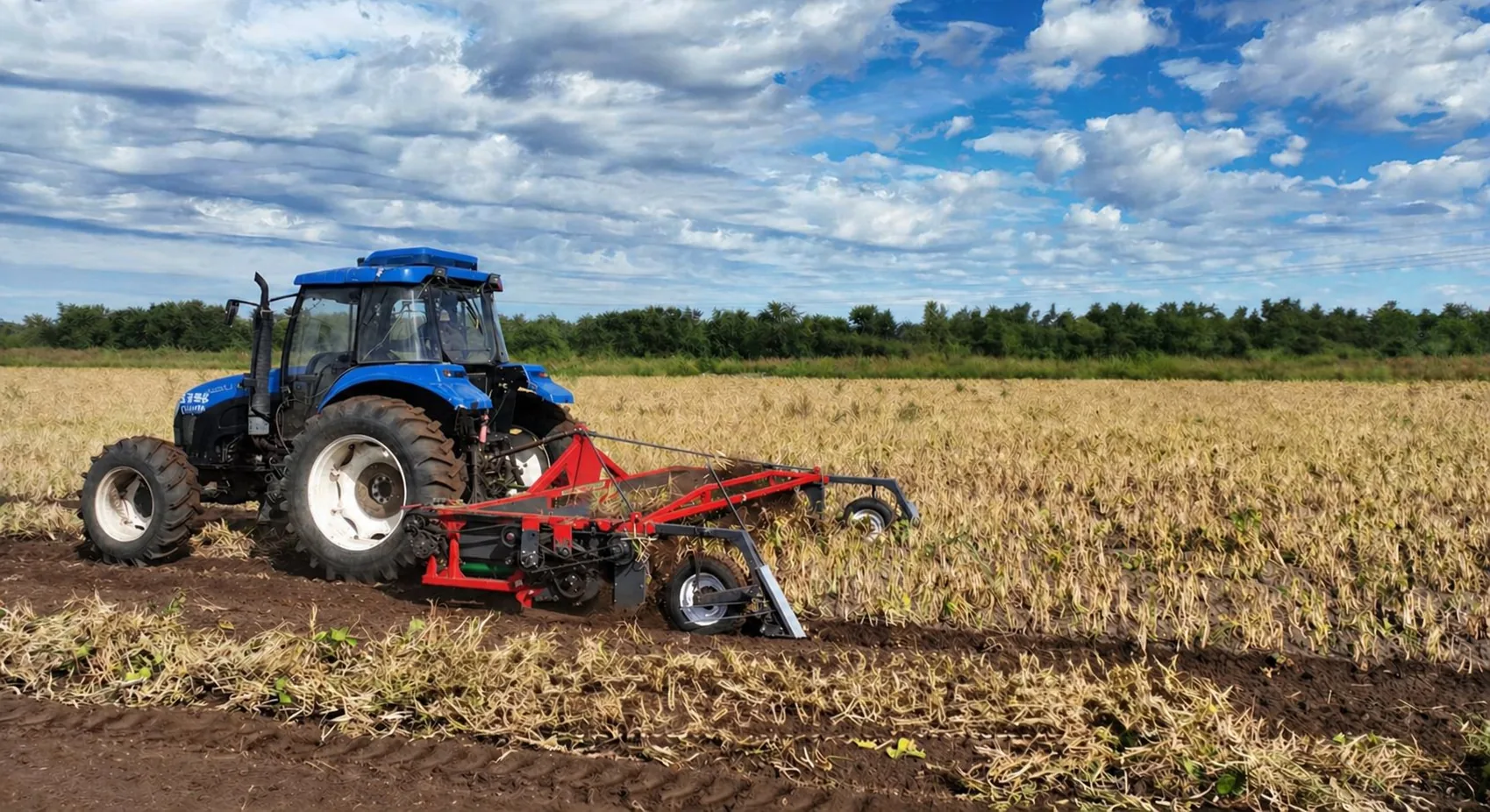
Özel fasulye yetiştiricileri, organik çiftlikler, ilçe tarım kooperatifleri ve tohumluk fasulye işletmeleri için 4BYH-1.3 ek bir avantaja sahiptir: ürünü aşırı derecede elle işlemez. Daha büyük arkadan çekmeli ve önden itmeli çekiciler, fasulyeleri daha uzun bir konveyör mesafesinden geçirir ve eski çeşitlerde veya ince kabuklu organik stoklarda kabuk kırılması riskini artırır. Bu modelin kompakt 1,3 metrelik açıklığı, daha kısa ve daha nazik bir ürün yolu anlamına gelir; bu da özel alıcıların temizleme tesisinde ödüllendirdiği bir özelliktir. Pickett Equipment, Lockwood Manufacturing ve benzeri ABD pazarı tedarikçilerinden Amerikan kuru fasulye makineleri, bitişik ürün kademelerinde faaliyet göstermektedir; bu isimler burada yalnızca çapraz özellik seçimi için tanıdık referans noktaları olarak belirtilmiştir. Herhangi bir bağlantı, sponsorluk, onay veya ticari marka ilişkisi ima edilmemektedir.
Başlıca Teknik Özellikler
4BYH-1.3 spesifikasyonunun temelini üç rakam oluşturuyor. 1,3 metrelik çalışma genişliği, standart 26 inç (660 mm) fasulye aralığında 2 sıralı çekişe uygun; 600 kg'lık toplam kütle, aleti 55 beygir gücündeki herhangi bir traktör için üç noktalı askı kapasitesinin hafif ucunda tutuyor; ve 0,65 ila 1,04 ha/saat verimlilik rakamı, saatte yaklaşık 1,6 ila 2,6 dönüm etkili kaldırmaya karşılık geliyor. 50 dönümlük bir fasulye tarlası, tek bir traktör ve tek bir operatörle bir tam iş gününden çok daha kısa sürede çekilebiliyor.
Çalışma hızı saatte 5 ila 8 km arasında değişir; bu da ABD'deki bir fasulye tarlasında yaklaşık 3 ila 5 mil/saate denk gelir. Bu, kaldırıcı bıçakların ana kökün altından titreşimsiz bir şekilde temiz bir şekilde kesmesini ve yaylı tırmıkların bitkiyi kabuk kırılması olmadan sıraya yerleştirmesi için gereken süreyi sağlamak için doğru yer hızıdır. Daha yüksek yer hızı, bitkilerle birlikte toprağın savrulma riskini artırır; daha düşük hız ise saatlik verimi düşürür. Çoğu operatör, toprak tipi ve fasulye çeşidi için en uygun hızı bulduktan sonra saatte 6,5 km civarında karar kılar.
| HAYIR. | Öğe | Birim | Özellikler |
|---|---|---|---|
| 1 | Model | / | 4BYH-1.3 Barbunya Fasulyesi Çekme Aleti |
| 2 | Hitch | / | 3 noktadan monte edilmiş (arka) |
| 3 | Alım tipi | / | İlkbahar-tırnağı |
| 4 | Çalışma genişliği | M | 1.3 (~51 inç) |
| 5 | Gerekli traktör gücü | kW | ≥ 40 (~55 HP) |
| 6 | Çalışma hızı | km/sa | 5 - 8 |
| 7 | Çalışma boyutları (Uzunluk x Genişlik x Yükseklik) | mm | 2500 x 1800 x 1250 |
| 8 | PTO hızı | r/dakika | 540 |
| 9 | Tekerlek izi | mm | 1300 |
| 10 | Verimlilik | ha/h | 0,65 - 1,04 (~1,6 - 2,6 ac/h) |
| 11 | Operatörler | kişi | 1 |
| 12 | Yapısal kütle | kilogram | 600 (~1.323 lb) |
İmperyal ölçü birimleri yuvarlanmış yaklaşık değerlerdir. Metrik değerler ise resmi mühendislik spesifikasyonlarıdır.
Çalışma Prensibi: Ayakta Duran Mahsulden Kurutulmuş Yığın Haline
Kuru fasulye sökme makinesinin tek bir görevi vardır ve bunu her sıra için aynı anda iki kez yapması gerekir. 4BYH-1.3 modeli, aletin ön tarafına monte edilmiş, her sıra için bir tane olmak üzere iki yatay kaldırma bıçağı taşır. Her bıçak hafifçe aşağı doğru açılıdır ve traktör 5 ila 8 km/sa hızla ilerlerken toprak yüzeyinin yaklaşık iki inç altında çalışır. Bıçak, fasulye bitkisinin ana kökünü gövdesini kesmeden temiz bir şekilde keser ve bitkiyi sağlam bırakarak bir saniyeliğine yerinde durmasını sağlar.
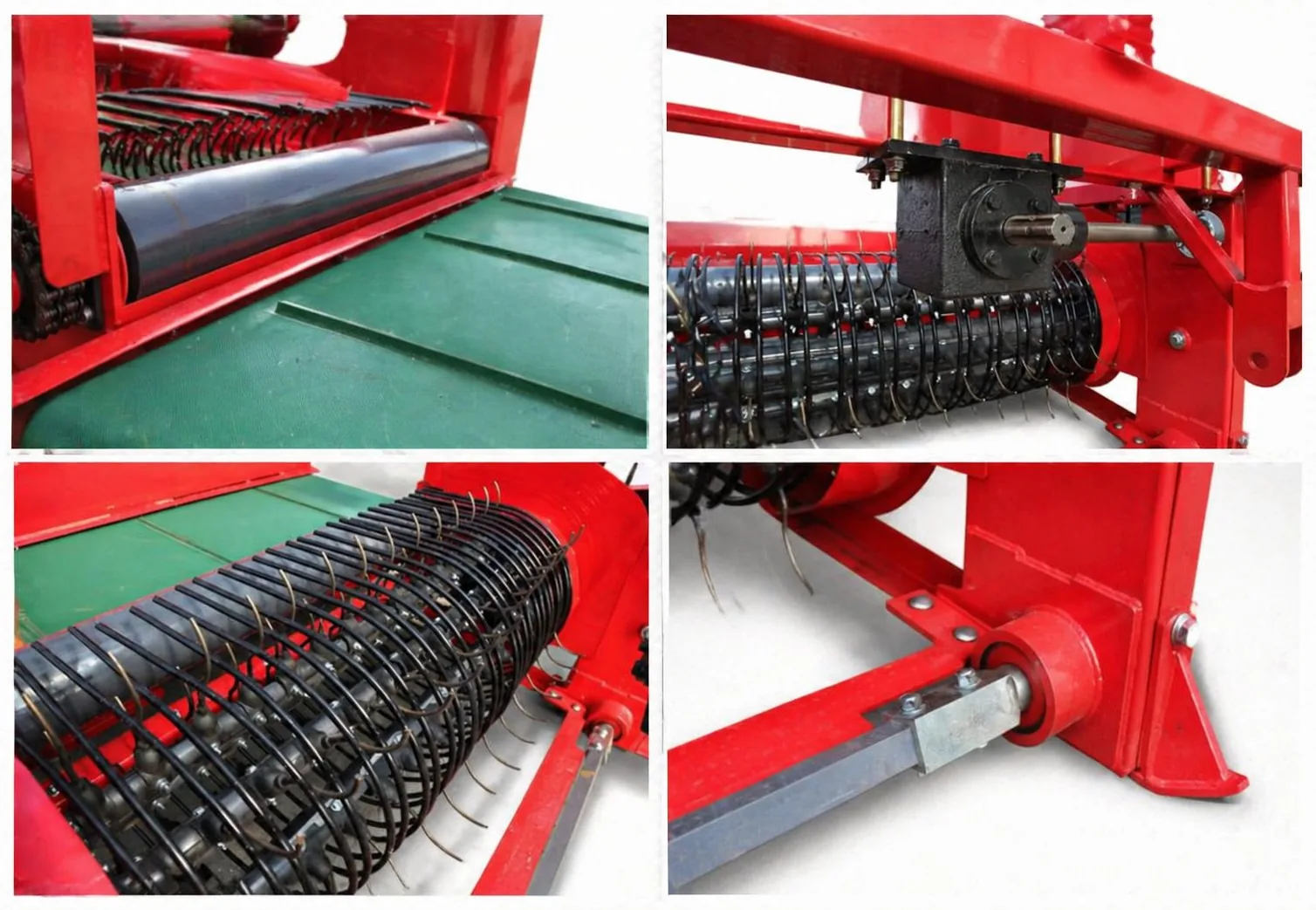
Her bir payın arkasında, dönen yaylı tırmık silindiri, kesilen bitkiyi düşmeden önce yakalar. Tırmıklar, PTO tahrikli hızda (giriş mili 540 dev/dak) dönen yatay bir tambur üzerine yerleştirilmiştir ve toprak-bitki arayüzünden yukarı doğru tarama yaparak her fasulye bitkisini sıradan kaldırır ve merkezi konveyör bandına yanlamasına yerleştirir. Tırmık hareketi darbe tabanlı değil, süpürme tabanlı olduğundan, nohut ve adzuki gibi kuru ve kırılgan fasulye çeşitlerinde bile bakla kırılma kaybı düşük kalır.
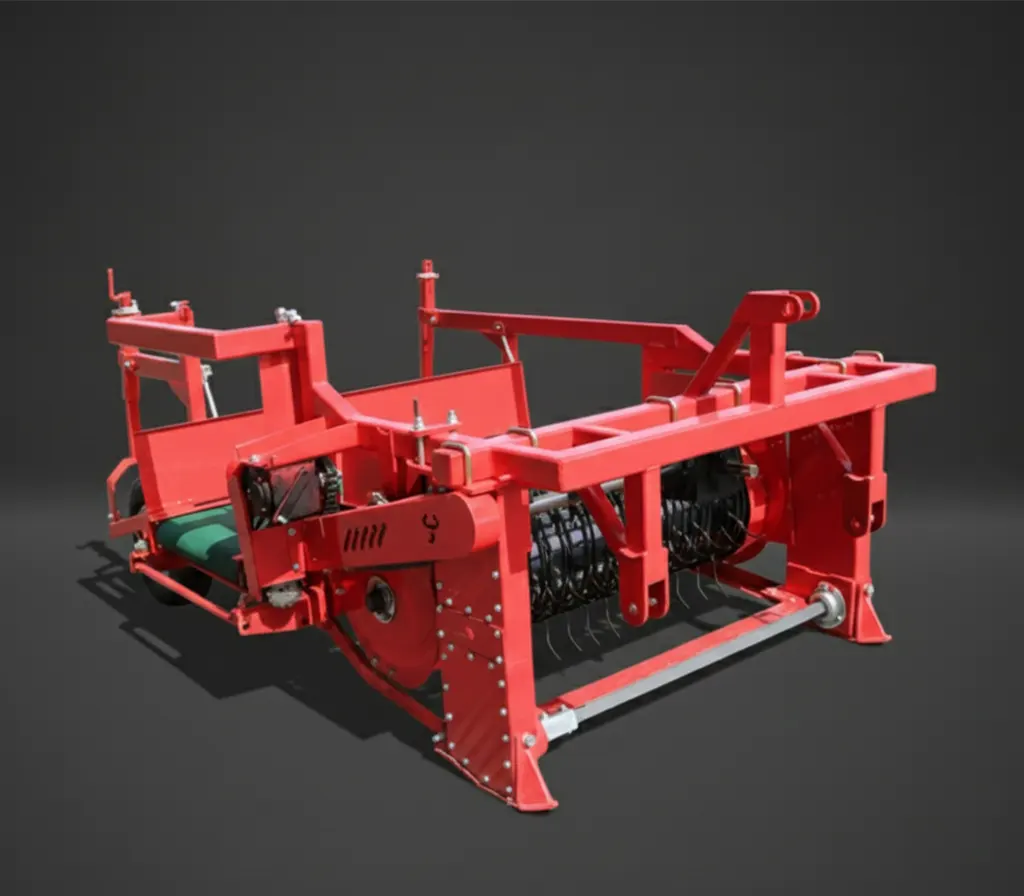
Konveyör, kaldırılan bitkileri aletin arkasına taşır ve burada bitkiler, yeni çekilen sıraların üzerine sürekli bir sıra halinde düşer. Bu sıra gevşek olmalı, sıkıştırılmamalıdır, böylece sıralanmış bitkiler eşit şekilde kuruyabilir. 4BYH-1.3 konveyörü, bitkileri doğru hava akışı geometrisinde bırakacak şekilde ayarlanmıştır: kökler bir tarafa, baklalar üstte açıkta ve iki sıra bitkiyi yığılmadan tek bir sıra halinde birleştirmek için yeterli örtüşme.
Hasat makinesi tarlayı terk ettikten sonra, bitkiler bölgesel hava koşullarına bağlı olarak 2 ila 7 gün boyunca toprak üzerinde hava ile kurumaya bırakılır. Nem içeriği yaklaşık ila 'ya düştüğünde (bu, biçerdöver için güvenli eşiktir), bir fasulye toplama başlığına sahip biçerdöver tarladan geçer, sıra halindeki fasulyeleri toplar, baklaları harmanlar ve temizlenmiş fasulyeleri tahıl tankına taşır. Yan yana saman veya yem bitkisi yetiştiren ABD'li üreticiler için aynı toplama geometrisi konsepti bizim sistemimizde de yer almaktadır. 9LZ-6.0 parmak tekerlekli saman tırmığıAynı nazik süpürme felsefesini kurutulmuş çim ve yonca üzerinde de kullanır.
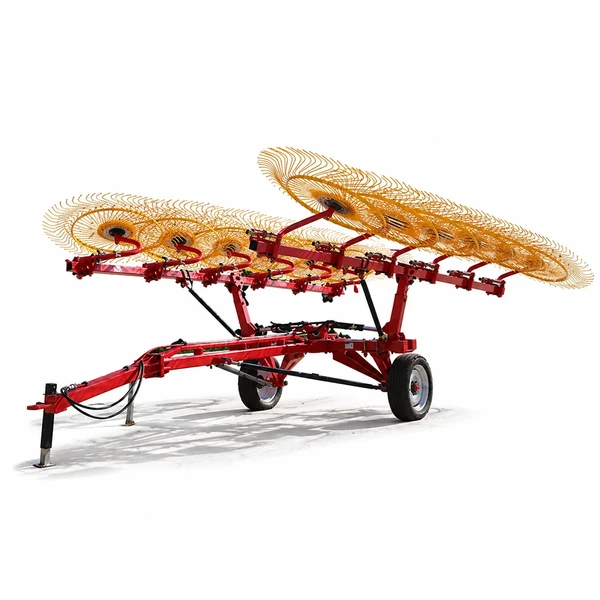
9LZ-6.0 parmak tekerlekli saman tırmığı
ABD'deki Kuru Fasulye Çiftliklerinin Temel Operasyonel Avantajları
Aşağıdaki dört avantaj, müşterilerimizin 4BYH-1.3'ü tek sıralı monte edilmiş bir üniteye, daha geniş 4 sıralı bir çekme sistemine veya kullanım ömrünün sonuna ulaşmış eski bir atölye yapımı kaldırma sistemine tercih etmelerinin nedenleri olarak sürekli olarak belirttikleri avantajlardır. Her biri doğrudan teknik özellik tablosundaki bir sayıya karşılık gelir.
◆ Nazikçe Kapsül Taşıma
Yaylı tırmıkla kaldırma, doğrama değil, süpürme işlemidir; bu da fasulye bitkisinin kabuğu hala gövdeye bağlıyken sıraya ulaşması anlamına gelir. Özel fasulye alıcıları (organik siyah fasulye, geleneksel barbunya, nohut) bunu daha temiz örnekler ve kilogram başına daha yüksek fiyatlarla ödüllendirir.
◆ 40 kW Giriş Gücü
55 beygir gücündeki, kategori 1 veya kategori 2 üç noktalı askı sistemine ve 540 PTO'ya sahip herhangi bir yardımcı traktör bu çekiciyi çalıştırabilir. Kubota M, John Deere 5E, Massey Ferguson 4700 ve benzeri yardımcı traktörlerin sahiplerinin kuru fasulye hasadına başlamak için ekipmanlarını yükseltmelerine gerek yoktur.
◆ Kompakt 1300 mm Ray
Dar tekerlek izi, dönüş geçişleri sırasında bitişik sıraları ezmeden, ABD'deki çoğu kuru fasulye sıra aralığını (22 ila 30 inç) rahatlıkla geçmektedir. Bu da, daha geniş 4 sıralı ünitelerin genellikle ekili ürünün %2 ila %3'ünü kaybettiği tarla kenarlarında ve tarla başlarında verimi korur.
◆ Hızlı 3 Noktalı Bağlantı
600 kg'lık ekipmanın montajı ve sökülmesi, standart kaldırma kolları ve PTO bağlantısı ile tek bir operatör tarafından 10 dakikadan kısa sürede gerçekleştirilebilir. Bu, hasat döneminin kısıtlı olduğu zamanlarda birden fazla kiralık tarlada veya ortak işletmede ekipman paylaşan küçük ölçekli çiftçiler için çok önemlidir.
Yapı, Aşınan Parçalar ve Kullanım Ömrü
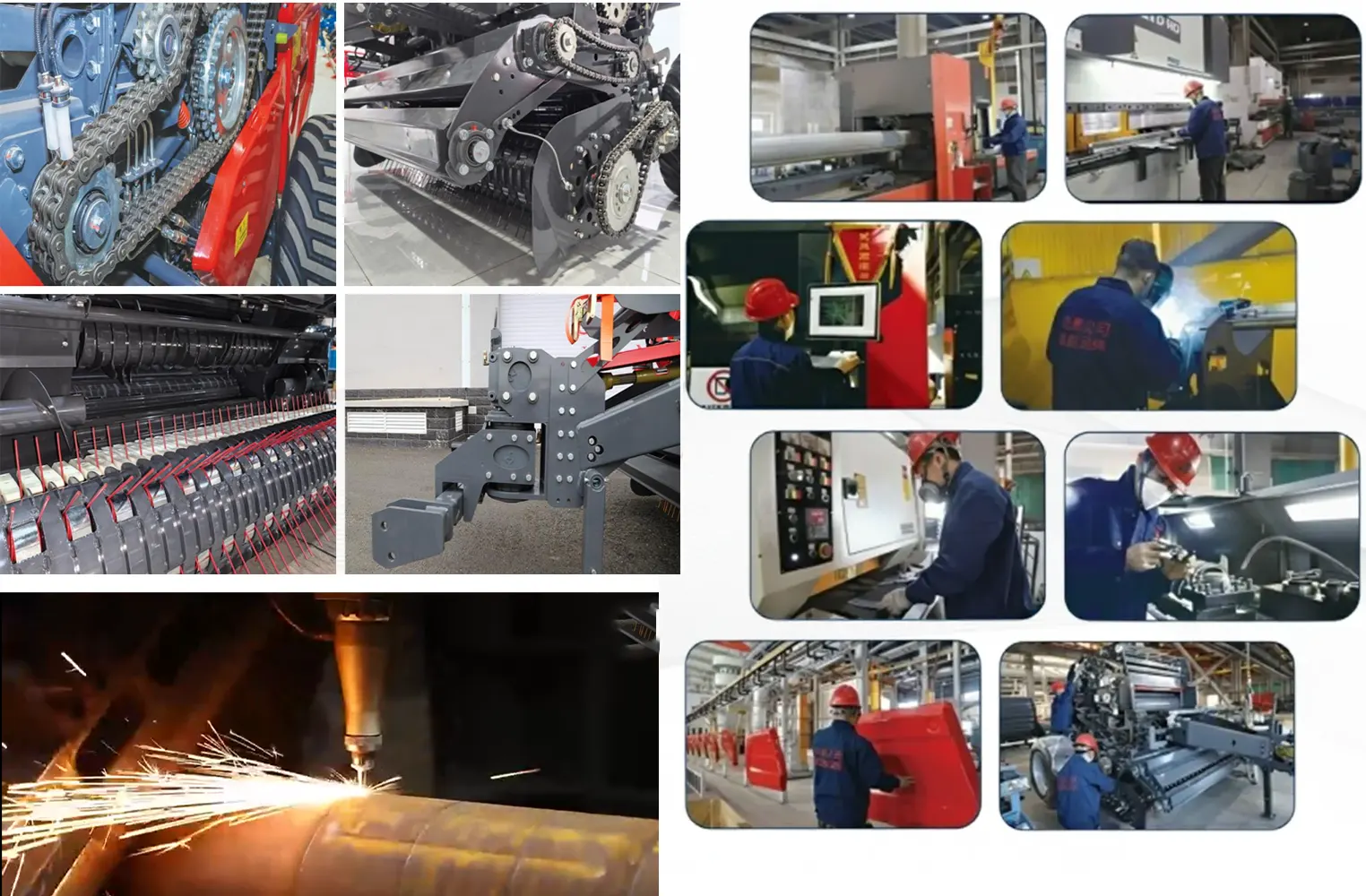
4BYH-1.3, CNC lazer kesim levhadan imal edilen ve her bir kaynak dikişinin tutarlı bir derinliğe ulaşması için otomatik kaynak aparatlarında monte edilen kaynaklı karbon çelik ana çerçeve etrafında inşa edilmiştir. Çerçeve daha sonra beyaz metal haline gelene kadar kum püskürtme işlemine tabi tutulur ve imzamız olan koyu indigo elektrostatik toz boya ile kaplanır. Bu kaplama, mısır veya yonca ile dönüşümlü olarak ekilen fasulye tarlalarında tipik olan toprak nemine, gübre püskürtme kalıntılarına ve amonyak maruziyetine karşı dayanıklıdır.
İki kaldırma bıçağı, herhangi bir fasulye sökme makinesinde en çok aşınan parçadır. 4BYH-1.3, yüksek karbonlu sertleştirilmiş çelik bıçaklar kullanır ve bu bıçaklar, kesici kenar yeniden bilenebilir noktayı geçtiğinde ayrı ayrı değiştirilebilmeleri için bıçak tutucusuna cıvatalanmıştır (kaynaklı değil). Çoğu Amerikalı operatör, toprak aşındırıcılığına bağlı olarak, orijinal ekipman üreticisinin bıçaklarından bir ila iki sezon verim alır; kumlu tınlı toprak, daha ağır killi tınlı toprağa göre bıçakları daha hızlı aşındırır.
Kaldırma tamburundaki yaylı dişler ikinci aşınma grubunu oluşturur. Her bir diş, kalıcı deformasyona uğramadan esneyen yüksek hafızalı karbon yay formülasyonundan yapılmış rotora ayrı ayrı cıvatalanmıştır. Kırık bir dişin değiştirilmesi yaklaşık altı dolara ve üç dakikalık saha zamanına mal olur. Hasat sırasında alet kutunuzda her zaman 12 dişten oluşan yedek bir paket bulundurmanızı öneririz.
Konveyör bant, fasulye bitkileri ve tarla toprağıyla aşındırıcı temasa dayanacak şekilde tasarlanmış, iç kumaş katmanlarıyla güçlendirilmiş ağır hizmet tipi kauçuk kompozitten yapılmıştır. Bantın kullanım ömrü, normal kullanımda genellikle iki ila dört tam sezondur. PTO giriş dişli kutusu sızdırmaz, yağ banyosuyla yağlanmış ve 540 dev/dak sürekli çalışma için derecelendirilmiştir. Aletin tamamındaki rulmanlar, yalnızca planlı servis aralıklarında gres gerektiren sızdırmaz çift sıralı tasarımlar kullanır.
Saha Testinden Geçmiş Uygulama Senaryoları
4BYH-1.3, 50 ila 250 dönümlük kuru fasulye tarlaları için tasarlanmıştır ve ABD fasulye kuşağında dört temel hasat senaryosuna hizmet eder. Her senaryo, daha ağır 4 sıralı ve 5 sıralı çekicilere kıyasla daha nazik, düşük verimli tasarımı tercih eder.
▸ Pinto ve Lacivert Fasulye Hasadı
Pinto ve beyaz fasulye, Kuzey Dakota'nın Kızıl Nehir Vadisi ve Michigan'ın Saginaw Körfezi bölgesinin en çok yetiştirilen baklagilleridir. Daha küçük çiftliklerde (50 ila 200 dönüm), 4BYH-1.3, tarla düzenine bağlı olarak bir ila üç gün içinde hasat aşamasını tamamlar. Çalışma hızı, beyaz fasulye bitkilerinin nispeten kısa olması ve sıra halindeki fasulyelerin düzgün bir şekilde birleşmesi nedeniyle 5 ila 8 km/saat aralığının üst ucunda yer alır. Operatörler, çekme derinliği ana kökün bir buçuk inç altına doğru ayarlandığında, %2'den daha az bakla kırılma kaybı bildirmektedir.
▸ Böbrek ve Siyah Fasulye Ameliyatları
Açık kırmızı barbunya ve siyah fasulye, ticari lacivert fasulyeye göre kilogram başına daha yüksek fiyatlara sahip olduğundan, kabuk kırılması kaybı özellikle pahalıya mal oluyor. 4BYH-1.3'ün yaylı tırmık hareketi, tohum kabuklarının sert muameleyle çatlayabileceği kuru barbunya bitkilerinde bile, sap üzerinde kabuk tutma oranını yüksek tutar. Saginaw Vadisi'nde 100 ila 250 dönüm arasında birinci sınıf siyah fasulye veya özel barbunya çeşitleri yetiştiren çiftçiler, daha büyük ünitelerin ürüne çok agresif bir şekilde müdahale etmesi nedeniyle, genellikle bu 2 sıralı çekiciyi tercih ederler.
▸ Adzuki, Nohut ve Özel Baklagiller
Idaho ve Pasifik Kuzeybatı'daki özel baklagil pazarları, Asya'ya ihracat için adzuki fasulyesi, nohut humusu tedarik zinciri için garbanzo fasulyesi ve organik ve çiftlikten sofraya kanallar için küçük partiler halinde geleneksel kuru fasulyeyi kapsamaktadır. Bitkilerin boy, bakla yoğunluğu ve gövde sağlamlığı bakımından farklılık göstermesi, 4BYH-1.3'ün nazik ve dar kaldırma profilini desteklemektedir. 600 kg'lık ekipman ağırlığı ayrıca toprak sıkışmasını düşük tutar; bu da rejeneratif uygulama protokollerinin ağır ekipmanları kısıtladığı organik tarlalar için önemlidir.
▸ Küçük Ölçekli Tarım ve Kooperatif Ekipman Paylaşımı
İlçe tarım kooperatifleri, ekipman paylaşım ortaklıkları ve tohumluk fasulye yetiştiricileri, hasat dönemi boyunca üye çiftlikler arasında taşınabilen, çok yönlü ve kolay monte edilebilen bir çekiciye sıklıkla ihtiyaç duyarlar. 4BYH-1.3, herhangi bir kategori 1 veya kategori 2 üç noktalı bağlantıdan 10 dakikadan kısa sürede takılıp çıkarılabildiğinden, ortak varlık operasyonları için ideal bir çözümdür. Hafif çerçevesi ayrıca, çiftlikler arasında karayolu taşımacılığı için standart 4,2 metrelik bir ekipman römorkuna kolayca monte edilebilir.
Bakım Programı ve Servis Takvimi
Kuru fasulye hasadı her sonbaharda 3 ila 6 haftalık kısa bir zaman diliminde gerçekleştiğinden, 4BYH-1.3'ün ilk günden itibaren sorunsuz çalışmaya hazır olması gerekir. Aşağıdaki bakım programı günlük, periyodik ve sezon öncesi kontrolleri kapsamaktadır. Çoğu operatör, güzergahı öğrendikten sonra günlük rutini 8 dakikadan kısa sürede tamamlar.
| Servis Kalemi | Aralık | Aksiyon |
|---|---|---|
| Lifter hisse denetimi | Günlük | Bıçağın kenarında kırık veya aşırı aşınma olup olmadığını kontrol edin; yuvarlaklaşmışsa yeniden bileyin veya değiştirin. |
| Yay diş sayısı | Günlük | Kaldırma tamburunu hareket ettirin, kırık veya bükülmüş dişleri yedek paketten temin ederek değiştirin. |
| Konveyör bant gerginliği | Günlük | Kayma veya raydan çıkma olup olmadığını görsel olarak kontrol edin, gerekirse avara gergi mekanizmasını ayarlayın. |
| PTO mili ve kaymalı kavrama | Her 50 saatte bir | Dişlileri yağlayın, kaymalı kavrama tork ayarını kılavuza göre doğrulayın. |
| Rulman gresi | Her 100 saatte bir | Rotor ve avara millerindeki tüm gres nipellerine yeni lityum gresi pompalayın. |
| Şanzıman yağı | Yıllık | Depolamadan önce giriş şanzımanını boşaltın ve üretici spesifikasyonlarına uygun şanzıman yağı ile yeniden doldurun. |
| Çerçeve ve kaynak denetimi | Sezon öncesi | Kaynak yerlerinin kontrolü, bağlantı cıvatalarının ve kaldırma tertibatı cıvatalarının belirtilen tork değerlerine göre sıkılması. |
| Toz boya rötuşu | Gerektiği gibi | Korozyonun içeriye nüfuz etmesini önlemek için şasinin üzerindeki tüm çatlaklara sprey sıkın. |
Barbunya Fasulyesi Çekme Makinesi Serisinin Boyutları
Kuru fasulye hasat kataloğumuz, sıra sayısı, çalışma genişliği ve traktör gücüne göre ölçeklendirilmiş dört ekipman kademesini kapsamaktadır. Aşağıdaki tarafsız karşılaştırma, kendi yayınladığımız teknik özelliklerimizi kullanmaktadır; böylece Amerikalı alıcılar 4BYH-1.3'ü kendi bünyemizdeki diğer modellerle bir bakışta karşılaştırabilir ve arazilerine uygun doğru boyutu seçebilirler.
| Metrik | 4BYH-1.3 (bu sayfa) | 4BYH-2.6 | 4BYH-3.25 | 4BYHD/4BYHS-3.9 |
|---|---|---|---|---|
| Satır sayısı | 2 satır | 4 satır | 5 satır | 6 satır |
| Çalışma genişliği | 1,3 m | 2,6 m | 3,25 m | 3,9 m |
| Traktör gücü | ≥ 40 kW (~55 HP) | 66 - 88 kW (~90 - 120 HP) | 103 - 132 kW (~140 - 180 HP) | 132 - 147 kW (~180 - 200 HP) |
| Verimlilik | 0,65 - 1,04 ha/saat | 1,56 - 2,6 ha/saat | 1,95 - 3,25 ha/saat | 2,34 - 3,9 ha/saat |
| Ağırlığı uygulayın | 600 kg | 1100 kg | 1540 kg | 1675 - 1780 kg |
| En uygun arazi | 50 - 250 dönüm | 200 - 600 dönüm | 500 - 1000 dönüm | 800+ dönüm |
| Tipik kullanıcı | Küçük çiftlik, özel fasulye, organik, kooperatif | Orta ölçekli ticari fasulye çiftliği | Ticari pinto/donanma operasyonu | Endüstriyel ölçekte fasulye üreticisi |
Eğer ekim alanınız 250 dönümün üzerindeyse, hasat hızını 3 ila 6 haftalık kuruma süresi içinde tutmak için 4 sıralı 4BYH-2.6 modeline geçin. Ayrıca fasulye ekim dönemleri arasında mısır sapı veya ot samanı balyalıyorsanız, römorklu biçerdöverlerimize göz atın. yuvarlak balya makinesi serisi Traktörle aynı uyumlu bir balya makinesi seçmek.
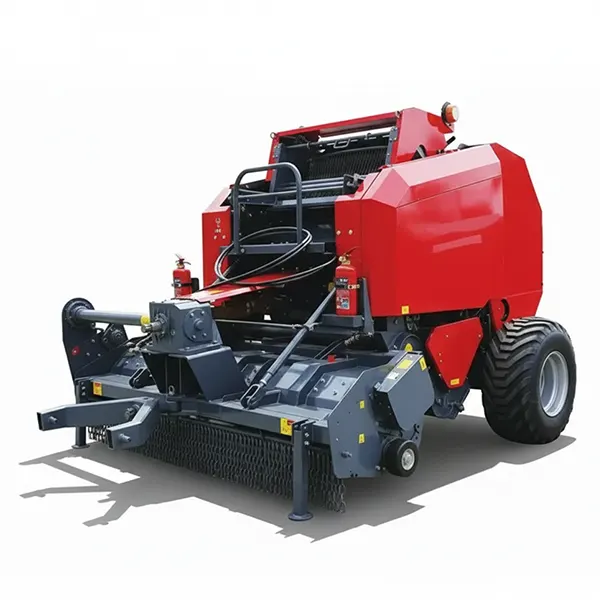
yuvarlak balya makinesi
Ek Ekipman ve Aktarma Organları Notları
Kuru fasulye çekme makinesi, daha uzun bir hasat zincirinin bir parçasıdır ve doğru yardımcı ekipman hem verimliliği hem de nihai fasulye kalitesini artırır. 4BYH-1.3, küçük ve orta ölçekli bir Amerikan fasulye işletmesinin geri kalanıyla sorunsuz bir şekilde entegre olacak şekilde tasarlanmıştır.
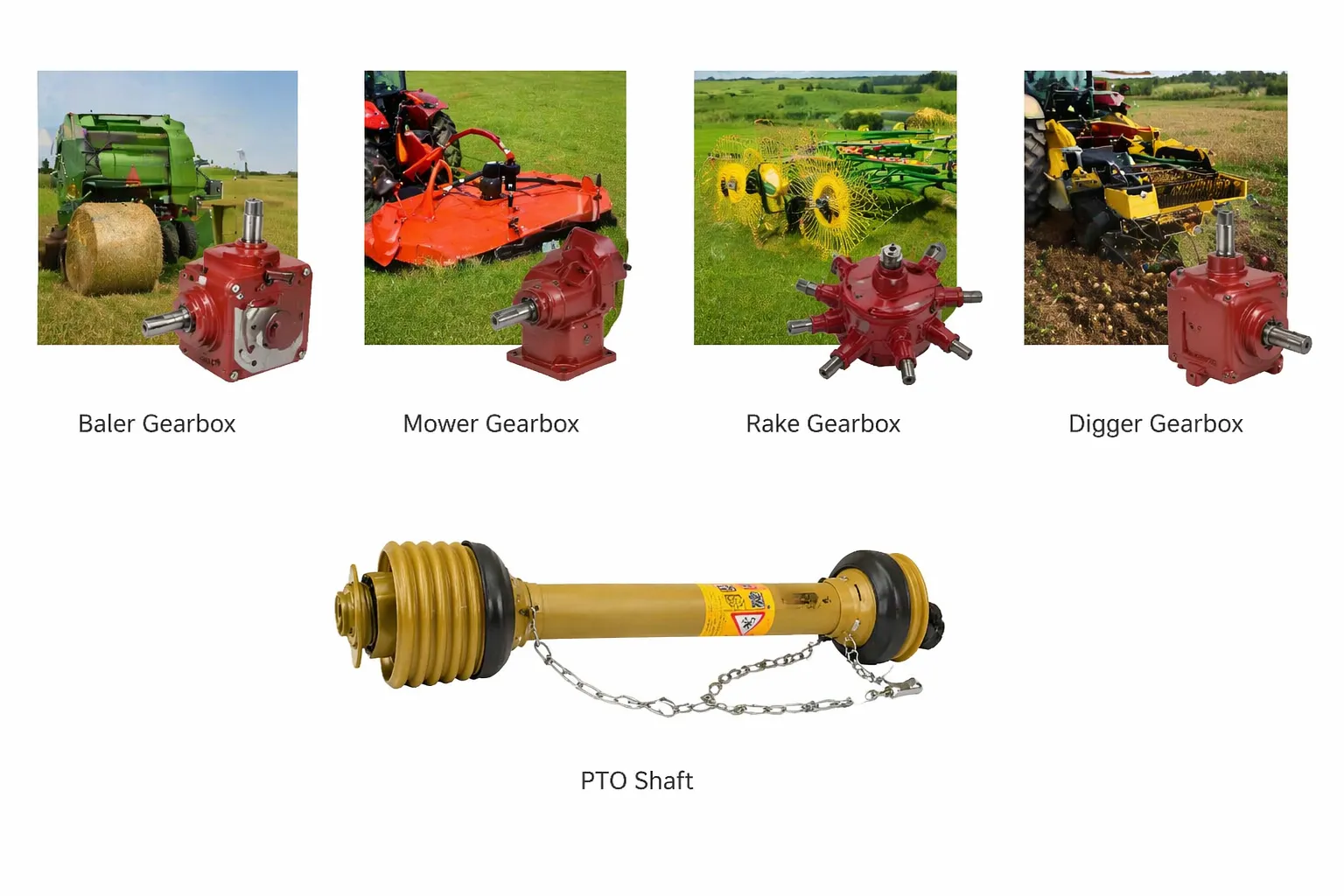
Giriş tarafında, 540 dev/dak'lık bir PTO mili, traktörü çekicinin giriş dişli kutusuna bağlar. Mil, tahrik hattı şokunun dişli kutusuna veya kaldırma rotoruna zarar vermeden önce serbest bırakılacak şekilde kalibre edilmiş bir kaymalı kavrama tork sınırlayıcısı içerir. Kaldırıcının bıçakları gömülü bir kayaya çarparsa, kaymalı kavrama darbeyi emer ve operatör traktörü geri çekebilir, engeli kaldırabilir ve aletin herhangi bir parçasını sökmeden çalışmaya devam edebilir. Giriş dişli kutusunun kendisi, döngüsel tarla yükü altında sürekli 540 dev/dak çalışma için derecelendirilmiş, sızdırmaz, yağ banyosuyla yağlanan bir konik redüktördür.
Dişli kutusu kalitesi, bir fasulye toplama makinesi alıcısının makinenin kendisinden sonra verdiği en önemli yedek parça kararıdır. Ucuz bir yedek dişli kutusu hasat ortasında arızalanabilir ve operatöre 3 ila 6 haftalık tüm çalışma süresini kaybettirebilir. Yedek dişli kutuları veya herhangi bir markanın eskiyen bir makinesi için konik redüktör sipariş etmek için, mühendislik ekibimiz özel olarak tasarlanmış bir ürün önermektedir. tarımsal PTO dişli kutusu Kuru fasulye ve kök sebze hasat ekipmanlarında tipik olan döngüsel şok yüklerine göre boyutlandırılmıştır.
Çekici makinenin aşağısında, çoğu Amerikan işletmesi, biçerdöverle biçilen saman yığınını toplamak ve harmanlamak için bir saman toplama başlığıyla donatılmış bir biçerdöver kullanır. ABD pazarında yaygın olarak kullanılan saman toplama başlıkları arasında konveyör tipi ve makaralı toplama tasarımları bulunur; her ikisi de 4BYH-1.3'ün geride bıraktığı gevşek, havalandırılmış saman yığınıyla temiz bir şekilde çalışır. Karışık saman ve yem bitkisi ekimi yapan işletmeler için, bu çekici makineyi çalıştıran aynı traktör, sezon dışında daha küçük yuvarlak balya makinelerimizi ve parmak tekerlekli tırmıklarımızı da çekebilir; bu da ekipman maliyetini birden fazla gelir akışına yayar. Parça ve garanti destek programımız hakkında daha fazla bilgi edinmek için web sitemizi ziyaret edin. Hakkımızda sayfa.
Kalite Sertifikaları ve ABD Parça Desteği
Her 4BYH-1.3 fasulye sökme makinesi, ISO 9001 kalite yönetim çerçevesi altında üretilmektedir. Kritik bileşenler (kaldırma bıçakları, yaylı tırmıklar, giriş dişli kutusu, kaymalı kavrama paketleri, PTO mili) onaylı uzun vadeli tedarikçilerden temin edilmekte ve izlenebilirlik kayıtları on yıl boyunca saklanmaktadır. Her bir ekipman, üretim hattından ayrılmadan önce kalibre edilmiş bir test tezgahında bıçak hizalaması, konveyör izleme ve dişli kutusu yağ seviyesi açısından incelenir.
ABD'deki müşterilerimiz için parça stoğumuz Sacramento, Kaliforniya'daki operasyon merkezimizde bulunmaktadır. Yaylı tırmıklar, kaldırma uçları, konveyör bantları, avara rulmanları ve kaymalı kavrama sürtünme diskleri gibi standart aşınma parçaları, çoğu yurt içi varış noktasına aynı gün veya ertesi gün gönderilir. Daha büyük yapısal bileşenler, hasat ortasında ihtiyaç duyulması halinde bir hafta içinde hava yoluyla gönderilebilir; bu da kuruma dönemini yakalamak ile kaçırmak arasındaki farkı yaratır.
Teknik destek üç kademeden oluşmaktadır. 1. Kademe, en sık karşılaşılan 20 servis işlemini kapsayan indirilebilir bir kılavuz ve video eğitim kütüphanesidir. 2. Kademe, hasat sezonunda ABD merkezli bir ziraat mühendisiyle doğrudan telefon veya video desteğidir. 3. Kademe ise, seyahat süreleri 48 saati aşmayan bölgesel ortak teknisyenler aracılığıyla yerinde servis hizmetidir. Standart garanti, kaynaklı çerçevedeki yapısal kusurları sevkiyat tarihinden itibaren 12 ay boyunca, ayrıca giriş dişli kutusu ve konveyör tahrik sisteminde bir tam hasat sezonunu kapsamaktadır.
Sıkça Sorulan Sorular
S: 4BYH-1.3 için minimum kaç beygir gücüne ihtiyacım var?
A: Teknik özellikler, PTO'da en az 40 kW güç gerektiriyor ki bu da yaklaşık 55 beygir gücüne denk geliyor. Ortalama toprak nemine sahip düz arazide, 55 beygir gücündeki bir yardımcı traktör 600 kg'lık ekipmanı rahatlıkla çekebilir. Daha ağır killi tınlı topraklarda veya derin köklü fasulye çeşitlerinde, daha temiz bir pulluk penetrasyonu ve yük altında daha tutarlı rotor hızı için 65 ila 75 beygir gücünde bir traktöre geçin.
S: Bu aletle fasulye hasadı için en uygun toprak nem aralığı nedir?
A: Fasulyeleri yapraklar döküldüğünde, baklalar kahverengi ila açık kahverengi olduğunda ve toprak nemi ile arasında olduğunda hasat edin. Çok kuru toprak tozlanmaya ve kötü hasat işlemine neden olur; çok ıslak toprak ise konveyör bandında çamur topaklanmasına neden olur. Basit bir saha testi: Toprak topu sıkıldığında ufalanıyor ancak elinize yapışmıyorsa, koşullar uygundur.
S: Kaldırma bıçakları toprağın ne kadar altına kadar uzanmalıdır?
A: Standart derinlik, toprak yüzeyinin 1,5 ila 2 inç altında olup, bıçakların fasulye ana kökünün altından temiz bir şekilde geçmesini ve toprağı sıra üzerine sıçratmamasını sağlayacak şekilde ayarlanmalıdır. Çok derin olması, temizleme tesisinde toprak kirliliğini artırır; çok sığ olması ise ana kökleri sağlam bırakır ve bitkiyi kaldırmak yerine yırtar. Derinlik her iki sıra boyunca tutarlı olana kadar üç noktalı askı üst bağlantısını ayarlayın.
S: Kaldırma payandaları ne sıklıkla değiştirilmelidir?
A: Kaldırma bıçakları cıvatalı aşınma parçalarıdır, bu nedenle son değiştirilmeden önce atölyede iki veya üç kez bilenirler. Çoğu Amerikalı operatör, kesici kenar bilenmemiş hale gelmeden önce orijinal ekipman üreticisinin bıçaklarından bir ila iki sezon verim alır. Hasat sırasında her zaman alet kutunuzda iki yedek bıçak bulundurmanızı öneririz.
S: 4BYH-1.3 Amerika Birleşik Devletleri'ne nasıl gönderiliyor?
A: Ekipman, 40 ft'lik yüksek hacimli bir okyanus konteynerinde yarı demonte halde sevk edilir. Ana gövde, kaldırma rotoru, konveyör ve üç noktalı bağlantı düz paketlenmiştir ve konteynere birkaç ünite sığar, bu da ekipman başına nakliye maliyetini düşük tutar. Yeniden montaj, standart el aletleriyle bir operatör tarafından yaklaşık yarım günde tamamlanır. Ayrıca, bu seçeneği tercih eden alıcılar için tamamen monte edilmiş, araçla yüklenip boşaltılabilen nakliye seçeneği de sunuyoruz.
S: 4BYH-1.3 organik ve özel fasulye çeşitlerini işleyebilir mi?
A: Evet. Nazik yaylı tırmık kaldırma hareketi, organik siyah fasulye, nohut, adzuki, eski çeşit barbunya ve benzeri özel çeşitler için çok uygundur. 600 kg'lık hafif çerçeve ayrıca toprak sıkışmasını düşük tutar; bu da yenileyici uygulama protokollerini izleyen organik sertifikalı topraklarda önemlidir. ABD'deki birçok özel yetiştiricimiz, özellikle dar kullanım profili nedeniyle bu sökme makinesini tercih etti.
S: Teslimatla birlikte ne tür operatör eğitimi veriliyor?
A: Her ekipman, basılı bir kullanım kılavuzu, ABD standartlarına uygun parça diyagramı ve video eğitim kütüphanemize bağlantı veren bir QR kodu ile birlikte gönderilir. Kütüphane, ilk kurulum, üç noktalı bağlantı, derinlik ayarı, kaymalı kavrama tork ayarı, günlük bakım rutini ve sezon sonu depolama konularını kapsamaktadır. Ortak ekipman kullanan kooperatifler için, ilk hasattan önce ABD merkezli bir ziraat mühendisiyle uzaktan video oryantasyonu da planlayabiliriz.
S: 4BYH-1.3 ile birlikte hangi garanti veriliyor?
A: Standart garanti, kaynaklı ana şasideki yapısal kusurları sevkiyat tarihinden itibaren 12 ay boyunca, ayrıca giriş dişli kutusu ve konveyör tahrik sisteminde bir tam hasat sezonu boyunca kapsar. Aşınma parçaları (kaldırıcı bıçaklar, yaylı tırmıklar, konveyör bandı, kaymalı kavrama sürtünme diskleri) yapısal garanti kapsamında değildir, ancak hasat sezonunda ertesi gün teslimat için Sacramento, Kaliforniya'daki operasyon merkezimizde stoklanmaktadır.
Amerikalı operatörlerin 4BYH-1.3 hakkında söyledikleri
Gregory P. Vandenberg, Fasulye Üreticisi, Saginaw, MI (Ekim 2024)
Her sezon yaklaşık 180 dönüm alanda siyah fasulye ve açık kırmızı barbunya yetiştiriyoruz. 4BYH-1.3, 65 beygir gücündeki bir yardımcı traktörün arkasında, hasat aşamasını iki buçuk günde tamamlıyor. Saginaw'daki özel alıcımız için önemli olan kısım, bakla tutma oranıdır ve yumuşak yaylı tırmık hareketi, yığın üzerinde yapılan görsel incelemede kırılma kaybını %2'nin altında tutmaktadır.
Theresa L. Martinez, Pinto Fasulyesi Yetiştiricisi, Bismarck, ND (Eylül 2024)
Eski tek sıralı çim biçme makinemizi 4BYH-1.3 ile değiştirdik ve 120 dönümlük çayırlarımızda verimlilik artışı anında oldu. Saatte yaklaşık 2 dönüm, 6,5 km/sa hızla tarlayı dört gün yerine iki günde bitirdik. Sacramento Parts, gömülü bir çit parçasına takıldığımda bana iki iş günü içinde yedek bir yaylı tırmık demeti gönderdi. Bu tür bir yanıt beni tekrar tekrar buraya getiriyor.
Marcus E. Albrecht, Kooperatif Ekipman Müdürü, Scottsbluff, NE (Ağustos 2025)
Kooperatifimiz bu ot biçme makinesini, her biri 200 dönümün altında olan altı üye çiftlik arasında paylaşıyor. 600 kg'lık çerçeve, vinç gerektirmeden 14 fitlik bir ekipman römorkuna yüklenebilecek kadar hafif ve 3 noktadan montaj her çiftlik için 10 dakikadan az sürüyor. Üyeler, 1,5 inçlik tutarlı derinlik ayarının en temiz ot sırasını sağladığını belirtiyor. Her üyeyi mutlu eden bir alete itiraz etmek zor.
Dana K. Rasmussen, Nohut Yetiştiricisi, Twin Falls, ID (Temmuz 2024)
Nohut bitkileri sökülmeye hazır olduklarında uzun ve kırılgan olduklarından, ekipman seçimi gerçekten önemlidir. 4BYH-1.3, üst gövdeleri kırmadan bitkileri kaldırır ve böylece tohumların çoğunun bulunduğu orta gövdedeki baklaları korur. Temizleme tesisimiz bu sezon 90 dönümlük arazimizi birinci sınıf kalitede sınıflandırdı. Sökme makinesi sadece fiyat farkıyla bile kendini amorti etti.
Kelly J. Strand, Organik Fasulye Çiftçisi, Crookston, MN (Ekim 2024)
Organik sertifikasyon, 75 dönümlük kuru fasulye tarlalarımızda toprak sıkışmasına ve ekipman ağırlığına dikkat ettiğimiz anlamına geliyor. 600 kg ağırlığındaki 4BYH-1.3, sıra halinde ekilen toprakta neredeyse hiç sıkışma izi bırakmıyor; bu da sonrasında ekilen örtü bitkisi için harika. 60 beygir gücündeki Kubota M traktörümüze monte edilmiş durumda ve tüm kurulum dengeli görünüyor. Dürüst olmak gerekirse, atölyemizdeki en kolay kullanılan ekipman.
4BYH-1.3 için fiyat teklifi almaya hazır mısınız?
Traktör modelinizi, fasulye çeşidinizi ve ekim alanınızı Sacramento'daki operasyon merkezimize gönderin. ABD merkezli bir ziraat mühendisi, bir iş günü içinde size özel bir fiyat teklifi, nakliye tahmini ve teslimat zaman aralığı sunacaktır.
Ek bilgi
| Editör | Cxm |
|---|