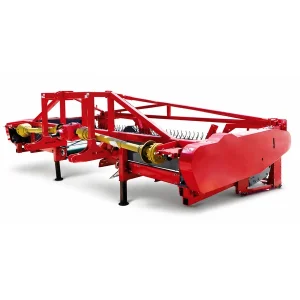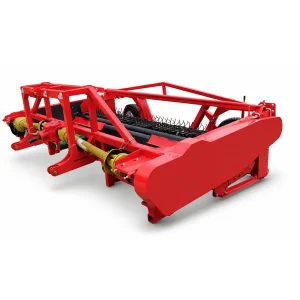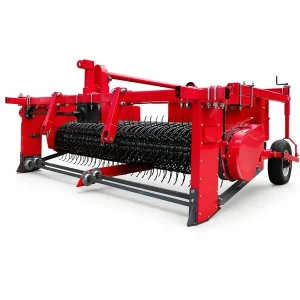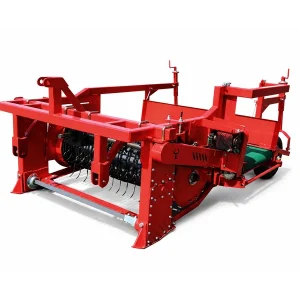
4BYQ-2.6 Barbunya Hasat Makinesi | 4 Sıralı Önden İtmeli
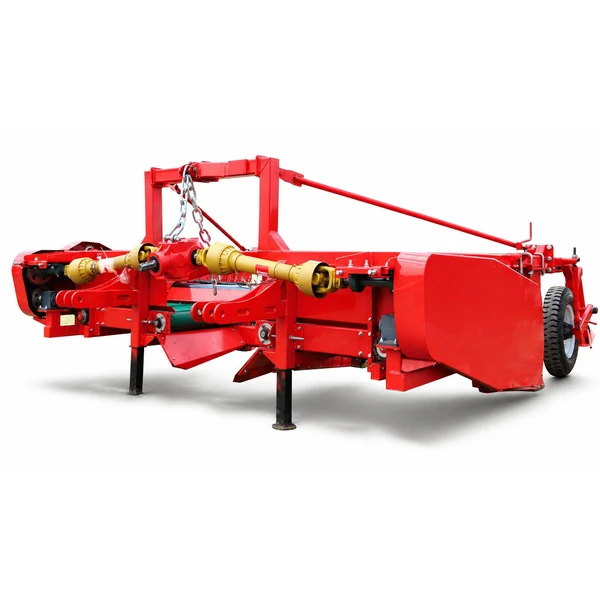
<p style="”font-size:" clamp(15px, 1.6vw + 9px, 17px); line-height: 1.75; margin: 18px 0 24px 0; padding: 22px; background: #f4f1fb; border-left: 5px solid #07023d; border-radius: 4px; word-break: break-word; overflow-wrap: break-word;”>The <strong style="”color:" #07023d;”>The 4BYQ-2.6 barbunya hasat makinesi Bu, ön 3 noktalı askı ve ön PTO'ya sahip traktörler için özel olarak tasarlanmış, dört sıralı, önden monte edilmiş bir fasulye sökme makinesidir. En önemli avantajı operatörün görüş alanıdır: Operatör, arkadan çekilen bir sökme makinesini izlemek için omzunun üzerinden geriye bakmak yerine, sökme makinesinin dişlerinin fasulye sırasına girdiğini doğrudan ön camdan görür. Geometrideki bu tek değişiklik, nemli koşullarda, ıslak tarla köşelerinde ve arkadan monte edilen makinelerin verimlilik kaybettiği düzensiz bakla yüksekliğine sahip ürünlerde ölçülebilir faydalar sağlar. Amerika Birleşik Devletleri genelinde ön PTO'lu Massey, Deere, Case IH, New Holland veya Fendt yardımcı traktörüne yatırım yapmış kuru fasulye yetiştiricileri bu konfigürasyondan en iyi şekilde yararlanır.</p>
Ürün Genel Bakışı
4BYQ-2.6, teknik özelliklerinde arkadan çekmeli kardeşine benzer: 2,6 m çalışma genişliği, 66-88 kW traktör gücü gereksinimi, 6 ila 10 km/sa çalışma hızı ve 1,56 ila 2,6 ha/sa tarla kapasitesi. Değişen şey, montaj geometrisi ve operatörün kaldırma hareketiyle olan ilişkisidir. Red River Vadisi, Saginaw Vadisi, Doğu Idaho ve Dağlık Eyaletlerde 22 inç ve 26 inç sıra aralıklarıyla çalışan barbunya, lacivert, siyah ve küçük kırmızı fasulye yetiştiricileri, daha önce arkadan çekmeli makinelerle mücadele ettikleri tarlalarda önden itmeli konfigürasyonda sürekli olarak daha temiz kaldırma kalitesi bildirmektedirler. 4BYQ-2.6 barbunya hasat makinesi ayrıca verimli bir iş akışı seçeneği de sunar: operatör, aynı traktörde aynı anda arkaya monte edilmiş bir ataşman çalıştırabilir ve hem kaldırma hem de takip geçişi gerektiren işlemlerde tarla kullanımını ikiye katlayabilir.
American Ever-Power Silage Baler Equipment INC., 4BYQ-2.6 modelini Sacramento, Kaliforniya'daki 1401 21st Street adresindeki deposundan gönderiyor. ABD'nin 48 eyaletinin tamamında aynı hafta içinde parça temini sağlanırken, Kanada ve Meksika'daki alıcılar için USMCA evrak desteği de sunuluyor. Sipariş teslim süresi iki ila dört hafta arasında değişiyor ve ABD'deki alıcıların çoğu, ürünü bir bayiye göndermek yerine kapıdan kapıya teslimat seçeneğini tercih ediyor.
Teknik Özellikler
Aşağıdaki teknik özellikler, resmi fabrika kabul testinden birebir alınmıştır; uygun yerlerde sağ sütunda ABD emperyal ölçü birimlerine dönüştürmeler eklenmiştir. Çalışma genişliği 2,6 m olarak sabitlenmiştir ve bu da dört adet 22 inçlik veya dört adet 26 inçlik sıraya karşılık gelir. Traktör gücü 66 ile 88 kW arasında değişir, bu da yaklaşık 90 ile 120 beygir gücüne denk gelir. PTO hızı, Kuzey Amerika standardı olan 540 RPM'dir. 4BYQ-2.6 traktörün ön tarafına monte edildiğinden, bunun ön PTO hızı olduğunu, arka PTO hızı olmadığını unutmayın.
Tarla kapasitesi saatte 1,56 ila 2,6 hektar, yani saatte 3,85 ila 6,4 dönümdür. Net ağırlığı 1100 kg'dır (2425 lb), bu da arka ağırlıklarla donatılmış 90 HP ve üzeri herhangi bir yardımcı traktörün ön aks balast kapasitesi dahilindedir. Öne monte edilen ekipmanlara yeni başlayan operatörler, sipariş vermeden önce traktör kılavuzundaki ön aks ağırlık kapasitesini doğrulamalıdır. 100 HP'nin üzerindeki çoğu modern yardımcı traktör, ön üç noktalı askı sisteminde 1100 kg'lık yükü rahatlıkla taşıyabilir.
| # | Öğe | Birim | Özellikler |
|---|---|---|---|
| 1 | Model | / | 4BYQ-2.6 Barbunya Hasat Makinesi |
| 2 | Bağlantı tipi | / | Önden 3 noktadan monte edilmiş (itme) |
| 3 | Alma mekanizması | / | Yay dişli |
| 4 | Çalışma genişliği | M | 2,6 (≈ 8,5 ft) |
| 5 | Güç gereksinimi | kW | 66 – 88 (≈ 90 – 120 HP) |
| 6 | Çalışma hızı | km/sa | 6 – 10 (≈ 3,7 – 6,2 mil/saat) |
| 7 | Genel boyutlar (U×G×Y) | mm | 2333 × 2870 × 1182 |
| 8 | PTO hızı | r/dakika | 540 (ön PTO) |
| 9 | Pist genişliği | mm | 2600 (≈ 8,5 ft) |
| 10 | Saha kapasitesi | ha/h | 1,56 – 2,6 (≈ 3,85 – 6,4 ac/saat) |
| 11 | Operatörler | kişi | 1 |
| 12 | Net ağırlığı | kilogram | 1100 (≈ 2425 lb) |
Her bir 4BYQ-2.6 fasulye hasat makinesi, Sacramento deposundan ön PTO tahrik mili standart kategori IV spline'lara önceden takılmış olarak, alet setinde iki yedek kaldırma dişi, Amerikan 3/8 inç ISO bağlantı elemanlı hidrolik hortumlar ve hem N·m hem de ft-lb cinsinden tork tablolarını içeren İngilizce bir kullanım kılavuzu ile birlikte sevk edilir. Avrupa spesifikasyonlu ön PTO'lar (1000 RPM, alternatif spline desenleri) kullanan alıcılar, tahrik milinin paketlemeden önce yapılandırılabilmesi için siparişte bunu belirtmelidir. Fiyat teklifleri ABD doları cinsinden EXW Sacramento olarak düzenlenir ve ABD'deki herhangi bir posta koduna kapıdan kapıya nakliye ayrı bir kalem olarak eklenir.
Önden İtme Kaldırma Mekanizması Nasıl Çalışır?
4BYQ-2.6, arkadan çekmeli fasulye hasat makinesiyle aynı üç koordineli aşamada çalışır: kaldırma, taşıma, sıra oluşturma; ancak operatör-makine ilişkisi temelde farklıdır. Traktör ileri doğru hareket ederken, yaylı dişli toplama silindiri, operatörün görüş alanında doğrudan fasulye sırasının altında döner. Diş derinliği, ölçüm tekerleklerinde ayarlanır ve kabinden tek bir SCV aracılığıyla hidrolik olarak ayarlanır. Operatör, kaldırıcıyla karşılaşmadan önce bakla yüksekliğindeki her değişikliği, her ıslak bölgeyi ve her taşı görür ve geriye bakmak için başını uzatmasına gerek kalmadan gerçek zamanlı olarak tepki verebilir.
Kaldırma işleminden sonra, bitki materyali çelik bantlı bir konveyör üzerinde geriye doğru taşınır. Konveyör hızı, ön PTO'dan 540 RPM'de tahrik edilen sabit oranlı bir konik dişli kutusu aracılığıyla zemin hızına senkronize edilir. Senkronizasyon, 6 ila 10 km/saat arasındaki tüm çalışma aralığı boyunca korunur, böylece traktör ıslak bir virajdan yavaşça geçerken veya kuru bir düzlükte son hızla giderken bile fasulyeler düzgün aralıklarla sıraya ulaşır. Operatörün, tarlalar arasında hız değiştiğinde konveyörün zamanlamasını yeniden ayarlamasına gerek yoktur; bu da arkadan çekmeli ünitelerde sıra düzensizliğinin en yaygın nedenlerinden birini ortadan kaldırır.
Üçüncü aşama, sıra oluşturma işlemidir. Konveyör, bitkileri hasat makinesinin arkasına ancak traktör tekerleklerinin önüne boşaltarak, traktörün üzerinden geçerken üzerine bindiği tek ve düzgün bir sıra oluşturur. Bu geometrinin iki pratik sonucu vardır: traktör asla sıranın üzerinden geçmez ve operatör, dikiz aynalarından kaldırıcının arkasında oluşan bitmiş sırayı görür. Hem arkadan çekmeli hem de önden itmeli konfigürasyonları kullanan operatörler, önden itmeli 4BYQ-2.6 fasulye hasat makinesini uzun vardiyalarda sürmenin daha kolay olduğunu, çünkü gözün sürekli olarak ön cam ile arka cam arasında dönmesine gerek kalmadığını sürekli olarak belirtmektedirler.
Öne Monte Edilen Güç Aktarma Sistemi Bileşenleri
- ⚙ Ön 540 RPM PTO tahrik mili, kategori IV kamalı giriş
- ⚙ Sızdırmaz yağ banyolu konik dişli kutusu, 5000 saat servis aralığı
- ⚙ Ön 3 noktalı bağlantı elemanı, Kategori II uyumlu
- ⚙ Tek bir ön SCV tarafından kontrol edilen hidrolik derinlik kontrol silindiri.
- ⚙ Yağlanabilir burçlu, 10 mm'lik artışlarla yükseklik ayarı yapılabilen ölçüm tekerlekleri.
Öne Monte Edilen Tasarımın Temel Avantajları
4BYQ-2.6, arkadan çekmeli 4BYH-2.6'nın tüm yapısal ve malzeme avantajlarını miras alırken, önden monte edilen bir ekipmanın benzersiz operasyonel avantajlarını da ekliyor. Altı mühendislik seçeneği sahada öne çıkıyor ve her biri, daha küçük alanlarda çift makineyle veya tek traktörle hasat yapan ABD'li kuru fasulye yetiştiricilerinden gelen geri bildirimlerle şekilleniyor.
Doğrudan Sıra Görünürlüğü
Operatör, kaldırma dişleri sıraya girerken doğrudan aşağıya, aşağıya doğru bakar. Atlanan bitkiler, kaçırılan baklalar ve derinlik hataları hasat denkleminden ortadan kalkar.
Islak Saha Tepki Süresi
Ön camdan alçak bir nokta veya çamurlu bir alan fark edin ve oraya ulaşmadan önce biçerdöveri kaldırın. Arkadan çekmeli üniteler, operatör sorunu görmeden önce kaldırma işlemini gerçekleştirir.
Tandem Operasyonları
Arkadaki 3 noktalı bağlantı, saman tırmığı, artık yönetim makinesi veya tohum ekme makinesi için boş kalır. Özel hasat sözleşmelerinde çalışan operatörler genellikle sıra halindeki otları hemen arkasına parmaklı tekerlekli bir tırmık takarlar.
Traktör asla ot yığınını ezmez.
Kaldırma mekanizmasının arkasında bir yığın oluşuyor ve traktör bunun üzerinden sorunsuz bir şekilde geçiyor. Lastik izinde hasar yok, kırık saman kovanı yok, ertesi öğleden sonra biçerdöverin toplama işleminde duraksama yok.
Operatör Yorgunluğunun Azaltılması
Sürekli arka camdan bakmak yerine ön camdan ileriye doğru bakmak. Uzun sonbahar hasat vardiyaları fiziksel olarak yorucu olmak yerine gerçekten sürdürülebilir hale geliyor.
Sacramento Parça Tedarik Zinciri
Kaldırma dişleri, konveyör segmentleri, sızdırmaz rulmanlar ve ön PTO bileşenleri, ABD'nin 48 eyaleti içinde aynı hafta içinde gönderilmek üzere Kaliforniya'da stoklanmaktadır.
Öne Montaj mı, Arkaya Montaj mı: Pinto ve Navy Beans İçin Neden Önemli?
Pinto ve beyaz fasulye çeşitleri, en alçak baklalarını toprak seviyesinin 12 ila 25 cm üzerinde oluşturma eğilimindedir. Bu, arkadan çekmeli makinelerin en büyük görüş dezavantajını yaşadığı yüksekliktir. Operatör, ünite geçene ve sıra oluşana kadar tek bir dişin alçak bir baklayı kaçırıp kaçırmadığını göremez. Önden itmeli 4BYQ-2.6 barbunya hasat makinesiyle bu hata asla olmaz. Operatör her dişin temasını görür ve anında ayarlama yapar. Saginaw Vadisi ve Snake Nehri Ovası'ndaki yetiştiriciler tarafından bildirilen yan yana denemelerde, önden itmeli konfigürasyon, düşük bakla oluşumuna sahip pinto ve beyaz fasulye çeşitlerinde, daha az bakla geride kaldığı için, dönüm başına pazarlanabilir verimde %1,2 ila %2,8 oranında ek bir artış sağlamıştır.
Yapı, Malzemeler ve İnşaat Kalitesi
4BYQ-2.6 çerçevesi, ASTM A572 Grade 50'nin metrik karşılığı olan ve 345 MPa (50 ksi) akma dayanımına sahip Q345B yapısal çelikten imal edilmiştir. Ana A-çerçevede plaka kalınlığı 8 mm, alt çerçevede ise 6 mm'dir ve çapraz elemanlar, engebeli zeminde burulma yüklerine karşı koymak için kapalı kesitli kirişler halinde katlanmıştır. Öne monte edilen ekipmanlar, arkadan çekilen ünitelerden biraz farklı bir vektörden yük alır; traktör yükü sürüklemek yerine iter. Bu nedenle, öne monte edilen A-çerçeve, derinlik değişiklikleri sırasında sıkıştırma döngülerini karşılamak için üst bağlantı noktalarında güçlendirilmiş bir destek deseni kullanır.
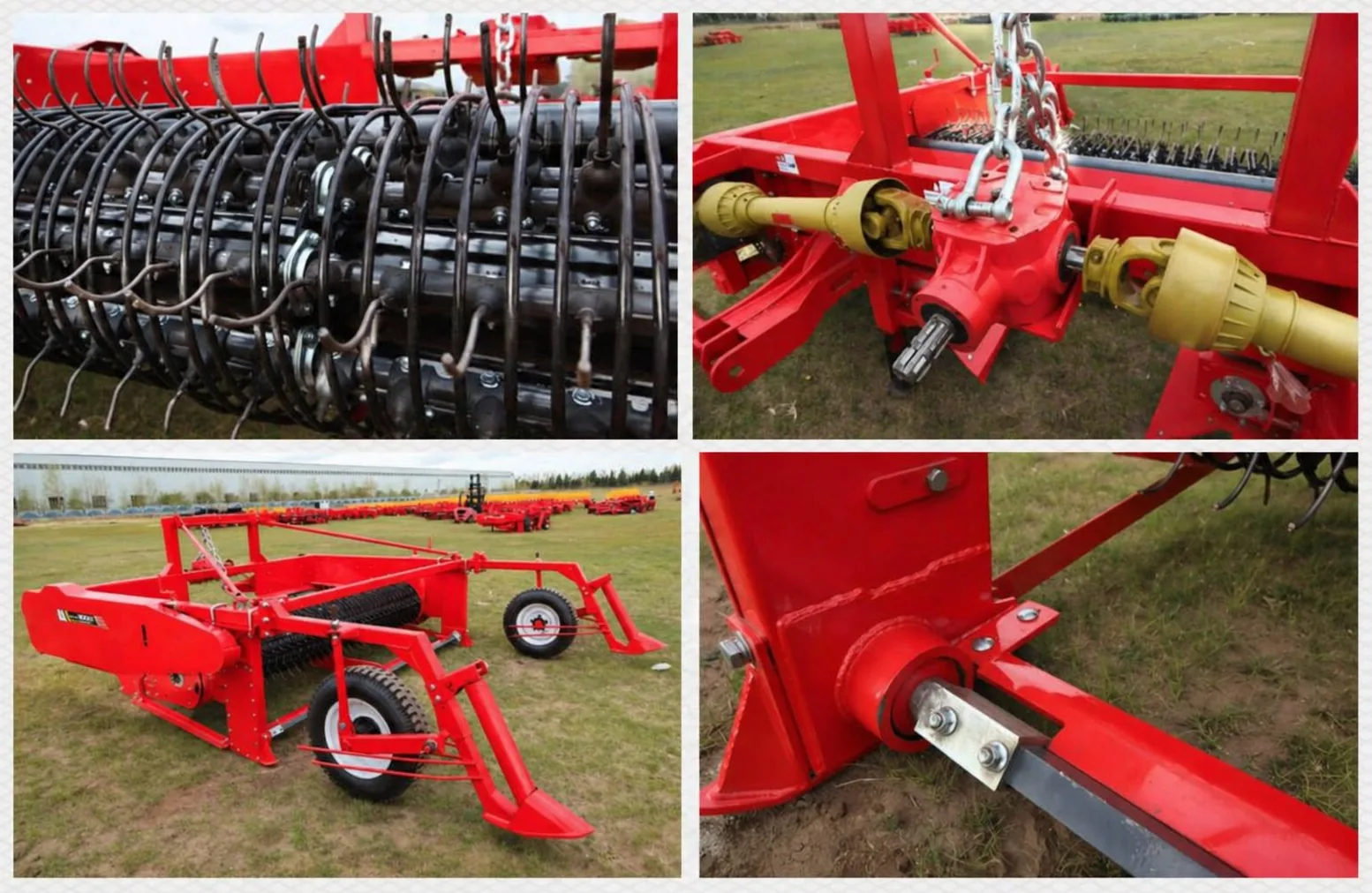
Kaldırıcı dişler, HRC 48-52 sertliğine kadar ısıl işlem görmüş dövme yay çeliğinden yapılmıştır ve M14 sınıf 10.9 bağlantı elemanlarıyla cıvatalanmıştır, böylece hasar görmüş bir diş, kaynak makinesi veya pres kullanılmadan sahada değiştirilebilir. Konveyör bandı, saha kenarında gresörlük bulunan sızdırmaz yağlanabilir rulmanlar üzerinde çalışır ve gerdirme işlemi, yaylı makaralar kullanılarak yapılır, böylece sezon boyunca bant esnemesi otomatik olarak düzeltilir. Yük taşıyan bağlantılardaki kaynaklar, ER70S-6 teli ile otomatik MAG hücrelerinden alınır ve her üretim partisinden %5'lik bir ultrasonik test numunesi alınır.
Dış yüzey kaplaması, her Ever-Power makinesinde uygulanan aynı iki aşamalı sistemdir: çinko açısından zengin bir astar ve ardından elektrostatik toz boya. Tuz püskürtme testi, gözle görülür bir kaplama bozulması olmadan 600 saate kadar dayanır; bu da tuzla işlem görmüş yol koşullarında yaklaşık beş hasat mevsimine karşılık gelir. 4BYQ-2.6'nın tamamı ortak fabrikada monte edilir ve basınç testinden geçirilir, ardından alıcıya gönderilmeden önce Sacramento deposunda tekrar kontrol edilir. Her bir ünite, şirketin izlenebilir seri numaralı test kaydına sahiptir. Sacramento üretim tesisi Garanti ve yedek parça amaçlıdır.
Ön 3 noktalı bağlantı elemanı hakkında bir not: Cat-II hızlı bağlantı alıcısı, kaynaklı bir parça yerine tek bir CNC işlenmiş dökümden üretilmiştir; bu da üniteler arasında tutarlı bir geometri sağlar ve binlerce takma-çıkarma döngüsünden sonra kaynaklı bağlantı elemanlarında ortaya çıkan deformasyon sorunlarını ortadan kaldırır. Döküm ayrıca, 4BYQ-2.6 fasulye hasat makinesinin dinamik yüklerini üst bağlantı kolu üzerinden esnemeden taşır, böylece derinlik kontrolü uzun bir hasat günü boyunca hassas kalır. Tozlu koşullarda çalışan alıcılar bazen, bağlantı pivotu üzerine isteğe bağlı toz kalkanını belirtirler; bu da ürün kalemine yaklaşık 180 ABD doları ekler ancak pivot burcunun ömrünü belgelenmiş ila oranında uzatır.
Tipik Uygulama Senaryoları
4BYQ-2.6, ön montaj geometrisinin ölçülebilir bir avantaj sağladığı üç operasyonel bağlamda en çok kullanılmaktadır: ıslak tarla hasadı, çift makine iş akışları ve düzensiz bakla yüksekliğine sahip ürünler. Her senaryo, tipik tarla kurulumu ve traktör konfigürasyonu ile aşağıda açıklanmıştır.
Kuzey Ovalarında Islak Tarla Hasadı
Kuzey Dakota ve Minnesota'da sonbahar fırtınaları geçerken, geç sezon pinto ve lacivert renkli ağaç hasadı sıklıkla ıslak alanlarla karşılaşır. Arkadan çekmeli biçerdöver operatörleri zor bir seçimle karşı karşıyadır: erken kaldırmak ve toprak verimliliğini kaybetmek veya kaldırma işlemine devam etmek ve çamurlu alan geldiğinde biçerdöverin tıkanma riskini almak. 4BYQ-2.6 önden montajlı geometri bu seçimi ortadan kaldırır. Operatör ıslak alanı on beş metre ötede görür, biçerdöveri ona ulaşmadan kaldırır ve kuru taraftan sıraya geri indirir. Cavalier ve Pembina ilçelerindeki pinto yetiştiricileri, aksi takdirde tamamen kapanmaya zorlayacak olan zorlu hava koşullarında hasadı devam ettirmek için bu tekniği kullanmıştır.
Çift Makineli Özel Hasat Operasyonları
Tek bir traktörde birden fazla ünite çalıştıran özel hasat müteahhitleri, 4BYQ-2.6'dan en ekonomik değeri elde ederler. Ön 3 noktalı bağlantı fasulye sökücüyü taşırken, arka 3 noktalı bağlantı parmak tekerlekli tırmık veya sap parçalayıcı için boş bırakıldığından, tek bir traktör geçişi, aksi takdirde iki sefer gerektirecek iki işlemi gerçekleştirir. Wyoming'deki Goshen County ve Colorado'daki Larimer County müteahhitleri, bu eşleştirilmiş iş akışını kullanarak, ayrı ön montajlı ve arka çekmeli geçişlere kıyasla dönüm başına yakıt tüketiminde ila oranında azalma bildirdiler.
Idaho ve Magic Valley Nohut Tarlaları
Doğu Idaho'da 22 inç sıra aralığıyla çalışan nohut ve fasulye yetiştiricileri, 4BYQ-2.6 barbunya hasat makinesinin doğrudan görüş avantajını takdir ediyor. Nohut bakla yüksekliği, kuru fasulye bakla yüksekliğinden daha fazla bitki arasında değişkenlik gösterir ve arkadan çekmeli operatör, tarladaki kaldırma derinliğini etkili bir şekilde ortalama alır. Önden itmeli konfigürasyon, operatörün sıra sıra kademeli derinlik düzeltmeleri yapmasına ve aksi takdirde toprağa değil de asansöre gidecek olan daha düşük baklaların daha fazlasını toplamasına olanak tanır. Patatesle dönüşümlü ekim yapan işletmeler genellikle 4BYQ-2.6'yı şirketin diğer ürünleriyle birlikte kullanır. parmak tekerlekli saman tırmığı Biçerdöverin toplama işleminden önce tarladaki ot yığınlarını düzeltmek için.
Beden ve Seçim Kılavuzu
Önden itmeli 4BYQ-2.6 ve arkadan çekmeli 4BYH-2.6 arasında seçim yapmak pratik bir soruya indirgeniyor: Traktörünüzde ön 3 noktalı askı ve ön PTO var mı? Eğer varsa, 4BYQ-2.6 görüş avantajlarını ve çift makine iş akışını sunar. Yoksa, arkadan çekmeli konfigürasyon doğru seçimdir. Ön 3 noktalı askı ve ön PTO'yu olmayan bir traktöre sonradan takmak teknik olarak mümkün olsa da, traktörün önümüzdeki birkaç sezonda birden fazla ekipmanla çift makine kullanımı görmeyeceği sürece nadiren maliyet açısından verimlidir.
- Ön 3 noktalı bağlantı: Minimum Kategori II. Massey 7700 serisi, Deere 6R, Case Maxxum, NH T6 ve Fendt 700 serisindeki çoğu fabrika çıkışlı ön bağlantı aparatı, kutudan çıktığı gibi kullanıma uygundur.
- Ön PTO: 540 RPM. Bazı traktörlerde fabrika çıkışlı 1000 RPM ön PTO bulunur; bu, teslimattan önce tahrik mili değişimini gerektirir.
- Traktör gücü: PTO'da minimum 90 HP. Yoğun ağaçlık alanlarda tam kapasite çalışma için 110-120 HP önerilir.
- Ön aks derecelendirmesi: Traktör kullanım kılavuzunda doğrulayın. 4BYQ-2.6'nın 1100 kg net ağırlığı artı dinamik yük, ön aks limitinin altında kalmalıdır.
- Ön SCV: Derinlik kontrol silindiri için en az bir adet tek etkili ön SCV bulunur. İki SCV ise anlık ayarlamaya olanak tanır.
- Sıra aralığı: 22 ila 26 inç arası doğrudan kullanıma uygundur. 30 inçlik sıralar, 4 sıralı 2,6 m geometrisine uymamaktadır.
Fabrika çıkışlı ön PTO seçeneğine sahip yaygın ABD hizmet traktörleri için beş dakikalık kontrol listesi: Massey Ferguson 7720/7724 (ön PTO seçeneğiyle), John Deere 6155R/6175R (H480 yükleyici çerçevesi çıkarılmış ve ön PTO seçeneğiyle), Case IH Maxxum 145/150 (ön PTO seçeneğiyle), New Holland T6.180 (ön PTO seçeneğiyle), Fendt 716/718/720 (fabrika çıkışlı ön PTO ile). 100-150 HP sınıfındaki diğer traktörlerin çoğu Massey, Deere, NH veya Case bayilerinde sonradan takılabilir, ancak ön bağlantı ve PTO'nun birlikte maliyeti genellikle 8.000 ila 14.000 ABD doları arasındadır. Ön itmeli 4 sıralı fasulye çekiciyi birincil kaldırıcı olarak kullanmayı planlayan alıcılar, sipariş vermeden önce traktör uyumluluğunu doğrulamalıdır.
Pickett, Elmer's ve Tonutti ile Karşılaştırmamız Nasıl?
Yasal Uyarı: American Ever-Power Silage Baler Equipment INC., Pickett Equipment, Elmer's Manufacturing veya Tonutti ile bağlantılı değildir ve 4BYQ-2.6 barbunya hasat makinesi, bu firmaların ürünlerinin sahtesi değildir. Aşağıdaki karşılaştırma, Amerikalı alıcıların kuru fasulye hasat işlemleri için doğru makineyi seçmelerine yardımcı olmak amacıyla sunulmuştur. Önden monte edilen fasulye hasat makinesi seçenekleri, arkadan çekmeli pazara göre daha sınırlıdır, bu nedenle karşılaştırma, mevcut olan doğrudan önden monte edilen alternatiflere odaklanmaktadır.
| Özel | 4BYQ-2.6 (Ever-Power) | Pickett Ön Montajlı | Elmer's HMC Ön Cephesi | Tonutti 4 Sıralı |
|---|---|---|---|---|
| Montaj tipi | Ön 3 sayı | Ön 3 sayı | Ön 3 sayı | Sadece arkadan çekmeli |
| Çalışma genişliği | 2,6 m | 2,7 m | 2,6 m | 2,5 m |
| Traktör gücü | 66-88 kW | 75-95 kW | 70-90 kW | 65-85 kW |
| Net ağırlığı | 1100 kg | 1480 kg | 1420 kg | 1200 kg |
| Saha kapasitesi | 1,56-2,6 ha/saat | 1,8-2,7 ha/saat | 1,7-2,6 ha/saat | 1,5-2,4 ha/saat |
| Operatör görünürlüğü | Doğrudan (ön) | Doğrudan (ön) | Doğrudan (ön) | Arka ayna, sadece |
| ABD parça tedarik zinciri | Sacramento aynı hafta | Burley, ID bayi ağı | CA / MB bayileri | İtalya + ABD distribütörü |
| Tipik fiyat kademesi | Değer | Premium | Premium | Orta seviye |
Pickett ve Elmer'ın birinci sınıf önden montajlı makineleri, Idaho, Washington ve Manitoba'da bayi yoğunluğu açısından öne çıkıyor ve fasulye kuşağı içinde ikinci el değerini güçlü bir şekilde koruyor. 4BYQ-2.6, ağırlık (Pickett'ten 380 kg daha hafif, daha küçük traktörlerde ön aks yatakları için daha kolay), Batı Kıyısı'na nakliye maliyeti ve bayi takası kolaylığına ihtiyaç duymayan alıcılar için dönüm başına verimlilik açısından öne çıkıyor. Tonutti, eksiksiz olması için dahil edilmiştir, ancak Tonutti'nin Kuzey Amerika önden montajlı seçeneğinin sınırlı olduğunu unutmayın; ana 4 sıralı modeli arkadan çekmeli modeldir.
Alıcıların 4BYQ-2.6'yı kendi ürün gamımızdaki eşdeğer arka çekmeli 4 sıralı modelle karşılaştırırken sıkça sorduğu bir soru şudur: Fiyatlandırma iki konfigürasyon arasında esasen aynıdır. Seçim, bütçeye değil, traktör uyumluluğuna ve operatör tercihine bağlıdır. Daha geniş genişliklere geçmeyi düşünen işletmeler, aynı serideki daha geniş 5 sıralı fasulye hasat makinesine bakmalıdır; bu makine yalnızca 2,6 m'den daha geniş alanlarda arka çekmeli konfigürasyonda mevcuttur.
Kalite Sertifikaları ve Hizmet Taahhüdü

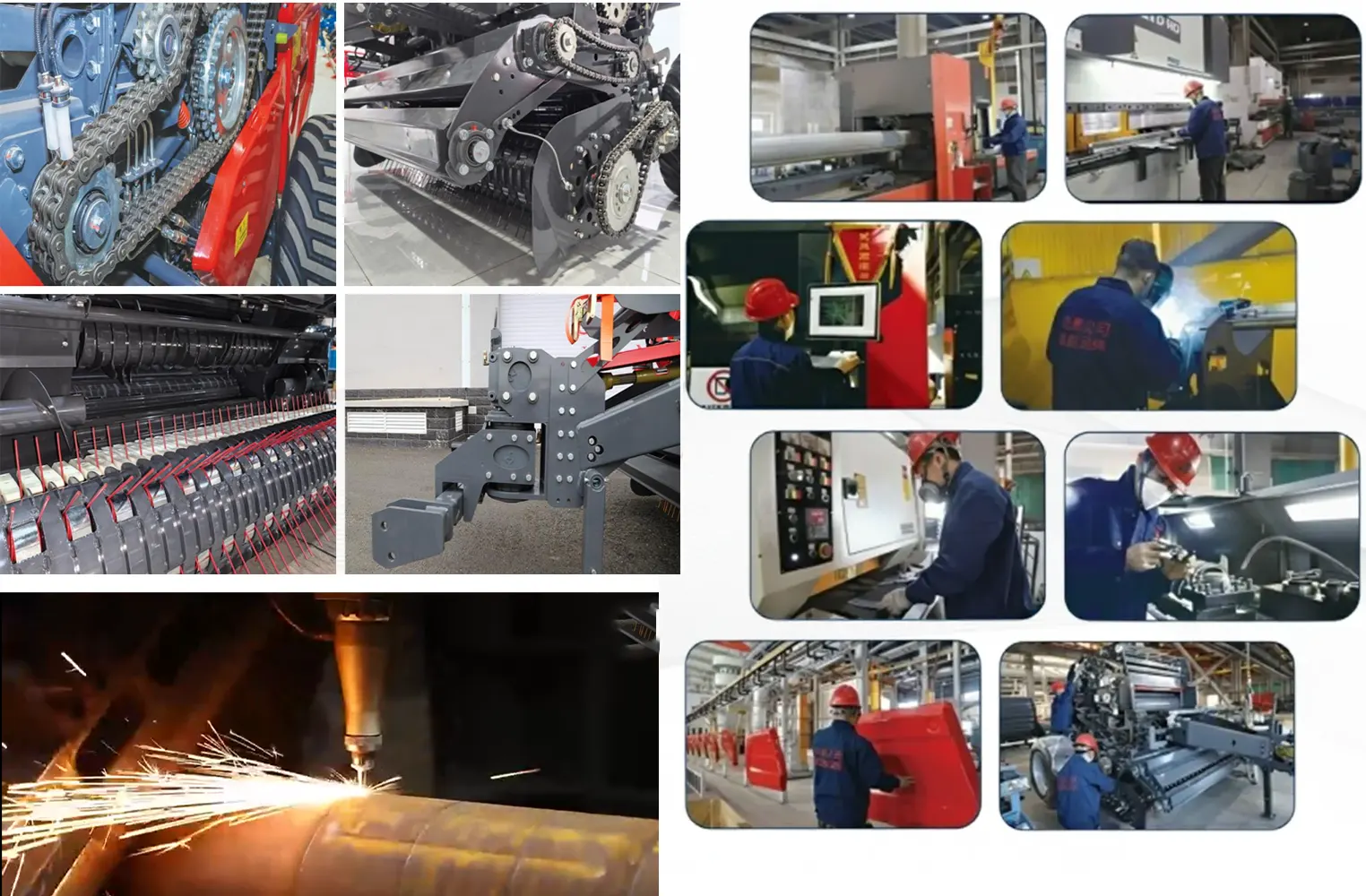
4BYQ-2.6, ISO 9001 kalite yönetim sistemi altında üretilmiştir ve çerçeve kaynağı, rulman montajı, konveyör ön gerilimi, ön PTO tahrik mili dengelemesi ve sevkiyat öncesi fonksiyonel test gibi belgelenmiş denetim noktalarına sahiptir. Her bir ünite, üretim partisi test kaydına bağlı benzersiz bir seri numarası taşır. Bu nedenle, herhangi bir saha garanti vakası, dakikalar içinde belirli üretim girdilerine kadar izlenebilir. Sistem 2023 yılından beri yıllık olarak denetlenmektedir ve sertifika yukarıda gösterilmiştir.
Satış sözleşmesine servis taahhütleri de eklenmiştir: şasi için iki yıllık sınırlı garanti, güç aktarma sistemi için bir yıllık garanti, Sacramento'dan parça sevkiyatı ve beş veya daha fazla ünite siparişlerinde yerinde servis desteği. Saha mühendisleri İngilizce konuşmaktadır ve Kaliforniya'da bulunmaktadır; telefon desteği, Ağustos-Kasım hasat sezonu boyunca hafta içi Pasifik Saatiyle 07:00-18:00 ve Cumartesi günleri 08:00-13:00 saatleri arasında verilmektedir. Kaldırma dişleri, konveyör segmentleri, sızdırmaz rulmanlar ve ön PTO tahrik mili, ABD'deki aktif 4BYQ-2.6 fasulye hasat makinesi filosunda beklenen aşınmayı en az bir hasat sezonu boyunca karşılayacak sayıda stokta bulunmaktadır.
Garanti kapsamının ötesinde, şirket, Sacramento'dan son 4BYQ-2.6 sevkiyatından sonra yedi hasat sezonu boyunca parça bulunabilirliği taahhüdünü sürdürmektedir. Bu, kaldırıcı dişleri, konveyör segmentleri, sızdırmaz rulmanlar ve şanzıman iç parçalarının en az yedi sezon boyunca stokta bulunacağı veya talep üzerine üretilebileceği anlamına gelir; çoğu ürün kalemi, fabrika kalıp ömrüne bağlı olarak bundan sonra da mevcut olmaya devam edecektir. Kaliforniya, Idaho, Colorado, Kuzey Dakota ve Michigan'da bölgesel servis ortakları bulunmaktadır ve her ortak, hasat sezonu başlamadan önce her bahar Sacramento tesisinde ön montajlı servis kılavuzu konusunda eğitim almaktadır.

4BYQ-2.6 modeli, 53 fitlik kuru yük kamyonuna uygun boyutlarda, çelik bantlı ahşap kızaklarla paketlenir ve genellikle ABD'nin 48 eyaleti içinde kapıdan kapıya teslimat için tek parça halinde gönderilir. Kanada eyaletlerine ve Kuzey Meksika'ya yapılan sınır ötesi gönderilerde de aynı sandık formatı, USMCA evrakları ve menşe belgesi ile birlikte kullanılır. Alaska ve Hawaii'deki alıcılar, genellikle iki kişi için dört saatlik bir tezgah işi olan, belgelenmiş bir yeniden montaj kılavuzu içeren demonte bir sandık alırlar. Taşıma sırasında sigorta, ek bir ücret ödemeden nakliye fiyatına dahildir ve herhangi bir taşıma hasarı belgelenir ve on iş günü içinde Sacramento stokundan değiştirilir.
Önden Montajlı Kahve Çekirdeği İşlemleri İçin Yardımcı Ekipmanlar
Önden monte edilen fasulye biçme makineleri, genellikle aynı traktörde arkaya monte edilen bir makineyle birlikte çalıştırılır; bu, modern kuru fasulye hasadında en verimli iş akışı modellerinden biridir. Çiftçinin aynı tarla geçişinde yem bitkisi, artık bitki kalıntısı veya tohum yatağı hazırlığı yapıp yapmadığına bağlı olarak, 4BYQ-2.6 ile birlikte genellikle üç yardımcı makine sipariş edilir.
Ön tarafa monte edilmiş 4BYQ-2.6'nın hemen arkasındaki sıraları düzeltmek için, şirketin 9LZ-6.0 parmak tekerlekli saman tırmığı, arka 3 noktalı bağlantıya popüler bir eşleşmedir. Kalıntı yönetimi veya yataklık satışları için sapları birleştirmek isteyen işletmeler için, 9YG-1.0 gibi küçük bir traktör yuvarlak balya makinesi, daha küçük bir yardımcı traktörün fasulye sökücüsünün arkasına takılabilir. Çoklu makine iş akışları yürüten özel hasat yüklenicileri, filo esnekliği için genellikle 4BYQ-2.6'yı arkadan çekilen 4BYH-2.6 ile birlikte sipariş ederler, çünkü iki ünite Sacramento deposunda parça envanterini paylaşır.
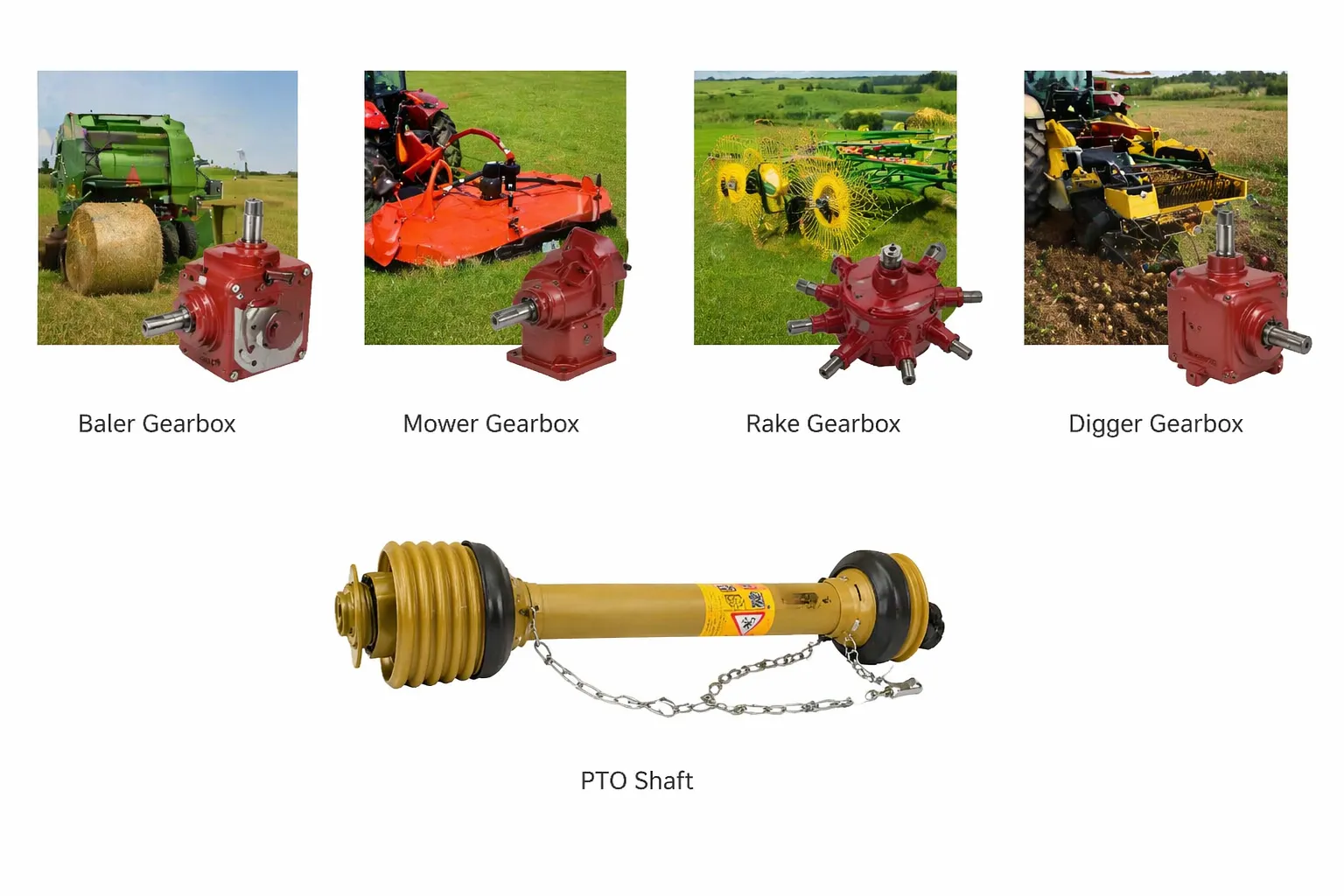
Ön PTO'su olmayan bir traktöre sonradan PTO takacak operatörlerin, uygun bir parçaya ihtiyacı olacaktır. traktör PTO şanzımanı İş ortağı ağından temin edilir. 4BYQ-2.6, standart kategori IV ön PTO tahrik mili önceden takılı olarak gönderilir, ancak ön PTO hızı 540 RPM'den farklıysa veya dişli deseni standart değilse, traktör ile ekipman arasına yerleştirilen küçük bir konik dişli kutusu dönüşümü sorunsuz bir şekilde gerçekleştirir. Sipariş numaraları, dişli desenleri ve tork değerleri, yerleştirmeden önce Sacramento masasında onaylanır.
Çift makine iş akışı kullanan ciddi kuru fasulye üreticileri için tipik bir paket, önde 3 noktalı bağlantıya sahip 4BYQ-2.6 barbunya hasat makinesi, arkada 3 noktalı bağlantıya sahip parmak tekerlekli tırmık ve ikinci geçişte sap toplama için arkaya çekilen küçük bir yuvarlak balya makinesi içerir. Sap toplama, barbunya ve lacivert fasulye rotasyonlarında önemli bir gelir kaynağı haline gelmiştir: balyalanmış saplar, yerel talebe bağlı olarak kuru madde tonu başına $20 ile $35 arasında değişen fiyatlarla yataklık ve erozyon kontrolü pazarlarına satılmaktadır. Zaten bir yem tırmığı ve balya makinesi kullanan işletmeler, 4BYQ-2.6'yı mevcut ekipman filosuna kolayca ekleyebilirler. Tüm kuru fasulye ekipman paketini planlayan yeni alıcılar, üç makinenin tamamını tek bir sevkiyatta kapsayan paket bir nakliye teklifi isteyebilirler.
200 mil yarıçapında birden fazla fasulye tarlası işleten özel hasat müteahhitleri, genellikle 4BYQ-2.6'yı arkadan çekmeli 4BYH-2.6 kullanan ikinci bir traktörle eşleştirerek, müteahhide her müşterinin traktör filosuna uygun konfigürasyonu kullanma esnekliği sağlar. İki ünite arasında paylaşılan yedek parça stoğu, filo operatörleri için yedek parça maliyetini düşük tutar ve Sacramento destek ekibi, üç veya daha fazla adetlik siparişlerde indirimli kalem fiyatlandırmasıyla filo düzeyindeki siparişleri yönetir.
Neden America Ever-Power Silage Bale Makinesi Ekipmanları A.Ş.'yi Seçmelisiniz?
Tekrarlayan alıcı anketlerinde sürekli olarak ortaya çıkan beş pratik neden var ve bunların hepsinde aynı tema işleniyor: Amerika'da depolanan, Amerika tarafından desteklenen bir tedarik zinciri ve dünya çapında 4000'den fazla fasulye ve yem birimi sevk eden bir fabrika mühendisliği kültürü.
- ✔ 1401 21st Street, Sacramento, CA: ABD'nin 48 eyaleti içinde aynı hafta içinde parça gönderimi, hasat acil durumları için iki günlük hava kargo seçeneği mevcuttur.
- ✔ 2023'ten beri ISO 9001 sertifikasına sahip; fasulye hasat ekipmanlarında sıfır geri çağırma kaydıyla belgelenmiş, AAA dereceli tedarikçi.
- ✔ Fabrikadan doğrudan satış fiyatları, nakliye ücreti hariç, genellikle Pickett veya Elmer's'ın benzer yeni ekipman liste fiyatlarının ila altında.
- ✔ Kaliforniya'da bulunan İngilizce konuşan saha mühendisleri; ACH, banka havalesi ve başlıca kredi kartı ödemeleri kabul edilir, faturalar ABD'de düzenlenir.
- ✔ 200'den fazla hassas makine de dahil olmak üzere şirket içi CNC ve kaynak kapasitesi, alışılmadık sıra aralıkları ve boya kodları için kısa süreli özelleştirmeyi desteklemektedir.
- ✔ Önden montaj uzmanlığı: Mühendislik ekibimiz on yılı aşkın süredir önden PTO'lu ekipmanlar üretiyor ve ABD'deki büyük traktör markaları için belgelenmiş uyumluluk tablolarına sahip.
- ✔ Sacramento'da her yıl Şubat ayında düzenlenen fabrika tanıtım etkinliğinde, önden itmeli 4 sıralı fasulye sökme makinesinin uygulamalı gösterimlerinin yanı sıra geniş ürün yelpazesi de sergileniyor.
ABD'deki fasulye yetiştiricilerinin çoğu, ekipman araştırmalarının ilk aşamasını internet üzerinden yapıyor ve ardından telefonla iletişime geçiyor. Sacramento ofisi, bu ikinci adımı hızlı bir şekilde halletmek üzere kurulmuştur: Tipik bir satış öncesi görüşme, traktör uyumluluğu, nakliye, teslim süresi ve aksesuar paketlerini yirmi dakikadan kısa sürede kapsar. Alıcılar, aynı gün 4BYQ-2.6 barbunya hasat makinesi, nakliye, isteğe bağlı yedek parça kiti ve özel boya veya sıra aralığı istekleri için kalem kalem fiyatlandırma içeren yazılı bir PDF fiyat teklifi alırlar. Alıcı imzalamadan önce herhangi bir ek satış baskısı veya sözleşme yoktur.
Tekrarlayan müşteri davranışı, pazarlamadan daha etkili. 2024-2025 döngüsünde önden itmeli 4BYQ-2.6 siparişlerinin yaklaşık 'i, filolarını genişleten mevcut Ever-Power müşterilerinden gelirken, 'si de komşular veya diğer özel hasat yüklenicileri tarafından tavsiye edildi. Bu örüntü önemlidir çünkü kuru fasulye işletmeleri, haberin hızla yayıldığı sıkı topluluklardır. Cavalier County'deki bir tarlada arızalanan bir makine, bir hafta içinde Bay County'de duyulur. Tekrarlayan sipariş oranı, önden itmeli 4 sıralı fasulye sökme makinesinin teknik özellikler sayfasında belirtilenleri yaptığını gösteriyor.
Bu üründe önden montajlı mühendislik deneyimi, çoğu arkadan çekişli ekipmana göre daha büyük önem taşır. Ön PTO tahrik mili dengelemesi, itme yükleri altındaki bağlantı geometrisi ve ön aks ağırlık dağılımı, küçük mühendislik hatalarının büyük saha sorunlarına yol açtığı alanlardır. Ever-Power, on yılı aşkın süredir önden PTO'lu ekipmanlar üretmekte ve ABD'deki büyük traktör markaları için belgelenmiş uyumluluk tablolarına sahiptir. Bu deneyim, dökme bağlantı elemanı, senkronize konveyör tahriki ve Avrupa spesifikasyonlu ön PTO'lar için 540-1000 RPM kademeli düşürme seçeneği gibi ayrıntılarda kendini gösterir.
Sıkça Sorulan Sorular
Traktörümde ön PTO ve ön 3 noktalı askı sistemi var mı?
100 HP'nin üzerindeki çoğu modern yardımcı traktörde fabrika çıkışlı ön PTO seçeneği bulunur. Beş dakikalık bir kontrolle doğrulayın: Massey Ferguson 7700 serisi (ön PTO seçeneğiyle), John Deere 6R serisi (H480 yükleyici çerçevesi çıkarılmış ve ön PTO seçeneğiyle), Case IH Maxxum 145/150 (ön PTO seçeneğiyle), New Holland T6.180 (ön PTO seçeneğiyle), Fendt 716/718/720 (fabrika çıkışlı ön PTO ile). Traktörünüz ön PTO seçeneği olmadan sipariş edildiyse, çoğu bayide sonradan takma maliyeti 8.000 ila 14.000 ABD doları arasındadır.
Ön PTO'mun devir sayısı 540 RPM yerine 1000 RPM olursa ne olur?
Siparişinizde bunu belirtin. Sacramento deposunda, 4BYQ-2.6'nın beklediği 540 RPM giriş devrine 1000 RPM'yi düşürmek için alternatif bir tahrik mili ve kademeli konik dişli kutusu bulunmaktadır. Teslim süresi iki ila dört hafta arasında kalmaktadır, ancak dönüştürme bileşenleri kalem maliyetine eklenir.
4BYQ-2.6 ile arkadan çekişli 4BYH-2.6 arasındaki fark nedir?
Sadece montaj geometrisi. Çalışma genişliği, traktör güç gereksinimi, tarla kapasitesi, net ağırlık ve toplama mekanizması iki ünite arasında aynıdır. 4BYQ-2.6, ön PTO'lu ön 3 noktalı bağlantıya monte edilir; 4BYH-2.6 ise standart arka PTO'lu arka 3 noktalı bağlantıya monte edilir. Traktör konfigürasyonunuza ve operatörün sıra görünürlüğüne olan tercihine göre seçim yapın.
Ön aksım 1100 kg'lık yükü kaldırabilir mi?
100 HP'nin üzerindeki çoğu yardımcı traktörün ön aks kapasitesi 4500 ile 7500 kg arasındadır; bu değerler, 4BYQ-2.6 fasulye hasat makinesinin uyguladığı statik ve dinamik yüklerin çok üzerindedir. Traktörünüzün kullanım kılavuzunda bu kapasiteyi doğrulayın. Traktörünüz 100 HP'nin altındaysa ve ön aks kapasitesi sınırda ise, arkadan çekişli 4BYH-2.6 daha güvenli bir seçimdir.
Arka tarafa takılan bir ekipmanı aynı anda kullanabilir miyim?
Evet, bu, yetiştiricilerin önden itmeli konfigürasyonu seçmelerinin ana nedenlerinden biridir. Yaygın kombinasyonlar arasında arka 3 noktalı bağlantıya takılan parmak tekerlekli tırmık, sap parçalayıcı, kalıntı yönetimi veya tohum ekme makinesi bulunur. Özellikle arka ekipman da SCV'lerden güç çekiyorsa, traktörün hidrolik akışının her iki ekipmanın aynı anda çalışması için yeterli olduğundan emin olun.
Islak saha köşelerinde performansı nasıl?
Önden montajlı geometrinin en büyük avantajı burada ortaya çıkıyor. Operatör, kaldırma mekanizması ıslak bölgeye ulaşmadan çok önce ön camdan ıslak bölgeyi görebiliyor ve dişli silindir yumuşak zemine temas etmeden önce biçerdöveri kaldırabiliyor. Arkadan çekmeli operatörler ise biçerdöver ıslak bölgeye ulaşana kadar bölgeyi göremiyorlar ve bu noktada hazne zaten tıkanmış olabiliyor.
Garanti süresi nedir?
Şasi ve kaynaklı yapı için iki yıl, güç aktarma sistemi (PTO mili, dişli kutusu, konveyör tahriki) için bir yıl garanti verilmektedir. Aşınan parçalar (kaldırıcı dişleri, kayışlar, sızdırmaz rulmanlar) 90 günlük arıza garantisine sahiptir ancak normal aşınmaya karşı garanti kapsamında değildir.
Müşteri Yorumları
ABD'deki kuru fasulye yetiştiricilerinden, fabrika çıkışlı ön PTO'lu traktörlerde 4BYQ-2.6 modelini kullananlara yönelik son geri bildirimler. Gizlilik nedeniyle isimler kısaltılmıştır; tam çalışma referansları Sacramento ofisinden talep üzerine temin edilebilir.
Derek W., Pinto Fasulyesi Üreticisi, Pembina İlçesi, Kuzey Dakota (Ekim 2025)
"Massey 7724'te FH seçeneğiyle kullanıyorum. Görüş avantajı gerçekten büyük. Geçen yıl arkadan çekmeli bir makineyle sürekli boynumu incitiyordum. Bu yıl ön camdan her dişli geçişini görüyorum ve arkamdaki sıra temiz bir şekilde oluşuyor. Üç haftalık hasat, hiç arıza yok. Sacramento'dan beş gün içinde taşa takıldığımda bana yedek bir PTO bağlantı parçası gönderdiler."
Carrie L., Özel Hasat Yüklenicisi, Larimer County, CO (2025 Sonbaharı)
"4BYQ-2.6'yı özellikle çift makine iş akışı için satın aldım. Önden itmeli fasulye sökücü, arkadan parmak tekerlekli tırmık, tek traktör geçişi. Eskiden iki geçişte on beş gün süren tarlayı on günde dört ilçedeki çayır otundan temizledim. Yakıt tüketim saatleri geçen sezona göre yaklaşık yüzde 22 azaldı. Hasat bitmeden hesaplamalar tuttu."
Mateo H., Nohut Yetiştiricisi, Twin Falls İlçesi, ID (2025 Sonbaharı)
"Nohutun bakla yüksekliği kuru fasulyeye göre daha değişkendir. Önden monte edilen sistem, alçak bir bölge gördüğümde sıra sıra derinliği ayarlamama olanak tanıyor. Geçen sezon kullandığım arkadan çekmeli sisteme kıyasla yaklaşık %2 daha fazla pazarlanabilir verim elde ettim. Deere 6R'deki ön PTO zaten mevcuttu, sonradan takma işlemine gerek kalmadı."
Sandra K., Deniz Fasulyesi Üretimi, Bay County, MI (Ekim 2025)
"Saginaw Vadisi'nin kili, nemli bir sabahta arka itmeli bir iticiyi yutabilir. 4BYQ-2.6 ön itmeli itici ile yumuşak noktaları on beş metre ileride görebiliyorum ve üzerlerinden geçebiliyorum. Tıkanma yok, stop etme yok. Üniteyi geçen bahar fabrika çıkışlı ön iticili bir New Holland T6.180'e ekledim. Bu sonbaharda 470 dönüm kuru fasulye ektim, itici dişleri hala orijinallerinde."
Brent G., Siyah Fasulye Üreticisi, Saginaw County, MI (2025 Sonbaharı)
"Önden itmeli sistemle on iki saatlik çalışma günleri daha kolay geçiyor. Gözüm sürekli dikiz aynasına bakmak yerine ön camda kalıyor. Hasat sonunda boyun ve sırt yorgunluğum belirgin şekilde azaldı. Onuncu saatte daha az yorgun olduğum için vardiya başına verimlilik arttı. Kullanılmış bir makineyi yeniden yaptırmaya kıyasla fiyat farkına değer."
Olivia P., Çiftlik Müdürü, Goshen İlçesi, Wyoming (2025 Sonbaharı)
"Fabrika çıkışlı ön 3 noktalı ve FH opsiyonlu Case IH Maxxum 150. 4BYQ-2.6 ilk seferde on beş dakikada, sonrasında her seferinde on dakikada takıldı. Net ağırlığı o kadar hafif ki ön aksı neredeyse hiç hissetmiyorsunuz. Günde yaklaşık 50 dönüm, saatte 8 km hızla işleniyor. Sacramento'daki destek ekibi hızlı yanıt veriyor ve personel makineyi gerçekten tanıyor."
Ön PTO uyumluluğunu ve nakliye maliyetini doğrulamaya hazır mısınız? Sacramento ekibi, Ağustos-Kasım hasat dönemi boyunca genellikle dört iş saati içinde yanıt verir. 4BYQ-2.6, sipariş verildikten sonra iki hafta içinde Kaliforniya'dan ABD'nin çoğu eyaletine ve dört hafta içinde USMCA ortak ülkelerine gönderilir.
Ek bilgi
| Editör | Cxm |
|---|