9FZ-2.0 Hidrolik Katlanır Parmak Tekerlekli Ot Kurutma Makinesi | 3 Tekerlekli Ot Kurutma Makinesi
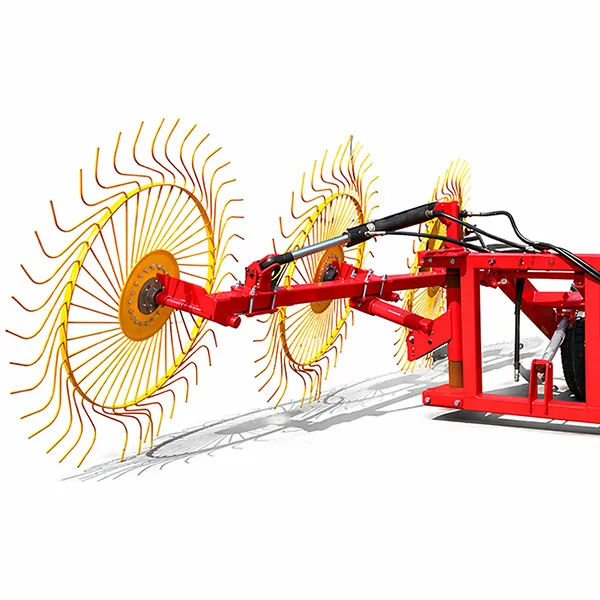
9FZ-2.0 hidrolik katlanır saman tırmığı, 3 bağımsız disk üzerinde 120 yaylı diş ile 2 metrelik şeritleri kabartır, yalnızca 25,73 kW'lık bir traktör gerektirir ve Kore ve komşu pazarlarda süt sığırı kalitesindeki samanın kuruma süresini ila oranında kısaltır.
Daha Hızlı Kuruma Döngüleri ve Daha Yüksek Yem Değeri için Hassas Saman Kurutma Makinesi
The 9FZ-2.0 Hidrolik Katlanır Parmaklı Ot Ot Kurutma Makinesi Bu sistem, yeni biçilmiş saman, silaj ve pirinç sapının kuruma süresini kısaltmak için tasarlanmıştır; bunun için taze biçilmiş samanın nemli alt yüzeyi güneş ışığına ve hava akımına maruz bırakılır. Her biri 40 yaylı dişe sahip üç bağımsız Φ1500 mm disk, yemi nazikçe kaldırıp savurarak kırılgan yonca yapraklarının bütünlüğünü korurken, genel kuruma süresini yaklaşık ila oranında azaltır.
Ürün Genel Bakışı — Değişken Hava Koşulları İçin Tasarlanmış Kompakt Bir Saman Kurutma Makinesi
Biçilen saman tarlada düz bir şekilde durduğunda, üst katman hızla kururken alt katman nemli kalır. Bu dengesiz nem, küflenmeye, protein kaybına ve silaj partilerinin reddedilmesine neden olan şeydir. 9FZ-2.0 parmak tekerlekli ot kurutma makinesi Bu sorun, biçilen otları nazikçe çevirip yayarak, güneşin ve rüzgarın her sapa ulaşmasını sağlayarak çözülür. Sonuç olarak, homojen bir kuruma ve süt kooperatiflerinin aktif olarak prim ödediği daha yüksek kaliteli yem elde edilir.
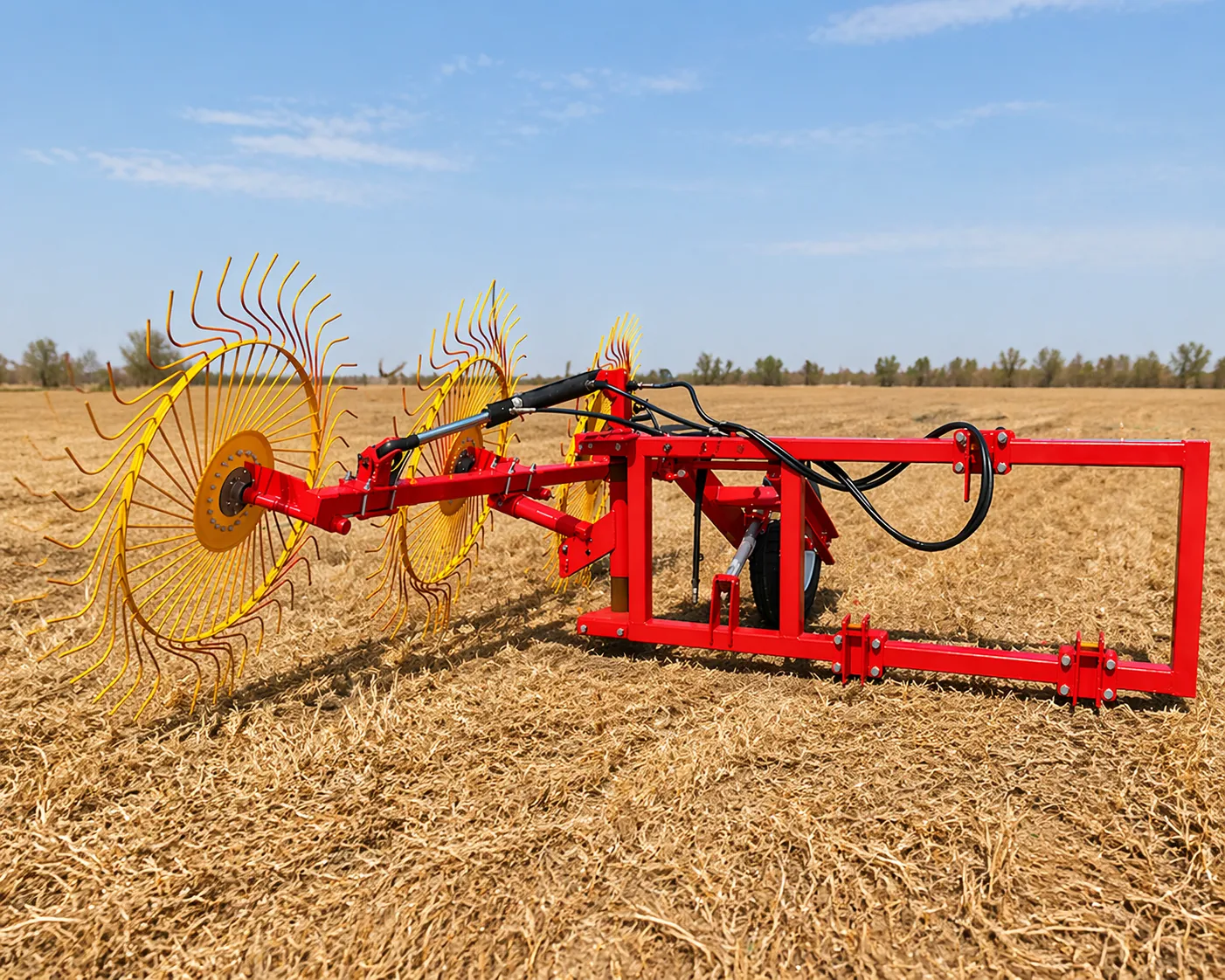
2 metrelik yayma genişliği için tasarlanmış ve sadece 372 kg ağırlığında olan ünite, 25,73 kW veya daha fazla güç üreten herhangi bir traktörün standart 3 noktalı bağlantı sistemine doğrudan monte edilebilir. Kore'deki teraslı tarlalar, Chungcheong ve Gyeongsang'daki küçük ve orta ölçekli süt işletmeleri ve ıslak hava nedeniyle bir öğleden sonrasını kaybetmeyi göze alamayan ihracat yonca üreticileri için doğru boyuttadır. Çerçeve hidrolik olarak katlandığı için, operatör traktör koltuğundan iki dakikadan kısa sürede taşıma modundan çalışma moduna geçebilir - aşağı atlamaya veya cıvataları gevşetmeye gerek yok.
Bu makine, yem bitkisi yetiştirme iş akışında biçme ve tırmıklama işlemleri arasına kusursuz bir şekilde yerleşir. Çim biçme makinesi, karşılıklı hareket eden bir mekanizma ile biçilen ot yığınının ardından, makine devreye girer. çim biçme makinesi veya çim bakım makinesiOt kurutma makinesi, nemli malzemenin üzerinden öğleden sonra bir veya iki kez geçer. Normalde üç ila dört gün sürecek güneşte kurutma işlemi iki güne sıkıştırılarak, balyalama işleminin daha erkene alınmasını ve ekipmanların bir sonraki biçme döngüsü için serbest kalmasını sağlar.
Aktarma Organı Mantığı, Katlama Mekaniği ve Parmak Dinamiği
Hidrolik Katlama ve Açma
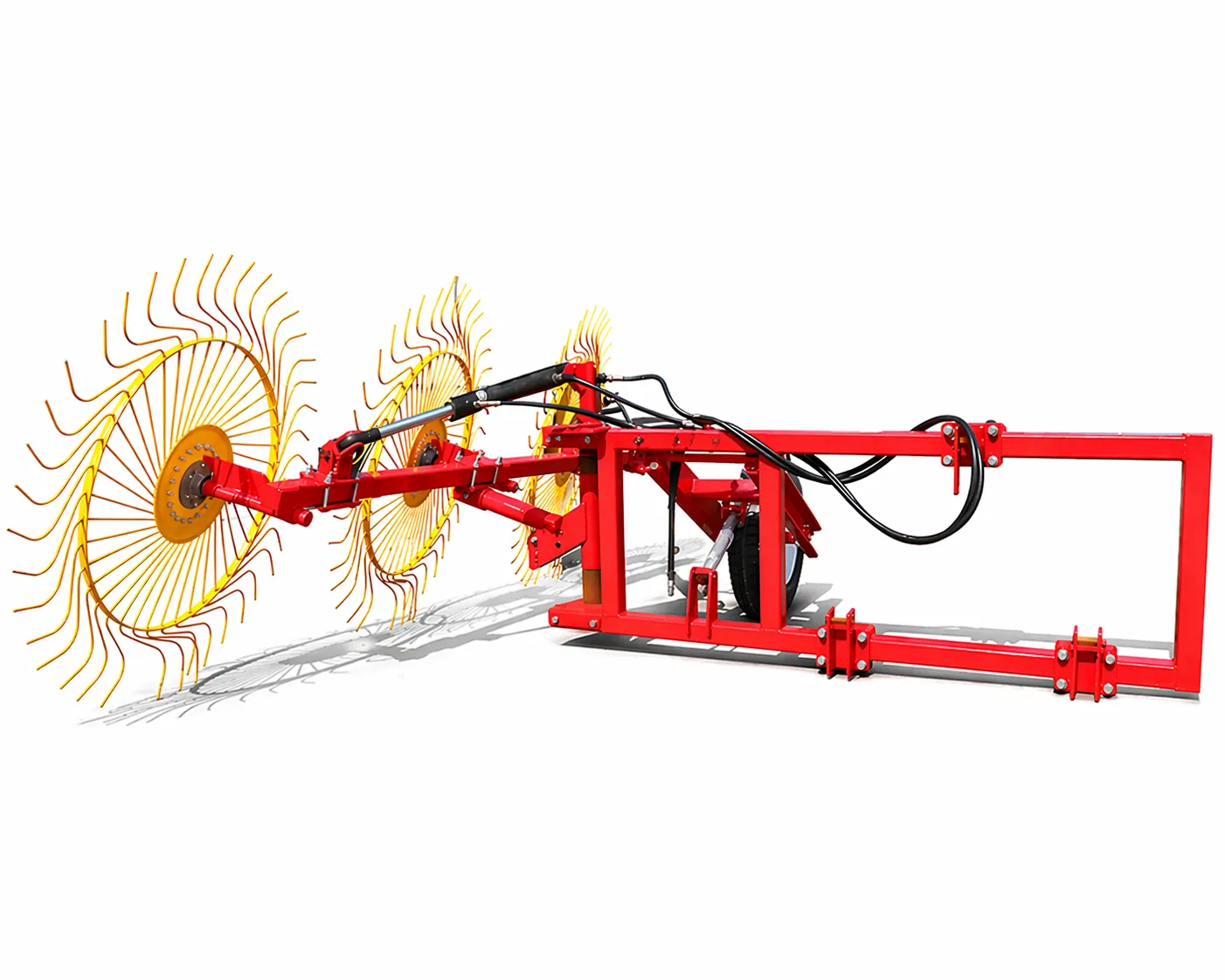
Traktörün yardımcı hidrolik kumandalarına bağlı iki adet çift etkili silindir, uzatılmış çerçeveyi sabit bir taşıma pozisyonuna kaldırır. Operatörler, 3,5 metrelik çalışma çerçevesini içeri doğru katlamak için kolu bir kez, bir kez daha çevirerek bir sonraki tarlaya yeniden yerleştirirler. Geçiş sırasında manuel sabitleme, emniyet zinciri geçirme veya zeminle temas gerekmez; bu da çiftliklerin Amerikan taşra yollarına geniş bir şekilde yayılmış olduğu durumlarda önemlidir.
Parmak-Disk Geometrisi
Üç adet Φ1500 mm'lik diskin her birinde, ürünü doğrudan sapın içine geri itmek yerine yukarı ve yana doğru kaldıran bir açıyla yerleştirilmiş 40 adet sertleştirilmiş yay çeliği parmak bulunur. Bu açı, hassas yonca yapraklarını kırılma hasarından koruyarak balya için protein içeriğinin bozulmadan kalmasını sağlar. Tekerlekler traktörün PTO'sundan değil, zemin temasından döndüğü için, devreye girecek bir şaft, endişelenilecek bir emniyet pimi ve motora ek beygir gücü çekimi yoktur. Değişim basittir — zincirdeki diğer ekipmanların özel olarak tasarlanmış bir sisteme ihtiyacı varken, bu ekipman sadece tekerleklerin çalışmasına olanak tanır. tarımsal şanzıman PTO'dan gelen torku yönetmek için gereken maliyet ve karmaşıklığı 9FZ-2.0 tamamen ortadan kaldırır.
Zemin Uyumlu Süspansiyon
Her disk, arazinin konturuna bağımsız olarak uyum sağlamasına olanak tanıyan yaylı bir pivot üzerine monte edilmiştir. Bir oluk, hendek veya küçük bir kayanın üzerinden geçerken, disk tüm çerçeveyi aşağı çekmeden kalkar ve geri döner. Bu bireysel yüzme özelliği, parmakların Amerika'nın karma arazilerinde ve Moğolistan'ın bozkır kenarlarında yaygın bir durum olan engebeli otlaklarda doğru çalışma yüksekliğinde kalmasını sağlar.
9FZ-2.0 Ot Kurutma Makinesinin Mühendislik Özellikleri
Aşağıdaki tabloda yer alan her bir değer, ot biçme ve yayma makineleri için JB/T 7766-2011 ulusal standardına göre fabrika doğrulamasından elde edilmiştir. Aksi belirtilmedikçe, tüm boyutlar çalışma durumunda verilmiştir.
| HAYIR. | Parametre | Birim | Özellikler |
|---|---|---|---|
| 1 | Ürün Adı | / | 9FZ-2.0 Parmak Diskli Ot Toplama Makinesi |
| 2 | Bağlantı Tipi | / | 3 Noktalı Montajlı |
| 3 | Katlama Mekanizması | / | Hidrolik Çift Silindirli |
| 4 | Toplam Yay Dişleri | adet | 120 (40 diş / disk × 3 disk) |
| 5 | Disk Miktarı | adet | 3 |
| 6 | Disk Çapı | mm | Φ 1500 |
| 7 | Tedding Genişliği | M | 2.0 |
| 8 | Gerekli Traktör Gücü | kW | ≥ 25,73 (~35 HP) |
| 9 | Çalışma Hızı | km/sa | 7 – 10 |
| 10 | Çalışma Durumu Boyutları (U × G × Y) | mm | 3500 × 3500 × 1500 |
| 11 | Yapısal Kütle | kilogram | 372 |
| 12 | Yönetici Standardı | / | JB/T 7766-2011 |
372 kg ağırlığıyla, bu alet 35 HP'lik kompakt bir traktörün arka üç noktalı bağlantı sisteminde taşınabilecek kadar hafiftir, ancak 3500 × 3500 mm'lik çalışma alanı yine de 2 metrelik tam bir ot yayma alanı sağlar. Bu kombinasyon, sermayenin sınırlı olduğu ancak verimliliğin ticari süt kooperatiflerinin son teslim tarihlerini karşılaması gereken çiftlikler için onu pratik bir seçim haline getiriyor.
Evrensel Traktör Uyumluluğu ve Filo Notları
9FZ-2.0, Amerika ve komşu pazarlarda satılan hemen hemen her tarım traktöründe standart olan ISO Kategori I/II üç noktalı bağlantı sistemiyle bağlanır. Operatörün teyit etmesi gereken şey, motor gücü (çekme çubuğunda en az 25,73 kW) ve katlanır silindirleri çalıştırmak için bir adet boş çift etkili hidrolik kumanda setidir. PTO şaftına gerek duyulmaması, yakıt tüketimini düşük tutar ve arka PTO'yu traktörün arkasında sürüklenen diğer ekipmanlar için serbest bırakır.
- 🚜 LS Mtron — MT3.50 / MT5 / XP serisi kompakt traktörler
- 🚜 TYM — Kore'deki orta ölçekli çiftliklerde yaygın olarak kullanılan T353 / T503 / T723 modelleri
- 🚜 Kubota — L3301 / M6060 / M7060, 35–75 HP gücünde
- 🚜 John Deere — 5E serisi (5045E / 5055E / 5075E)
- 🚜 Kioti — DK4710 / RX6010 kompakt yardımcı cihaz
- 🚜 Mahindra — Orta Asya ihracatı için 475 DI / 575 DI aralığı
Marka referansı uyarısı: Yukarıdaki traktör modellerinin isimleri, çiftlik işletmecilerinin ve satın alma yöneticilerinin bu bilgileri eşleştirmelerine yardımcı olmak amacıyla verilmiştir. saman tırmığı Bu üreticilerin listelenmesi, herhangi bir bağlantı, onay, sponsorluk veya ticari marka iddiası anlamına gelmez. Tüm ticari markalar ilgili sahiplerine aittir.
9FZ-2.0'ı Diğerlerinden Ayıran Beş Mühendislik Avantajı
Hidrolik Katlama İki Dakikadan Kısa Sürede
İki adet çift etkili silindir, 3,5 metrelik çerçeveyi rijit bir taşıma platformuna katlayarak operatörün kabinden çıkmasına gerek kalmadan bir sonraki tarlaya yeniden kurar. Tarlalar arası kısa bekleme süreleri, verimli çalışma sürelerinin kaybına yol açmaz.
Tam açılma için 120 yay dişi
Her biri 40 sertleştirilmiş parmaktan oluşan üç disk, yaprak dökülmesini en aza indirirken, ekinleri yanal olarak yayar. 2 metrelik yol boyunca kaplama homojendir ve daha yoğun ekimlerde küflenmeye neden olan ıslak şeritleri ortadan kaldırır.
Kürlenme Süresi Yüzde 30 ila 40 Oranında Kısalır
Nemli alt yüzeyi güneşe çevirerek, öğleden sonra bir veya iki kez ot ayıklama işlemi, üç günlük kuruma döngüsünü iki güne sıkıştırır. Bu daha erken balya tarihi, aksi takdirde silaj olarak değerlendirilecek olan beklenmedik yağmurlardan kaynaklanan zararlardan hasatları kurtarır.
35 HP Düşük Güçlü Giriş Seviyesi
Yerden tahrikli tasarım, PTO sürtünmesini ortadan kaldırır, böylece tüm beygir gücü bütçesi ileri harekete gider. 35 HP'lik kompakt bir traktör, 372 kg'lık çerçeveyi zorlanmadan çeker; ot toplama makinesini çalıştırmak için ikinci bir yüksek beygir gücüne sahip makineye yatırım yapmaya gerek yoktur.
JB/T 7766-2011 Uyumluluğu
Fabrikadan çıkan her bir ünite, gübre serpme ve yayma ekipmanları için ulusal mekanik endüstri standardına göre onaylanmıştır. Gümrük işlemlerini ve kooperatif sübvansiyon başvurularını desteklemek için her ihracat sevkiyatına belgeler eşlik eder.
Yapısal İnşaat ve Metalurji
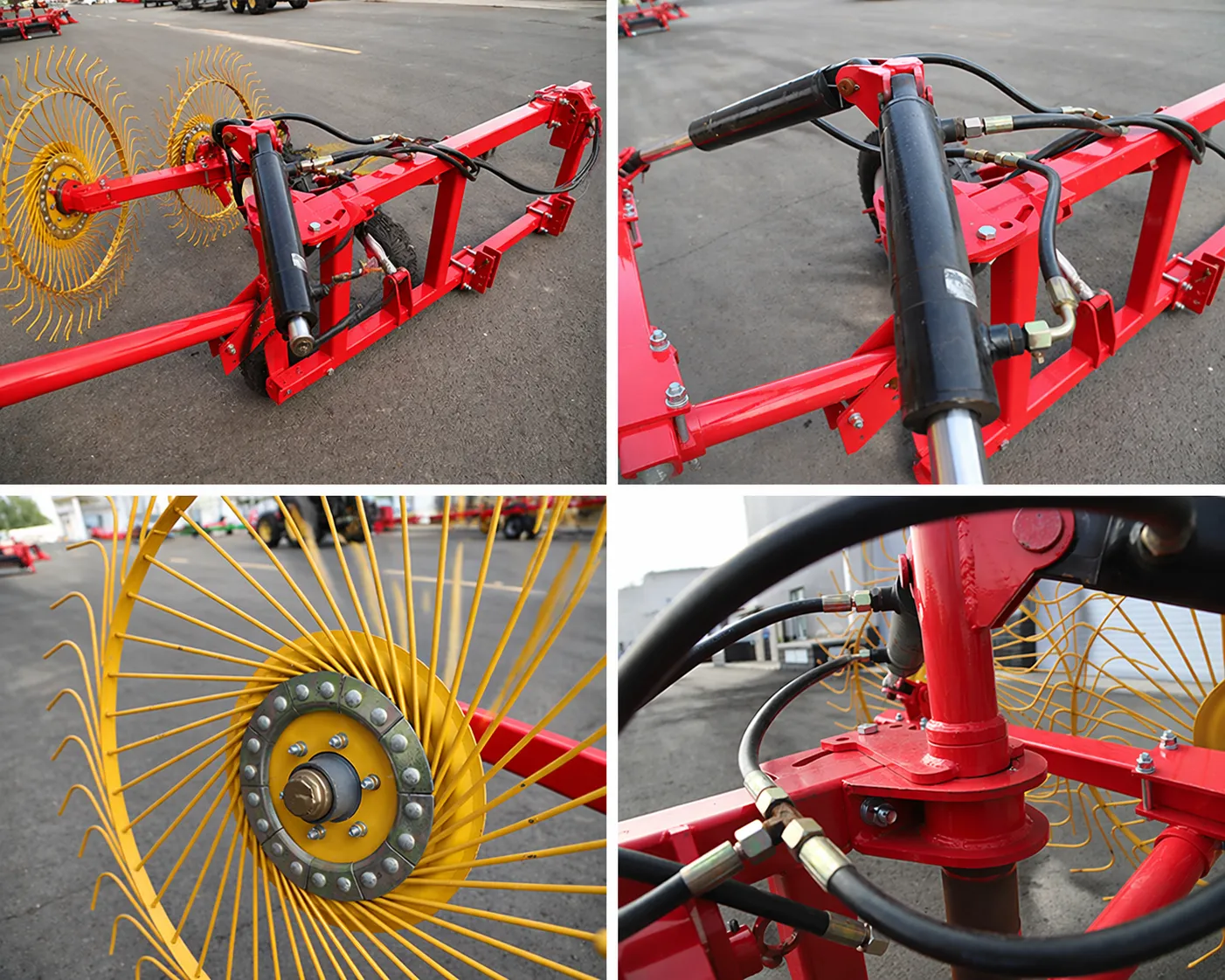
Ana şasi, her yapısal bağlantı noktasında çift geçişli kaynaklı birleşim yerlerine sahip Q345B karbon çelik borudan imal edilmiştir. Bu çelik sınıfı, 10 km/sa hızla kurumuş anızlara çarpan yuvarlanan parmaklardan kaynaklanan tekrarlanan şoku absorbe etmek için yeterli olan minimum 345 MPa akma dayanımına sahiptir. Katlama noktalarındaki köşe takviyeleri, gerilimi daha geniş bir yüzeye dağıtarak, daha ucuz dikdörtgen boru çerçevelerde yaygın olan çatlak yayılımını önler.
Yay parmaklarının kendileri, φ7 mm 65Mn yüksek karbonlu yay çeliğinden üretilmiştir ve kaya veya kök topakları gibi sert cisimlere çarptıktan sonra orijinal eğriliğini geri kazandıran kontrollü bir Rockwell sertliğine kadar ısıl işlem görmüştür. Tipik bir 1500 hektarlık sezon boyunca, çoğu operatör 120 parmağın %5'inden daha azının değiştirilmesi gerektiğini görür. Her disk göbeğinin içinde sızdırmaz, kendinden yağlamalı konik makaralı rulmanlar bulunur ve rutin bakım sırasında yapılan hızlı bir görsel kontrol, eksenel boşluğun 0,1 mm tolerans dahilinde olduğunu doğrular.
Hidrolik hatlar, 28 MPa patlama basıncına dayanıklı, genişletilmiş JIC bağlantı parçalarıyla çelik örgülü kılıflardan geçirilmiştir; bu değer, silindirlerin gerçekte maruz kaldığı 16 MPa çalışma tavanının oldukça üzerindedir. Çerçeve üzerindeki elektrostatik toz boya kaplaması, yaklaşık 500 saatlik tuz püskürtme toleransı sağlar; bu da Kore'nin batı kıyı şeridi boyunca kış korozyonunun ucuz boyalı ekipmanların ömrünü kısalttığı kıyı operasyonları için uygundur.
Özel Tedding Uygulamaları
🌿 Yonca Yaprağı - Güvenli Çevirme
Yonca, proteininin büyük kısmını yapraklarında taşır ve saplardaki nem oranı 'ın altına düştüğünde bu yapraklar kolayca parçalanır. 9FZ-2.0'ın nazik yanal hareketi, döner tırmıkların uyguladığı şiddetli dönüş olmadan tırmık yığınını kaldırır ve yaprak kütlesini yerde değil, balyada tutar. Koreli süt kooperatifleri, bitmiş balyalardaki protein içeriğini test ederken, döner tırmık kullanılan kontrol parsellerine kıyasla düzenli olarak %0,8 ila %1,3'lük bir artış bildirmektedir. Bunu takip eden tırmıklama aşaması için, eşleşen bir 9LZY-9.0 parmak tekerlekli saman tırmığı Aynı traktör filosuna çok yakışıyor.
🌾 Çavdar Otu ve Timoti Otu Silaj Hazırlığı
Nem oranı -70 arasında olan ıslak silajlık çavdar otu, yığın halinde bir araya gelerek ısıyı hapseder ve bozulmaya neden olur. Ot tırmığıyla bir veya iki kez tırmıklama işlemi, bu yığını kırar, hava akışını sağlar ve nem oranını, sarılmış silaj fermantasyonu için ideal olan -60 seviyesine düşürür. Sonuç olarak, daha sıkı, aerobik olarak daha stabil ve nemli Kore yazında açık hava depolama alanlarında daha uzun süre dayanabilen bir balya elde edilir.
🌾 Hasat Sonrası Pirinç Samanı Kurutma
Biçerdöverler pirinç tarlalarına doğranmış pirinç samanını yaydıktan sonra, malzemenin nem oranı genellikle ila arasındadır. Sığır yatağı, biyokütle yakıtı veya mantar yetiştirme ortamı olarak toplanabilmesi için nem oranının 'in altına düşmesi gerekir. 9FZ-2.0 modeli samanı yerinde çevirerek tarlanın gece boyunca nemi tekrar emmesini engeller ve Jeollabuk-do ve Chungcheongnam-do'daki çoğu operatör, samanın yayıldıktan sonra 48 saat içinde balyalanmaya hazır hale geldiğini bildirmektedir.
🐄 Yoğun Süt Sığırı Yem Kürleme
Aynı sezonda tekrar biçime bağımlı olan süt çiftlikleri, uzun kuruma sürelerini karşılayamazlar. Biçmeden sonraki iki ila dört saat içinde otları havalandırmak, biçilen bitkinin altındaki nemi hemen ortaya çıkarır, mahsulü daha çabuk balya nem seviyesine indirir ve tarlayı yeniden büyüme döngüsüne hazırlar. Sezonda üç kez biçim yapılan 40 hektarlık bir çiftlikte, bu disiplin yılda bir ek biçim anlamına gelebilir; bu da aynı araziden yaklaşık daha fazla tonaj demektir.
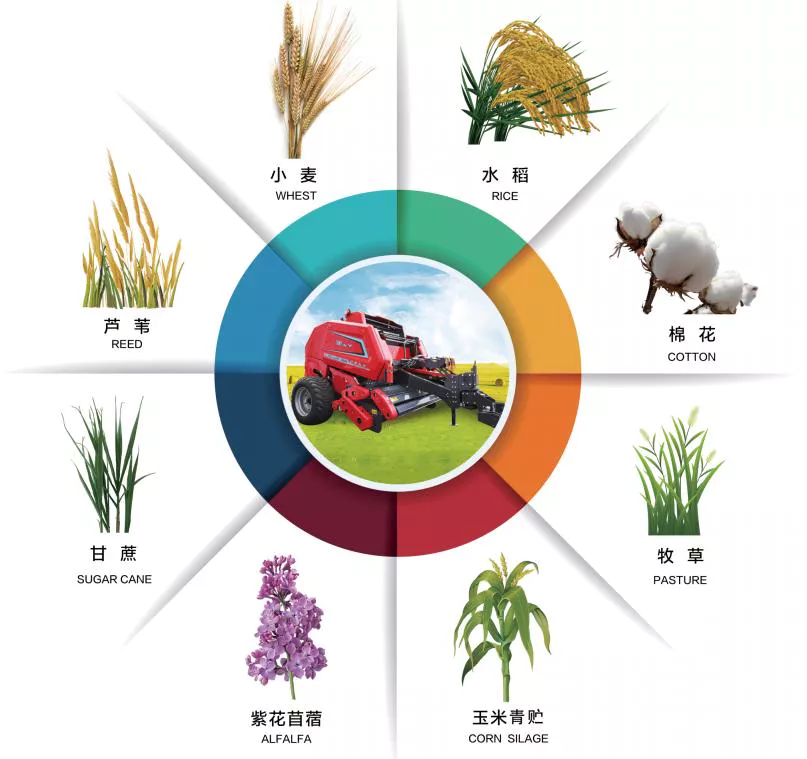
9FZ-2.0 Geleneksel Döner PTO Ot Toplama Makinesiyle Karşılaştırıldığında
| Performans Kriteri | 9FZ-2.0 Parmaklı Diskli Ot Toplama Makinesi | Geleneksel Döner PTO Ot Ayırma Makinesi |
|---|---|---|
| Sürüş yöntemi | Yerden tahrikli — sıfır PTO çekimi | PTO tahrikli — sürekli olarak 5 ila 10 kW güç çeker |
| Minimum traktör beygir gücü | 35 HP | 50 ila 70 HP |
| Yaprak kırılma riski | Düşük — yanal kaldırma geometrisi | Kuru yonca bakımından orta ila yüksek düzeyde |
| Tipik ekipman ağırlığı | 372 kg | 500 ila 800 kg |
| Bakım karmaşıklığı | Minimal — sızdırmaz rulmanlar, vites kutusu yok | Şanzıman yağı değişimi, emniyet cıvataları, şaft yağlaması |
| Sermaye yatırımı | Giriş seviyesi kademesi | Orta ila üst düzey |
| Taşımak için katlayın | Kabin içinden hidrolik sistem, 2 dakikadan kısa sürede. | Çoğunlukla elle iğneleme, 5 ila 10 dakika |
Karşılaştırma notu: Bu matris, genel kategori davranışını yansıtır ve çiftçilerin ve kooperatif alıcılarının yerden tahrikli parmaklı diskli ot toplama makinesi ile PTO döner ot toplama makinesi arasında karar vermelerine yardımcı olmayı amaçlar. Marka üreticilerinin belirli modelleri, konfigürasyona bağlı olarak farklı performans gösterebilir. Herhangi bir marka ürününe eşdeğer veya üstün olduğu iddiası ima edilmemektedir.
Çalışma Prensibi ve Saha Operasyon Akışı
İşlem kısa ve tekrarlanabilir niteliktedir; çoğu yeni operatör, bir öğleden sonraki pratikle tam saha hızına ulaşır. Aşağıdaki sıralama, saha mühendislerimiz tarafından önerilen standart protokoldür.
- Sahada hidrolik açılım — Traktör tarlanın kenarında durdurulup park freni devreye alındığında, operatör kabine monte edilmiş hidrolik kumandayı kullanarak katlanmış çerçeveyi dikey taşıma konumundan 3,5 m genişliğindeki çalışma pozisyonuna indirir. Diskler yatay eksene döner ve parmaklar yere temas yüksekliğine iner.
- Disk teması ve parmak teması — Traktör ileri doğru hareket etmeye başladığında, 120 yaylı parmak biçme makinesinin saplandığı alanı kavrar. Saatte 7 ila 10 km arasındaki yer hızı, disklere ürünü sürüklemeden temiz bir şekilde kaldırmak için yeterli dönme momentumu sağlar. İlk kalibrasyon denemesi, parmakların topraktan yaklaşık 20 mm yukarıda kaldığını doğrular; bu da besleme akışına toprak karışmasını önleyecek kadar yüksektir.
- Yanal yayılım ve kaldırma dinamikleri — Her disk, ekinin kendi payına düşen kısmını yana doğru yatırarak, aletin arkasında daha geniş ve daha kabarık bir yatak oluşturur. Artık hava ve güneş ışığı, daha önce gölgeli olan alt katmana ulaşır. Operatör, dönüş yolunda yeni serpilmiş şeridin tekrar biçilmesini önlemek için tarlada biçme düzenini ayarlar.
- Burun dönüşü ve yeniden bağlantı — Tarla sınırında, operatör diskleri yerden kaldırmak için hidrolik kumandayı kısa süreliğine devreye sokar, traktörü 3,5 m'lik çerçeve tarafından gerekli kılınan geniş dönüş açısında döndürür ve yeni geçiş başlamadan önce diskleri tekrar yere temas ettirir. Diskler devredeyken keskin ve dar dönüşler önerilmez; çerçevede burkulma ve katlama menteşesinde zorlanma meydana gelebilir.
Küresel Saha Notları ve Doğrulanmış Kullanım Örnekleri
📍 Gyeonggi-do, Kore — Süt Ürünleri Kooperatifi
Hwaseong dışında bulunan 40 hektarlık bir kooperatif, 9FZ-2.0 modelini mevcut LS Mtron XP8100 ve ona uygun bir modülle eşleştirdi. yuvarlak balya makinesiBiçilen çimleri üç saat içinde taze olarak havalandırarak, ortalama balya nem oranını 'ten 'e düşürdüler ve Temmuz ayındaki yağışlı dönemde paketlenmiş balyalardaki bozulmayı azalttılar.
📍 Moğolistan, Selenge Eyaleti — Bozkır Samanı Operasyonu
Ulaanbaatar'ın kuzeyindeki doğal otlak alanlarında ilerleyen ot tırmığının bağımsız disk süspansiyonu, döner PTO'lu tırmıkların toprağı kazıma eğiliminde olduğu engebeli arazide değerli olduğunu kanıtladı. Sahibinin zaten elinde bulunan 35 HP'lik kompakt traktör, ikinci bir makineye geçmenin sermaye maliyetinden tasarruf etmesini sağladı.
📍 Primorsky Krai, Rusya — Sınır Ötesi Saman İhracatçısı
Japonya ve Kore'ye saman gönderen bir ihracatçı, ilk biçim tırmık otunu öğleden sonra iki kez tırmıklama makinesinden geçiriyor. Nem kayıtları, önceki sezonda yalnızca doğal kuruma yöntemine dayanan iş akışına kıyasla daha hızlı kuruma sağlandığını ve balyalama ekibinin 36 saat daha erken başlamasına olanak tanıdığını gösteriyor.
📍 Bavyera, Almanya — Organik Yonca Denemesi
Regensburg yakınlarında sertifikalı organik yonca yetiştiricisi, 9FZ-2.0 modelini mevcut döner PTO tırmık makinesiyle birlikte bitişik parsellerde test etti. Balyaların laboratuvar analizleri, parmak diskli parselde ham protein oranının %1,2 daha yüksek olduğunu gösterdi; bu da tırmıklama sırasında yaprak dökülmesinin azalmasına bağlandı.
📍 Jeollanam-do, Kore — Pirinç Samanı Toplayıcısı
Pirinç hasadından sonra, operatör doğranmış samanı pirinç tarlalarına yayar ve ertesi sabah bir kez daha saman tırmığıyla toplar. Saman, önceki makinede sık karşılaşılan bir sorun olan topaklar halinde değil, eşit şekilde kurur. Toplama aşamasında, kurutulmuş samanı bir tırmıkla sıralar halinde toplar. 9LH-12 çekmeli yatay saman tırmığı Biyokütle tesisi alıcısı, standart nem derecesindeki balyaları indirim uygulanmadan teslim almadan önce.
Alıcı Sıkça Sorulan Sorular — Çiftçilerden ve Tedarik Yöneticilerinden Gelen Sorular
S: 2 metrelik bir ot toplama makinesini çalıştırmak için 35 beygir gücünde bir traktör gerçekten yeterli mi?
A: Evet. Diskler PTO ile değil, yerden tahrikli olduğu için, traktörün sadece 372 kg'lık bir ekipmanı saatte 7 ila 10 km hızla ileriye çekmesi gerekiyor. 35 HP'lik kompakt bir traktör, düz veya hafif eğimli arazide bu yükü rahatlıkla taşıyabilir. Dik yamaçlarda veya yoğun ıslak mahsulde ise 45 ila 50 HP'lik bir traktör yeterli bir güvenlik payı sağlar.
S: 120 yaylı parmakların ne sıklıkla değiştirilmesi gerekiyor?
A: Tipik bir 1500 hektarlık karma arazi sezonunda, işletmeciler 120 parmaktan 6'sından daha azının değiştirilmesi gerektiğini bildiriyor. Değiştirme işlemi tek bir cıvata ile yapılıyor; çoğu çiftçi atölyesinde 20 yedek parmaktan oluşan bir set bulunduruyor ve her yıl stoklarını yeniliyor.
S: Katlanmış haldeki taşıma genişliği nedir?
A: Taşıma modunda çerçeve yaklaşık 2 metre genişliğe kadar katlanır, bu da aletin standart Kore kırsal yollarında yasal genişlik sınırları içinde kalmasını sağlar. Refakat aracı veya geniş yük izni gerekmez.
S: Ot toplama makinesi, biçildikten kısa süre sonra nemli ekinlerde de işe yarar mı?
A: Aslında ideal kullanım senaryosu budur. Biçme işleminden sonraki iki ila dört saat içinde, yani erken bir aşamada, ot temizleme işlemi, ot yığınının en fazla nemi kaybetmesi gereken dönemde, nemli alt yüzeyi ortaya çıkarır. Üst kabuk kuruyana kadar beklemek, verimlilik artışını azaltır.
S: Ot temizleme (tedding) ve tırmıklama (raking) arasındaki fark nedir?
A: Çim biçme makinesiyle ekinleri yayarak kuruma sürecini hızlandırırız. Tırmıklama ise kuru ekinleri balyalama için sıra halinde toplar. Tipik bir iş akışı şöyledir: biçme → çim biçme makinesiyle ekinleri yayma (kururken bir veya iki kez) → tırmıklama → balyalama. Bu iş akışına uygun alternatifleri inceleyebilirsiniz. römorklu saman tırmıkları Tırmıklama aşaması için.
S: Bu aletle tarla başı dönüşleri için herhangi bir ipucu var mı?
A: Dönüşten önce hidrolik kumanda ile diskleri hafifçe kaldırın, ardından geniş ve yumuşak bir dönüş yapın. Parmaklar hala devredeyken yapılan keskin dönüşler, katlama menteşesini zorlar ve mera çiminin yırtılma riskini artırır. Meraya girmeden önce en az 4 metrelik bir ön şerit planlayın.
S: Ot kurutma makinesini sezon dışında nasıl saklamalıyım?
A: Aracı kapalı bir alana park edin, disklerdeki çamuru temizleyin, tüm pivot noktalarını yağlayın ve krom çubuk yüzeylerini kış korozyonundan korumak için hidrolik silindirleri tamamen geri çekin. Gergin yayları gevşetmek de kullanım ömrünü uzatır. Tam bir kışa hazırlık işlemi 30 dakikadan az sürer.
S: Kore'de yedek parçalar mevcut mu?
A: Evet. Ansan'da, aşınmaya maruz kalan parçaları (parmaklar, hidrolik O-ringler, rulmanlar) 3 iş günü içinde Kore'nin her yerine gönderen bir yedek parça depomuz bulunmaktadır. Bitişik ekipmanlar için dişli kutuları da dahil olmak üzere daha büyük tahrik sistemi bileşenleri, aynı ekspres ağ üzerinden bölgesel depomuzdan gönderilmektedir.
Kalibrasyon ve Operasyonel Önlemler
- ⚠️ İlk kullanımda hidrolik hava alma işlemi: Tarla çalışmalarına başlamadan önce, motor düşük rölantide çalışırken katlama silindirlerini beş ila altı tam tur döndürün. Bu, yüksek yol hızlarında taşıma sırasında çerçevenin beklenmedik şekilde düşmesine neden olabilecek sıkışmış havayı temizler.
- 🔧 Parmak yüksekliği kalibrasyonu: Arka kolu, parmak uçları toprağın 15 ila 25 mm üzerinde kalacak şekilde ayarlayın. Toprağı kazıyan parmaklar erken kırılır ve mahsulü toprakla kirletir; bu da silaj için büyük bir kalite sorunudur.
- 📌 Geniş burun dönüşleri: 3,5 metrelik çalışma çerçevesi ve uzatılmış kol, düzgün ve geniş bir dönüş yarıçapı gerektirir. Diskler devredeyken ani dönüşler şasiyi bükebilir ve tekrarlanan döngülerde hidrolik katlanır menteşeye zarar verebilir.
Yem Hasadı Filonuzu Tamamlayın
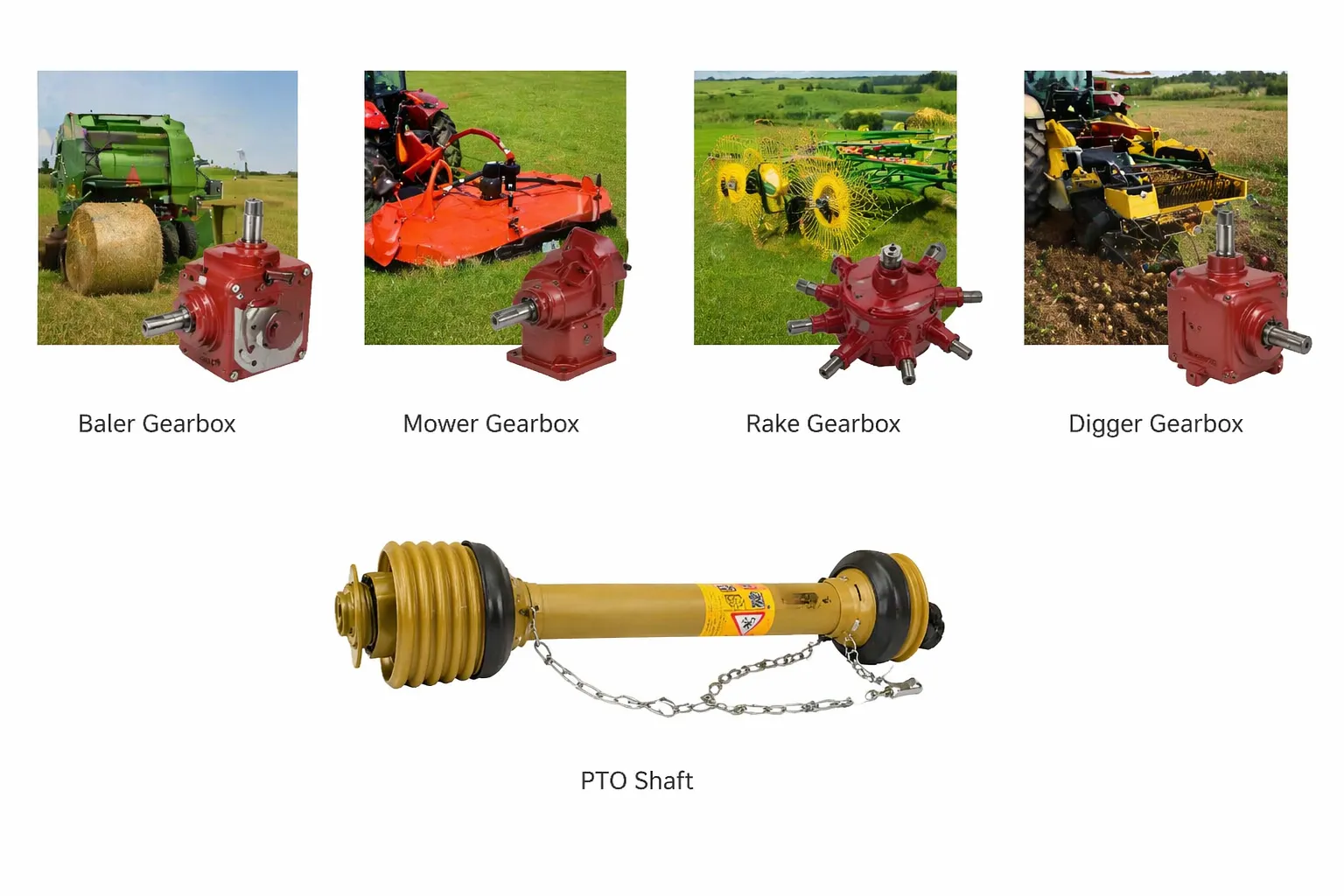
9FZ-2.0, otu tarladan balyaya taşıyan daha büyük bir yem zincirinin bir parçasıdır. Bu ot tırmığından en iyi şekilde yararlanmak için, onu America Ever-Power Silage Baler Co., Ltd.'nin eşleşen yukarı ve aşağı yönlü ekipmanlarıyla birlikte kullanın. Ailenin her bir ünitesi aynı traktör filosunda çalışacak ve uyumlu hidrolik ve tahrik sistemi özelliklerini paylaşacak şekilde tasarlanmıştır; bu da operatörler için eğitim süresini kısaltır ve çiftlik atölyesi için parça kataloğunu yönetilebilir tutar.
Yukarı yönde biçme için, 9GD-2.5 gibi ileri geri hareket eden bir oraklı biçme makinesi veya 9GQY-3.2 gibi bir biçme-kurutma makinesi, ot toplama makinesinin tercih ettiği aynı ileri hızlarda temiz sıralar oluşturur. Aşağı yönde tırmıklama ve balyalama, ürün yelpazemizin tamamında bulunan, arkadan takılan parmak tekerlekli tırmıklar ve silindirli yuvarlak balya makineleriyle doğal olarak eşleşir. Traktörün PTO'sunun balya haznesi veya kurutma silindirleri gibi ağır ekipmanları çalıştırması gerektiğinde, tahrik sistemi, yük profiline göre derecelendirilmiş, özel olarak üretilmiş bir dişli kutusuna dayanır; bu bileşen, tüm zincirin ne kadar süreyle güvenilir kalacağına sessizce karar verir.
- 🌾 Yukarı yönlü biçme — ot toplama makinelerinin kullanımına uygun hızlarda geniş alanlar oluşturan, ileri geri hareket eden tırpanlı ve diskli biçme makineleri.
- 🌀 Ot kurutma işleminden sonra tırmıklama — kurutulmuş yemleri balya makinesine hazır sıralar halinde toplayan parmak tekerlekli ve yatay tırmıklar
- 📦 Kurutma sonrası balyalama — 35 ila 100 HP traktör filoları için boyutlandırılmış sabit hazneli silindirli yuvarlak balya makineleri
- 🔧 Tahrik sistemi yükseltmeleri ve yedek parçaları — Tüm ekipman zinciri için PTO milleri, üniversal mafsallar ve tork dereceli dişli kutuları
- 🏭 Üretim ve sertifikasyon — Her ihracat gönderisiyle birlikte ISO 9001, CE, EAC ve GOST-R belgeleri sağlanmaktadır.

9FZ-2.0 Saman Kurutma Makinesi için Fiyat Teklifi İsteyin
America Ever-Power Silage Baler Co., Ltd., konteyner verimliliği sağlayan SKD sandıklama yöntemiyle dünya çapında sevkiyat yapmaktadır. Traktör modelinizi, tarla büyüklüğünüzü ve hedef ürününüzü bize bildirin; mühendislerimiz 24 saat içinde size özel bir konfigürasyon ve teslimat fiyatı ile yanıt verecektir.
Ek bilgi
| Editör | Cxm |
|---|