
9GL-2.5/2.9 Çekmeli Çim Biçme Makinesi ve Tırmık Kombinasyonu | 2,5 m Kesim + 2,9 m Tırmık
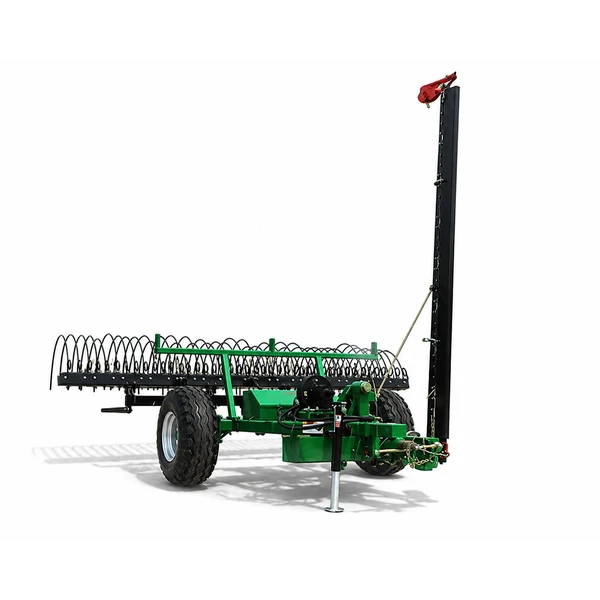
9GL-2.5/2.9 biçme-tırmık kombinasyonu, tek geçişte biçme ve sıra oluşturma işlemini gerçekleştirir — 2,5 m oraklı bıçak ve 2,9 m parmaklı tırmık, 25 ila 55 kW'lık traktörlerde çalışır ve ABD'deki küçük ve orta ölçekli süt ve at çiftliklerinde dönüm başına verimliliği artırır.
Tek Geçişte Biçme ve Sıralama — Küçük Çiftlik Ekonomisi İçin Tasarlandı
The 9GL-2.5/2.9 Römorklu Çim Biçme Makinesi Tırmığı 2,5 metrelik pistonlu tırmık bıçağını, tek bir römorklu şasi üzerinde 2,9 metrelik arka parmak tırmığıyla birleştirir. Tek bir traktör geçişiyle ayakta duran ürün biçilir ve balyalama için hazır, temiz bir sıra oluşturulur. 50 ila 150 dönüm arasında ot, yonca veya saman ekili aile işletmeleri ve at çiftlikleri, aynı tarlada ayrı bir biçme makinesi ve ayrı bir tırmık kullanmaya kıyasla dönüm başına yaklaşık daha fazla zaman kazanır.
Ürün Genel Bakışı — İki Makinenin Yerini Alan Küçük Çiftlik Çim Biçme Tırmığı
Küçük bir aile işletmesi olan süt çiftliğinde veya at pansiyonunda, geleneksel "bugün biç, iki gün bekle, tırmıkla geri gel" iş akışı, fazladan bir tarla geçişi, fazladan bir gün hava koşullarına maruz kalma ve fazladan bir operatör vardiyası anlamına gelir. 9GL-2.5/2.9 bu sıralamayı tek bir seferde birleştirir. 34 bıçaklı, ileri geri hareket eden kesici çubuk, ayakta duran mahsulü 60 ila 70 mm (yaklaşık 2,4 ila 2,75 inç) sap yüksekliğinde keser ve arkadaki tırmıktaki 42 yaylı parmak, kesilen malzemeyi kabarık, iyi havalandırılmış bir sıra halinde toplar - tüm bunlar aynı traktörün arkasında, aynı geçişte gerçekleşir.
Bu modeli özellikle ABD'deki aile çiftliklerinin geometrisine uygun kılan şey, çalışma alanıdır. 8,2 ft kesme genişliği ve 9,5 ft tırmıklama genişliği ile, Pennsylvania süt çiftliklerinin ağaç sıraları ve çitleri arasına, New England'ın dar yonca şeritlerine ve 16 ft'lik döner diskli bir traktörün dönemediği Appalachian at çiftliklerinin teraslı meralarına rahatça sığar. 2.030 lb'lik yapısal ağırlığı, ıslak bahar meralarında zemin basıncını düşük tutar ve 35 HP'lik minimum güç gereksinimi, çoğu küçük çiftlik hangarında zaten bulunan kompakt traktörle uyumludur.
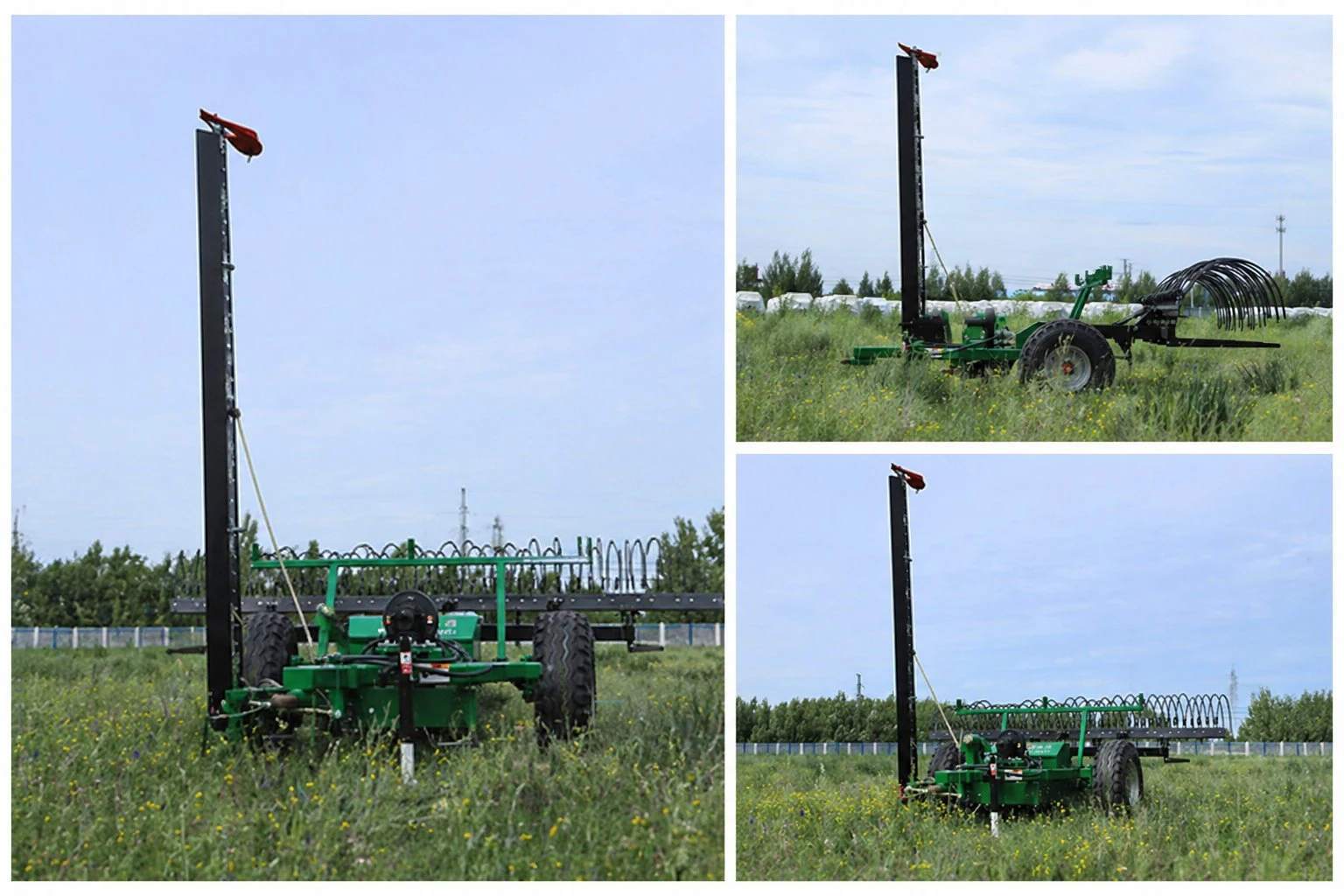
Saatte yaklaşık 3 ila 3,5 dönüm biçme ve 3,7 ila 4,5 dönüm tırmıklama hızıyla, altı saatlik bir öğleden sonra çalışmasıyla tek bir operatör 17 ila 22 dönümlük alanda sıralanmaya hazır otu temizler. Bu ölçek, 100 dönümlük bir aile süt çiftliğinin, bir yükleniciye ihtiyaç duymadan, üç günlük hava koşulları penceresi içinde ilk biçimi tamamlamasına olanak tanır. Bu kombinasyonu uygun bir ekipmanla birleştirin. yuvarlak balya makinesi Ertesi sabah, tarladaki üründen paketlenmiş balyaya kadar tüm hasat zinciri, iki kişi ve iki traktörle yapılan bir işleme dönüşüyor.
9GL-2.5/2.9 Çim Biçme Tırmığı'nın Tüm Teknik Özellikleri
Aşağıdaki tüm değerler, fabrika doğrulama testlerinden elde edilmiştir. GB/T 10940-2008 Kuzey Amerika'daki aile çiftliklerinde yaygın olan çalışma koşullarında ek saha doğrulamasıyla birlikte, pistonlu çim biçme makineleri için standart bir testtir.
| HAYIR. | Parametre | Birim | Özellikler |
|---|---|---|---|
| 1 | Model Tanımı | / | 9GL-2.5/2.9 Çekmeli Çim Biçme Makinesi-Tırmık |
| 2 | Bağlantı Tipi | / | Çeki demiri pimi |
| 3 | Kesici Yapı | / | Pistonlu Orak Çubuğu |
| 4 | Kesme Genişliği | M | 2,5 (~8,2 ft) |
| 5 | Tırmık Genişliği | M | 2,9 (~9,5 ft) |
| 6 | Çalışma Hızı | km/sa | 6 – 7 (~3,7–4,4 mil/saat) |
| 7 | Verimlilik | ha/h | Biçme 1,2–1,44 / Tırmıklama 1,5–1,8 (3,0–4,5 dönüm/saat) |
| 8 | Ortalama Sap Yüksekliği | mm | 60 – 70 (~2,4–2,75 inç) |
| 9 | Gerekli Traktör Gücü | kW | 25 – 55 (35–75 HP) |
| 10 | PTO Şaft Hızı | devir | 540 |
| 11 | Yapısal Kütle | kilogram | 920 (~2.030 lb) |
| 12 | Tırmık Parmak Sayısı | adet | 42 |
| 13 | Parmak Perdesi | mm | 71 (~2,8 inç) |
| 14 | Kesici Bıçak Sayısı | adet | 34 |
| 15 | Taşıma Boyutları (Uzunluk × Genişlik × Yükseklik) | mm | 3100 × 2920 × 2900 |
| 16 | Çalışma Boyutları (Uzunluk × Genişlik × Yükseklik) | mm | 3100 × 5000 × 950 |
| 17 | Operatörler | Kişi | 1 (Sadece Traktör Sürücüsü) |
2,92 m (~9,6 ft) taşıma genişliği, geniş yük refakatine gerek kalmadan çoğu ABD eyaletinin kırsal yollarında izin verilen 10 ft sınırının içinde kalmaktadır. İlçe karayollarında tarlalar arasında hareket eden sahipler yine de yerel araç genişliği düzenlemelerini kontrol etmeli ve arka kısma bir SMV üçgeni takmalıdır; her iki öğe de standart teslimat kitinde gönderilir.
Kuzey Amerika genelinde Traktör Filosu Eşleştirme
9GL-2.5/2.9, standart bir çeki demiri bağlantısıyla bağlanır ve 540 rpm'lik bir arka PTO'ya ek olarak bir veya iki hidrolik uzaktan kumanda devresi gerektirir. Aşağıda, çoğu sahibinin garajında zaten bulunan kompakt traktör braketi gösterilmektedir; eğer traktör bu aralığa uyuyorsa, kombinasyon herhangi bir aktarma organı modifikasyonu gerektirmeden doğrudan takılabilir.
- 🚜 John Deere — 5045E / 5055E / 5075E — ABD'deki aile işletmesi süt çiftliklerinde ve at çiftliklerinde en yaygın kullanılan traktör.
- 🚜 Kubota — L3301 / L4060 / M5-091 kompakt hizmet serisi
- 🚜 Massey Ferguson — MF 2605H / MF 4707 / MF 4708 — Yukarı Orta Batı'da güçlü bir varlık
- 🚜 Case IH — ISO standardı PTO'lu Farmall 55C / 65C / 75C çok amaçlı traktörler
- 🚜 Yeni Hollanda — Workmaster 55 / 65 / 75 — sözleşmeli hasat operatörleri tarafından yaygın olarak kullanılmaktadır.
- 🚜 Kioti — DK4520 / DK5310 / RX7320 — ABD'nin güneydoğusundaki küçük ölçekli çiftliklerde popülerdir.
Marka referansı uyarısı: Yukarıda belirtilen traktör modelleri, çiftlik işletmecilerinin bu biçme makinesi-tırmık kombinasyonunu halihazırda sahip oldukları ekipmanlarla eşleştirmelerine yardımcı olmak amacıyla verilmiştir. Listeleme, herhangi bir bağlantı, onay veya ticari marka iddiası anlamına gelmez. Tüm ticari markalar, ilgili sahiplerinin mülkiyetindedir.
Entegre Biçme-Tırmık Kinematiği
Pistonlu Orak Çubuk Mekaniği
Ön kesme çubuğu, Pitman tahrikli ileri geri hareket prensibiyle çalışır; 34 adet tırtıklı üçgen bıçak, eşleşen destek parmaklarına karşı ileri geri kayarak, mahsulü kökünden koparmadan temiz bir şekilde keser. Bu kesme geometrisi, döner diskli biçme makinelerine göre yeniden büyümeye daha naziktir; bu nedenle ileri geri hareket eden çubuklar, organik sertifikalı saman işletmeleri ve bir sonraki biçim için kalitenin önemli olduğu at yemi kalitesinde yonca tarlaları için tercih edilen seçenek olmaya devam etmektedir.
Arka Tarafa Monte Edilmiş Parmak Eğim Dinamiği
Kesme çubuğunun hemen arkasında, 71 mm (2,8 inç) aralıklı 42 yaylı parmak, yeni biçilmiş mahsulü sürekli bir şerit halinde toplar. Tırmık traktörün tekerlek izlerinin içinde yer aldığından ve kesme çubuğu yana doğru uzandığından, parmaklar yeni serilmiş malzemeyi toplar; kuruma boşluğu veya ayrı bir geçiş gerekmez. Oluşan sıra, daha sonra tekrar tırmıklanmaya veya kuru güneşli havalarda ertesi sabah doğrudan balyalanmaya hazırdır.
Çift Hidrolik Kaldırma Sistemi
İki çalışma modülünün her biri – kesme çubuğu ve tırmık – kendi hidrolik kaldırma silindiri üzerinde hareket eder. Operatör, tarladaki bir engelin üzerinden geçmek için yalnızca kesme çubuğunu kaldırır, ardından onu bir sonraki sıraya düzgün bir şekilde indirir. Operatör yalnızca biçme yapmak istediğinde, örneğin hasattan önce mahsulün biraz güneş ışığından faydalandığı ağır bir ilk biçimde, tırmık bağımsız olarak devre dışı bırakılabilir. Traktörün yardımcı uzaktan kumandasındaki bir kol, kabinden çıkmadan her bir kaldırma işlemini kontrol eder.
Altı Ayırt Edici Saha Avantajı
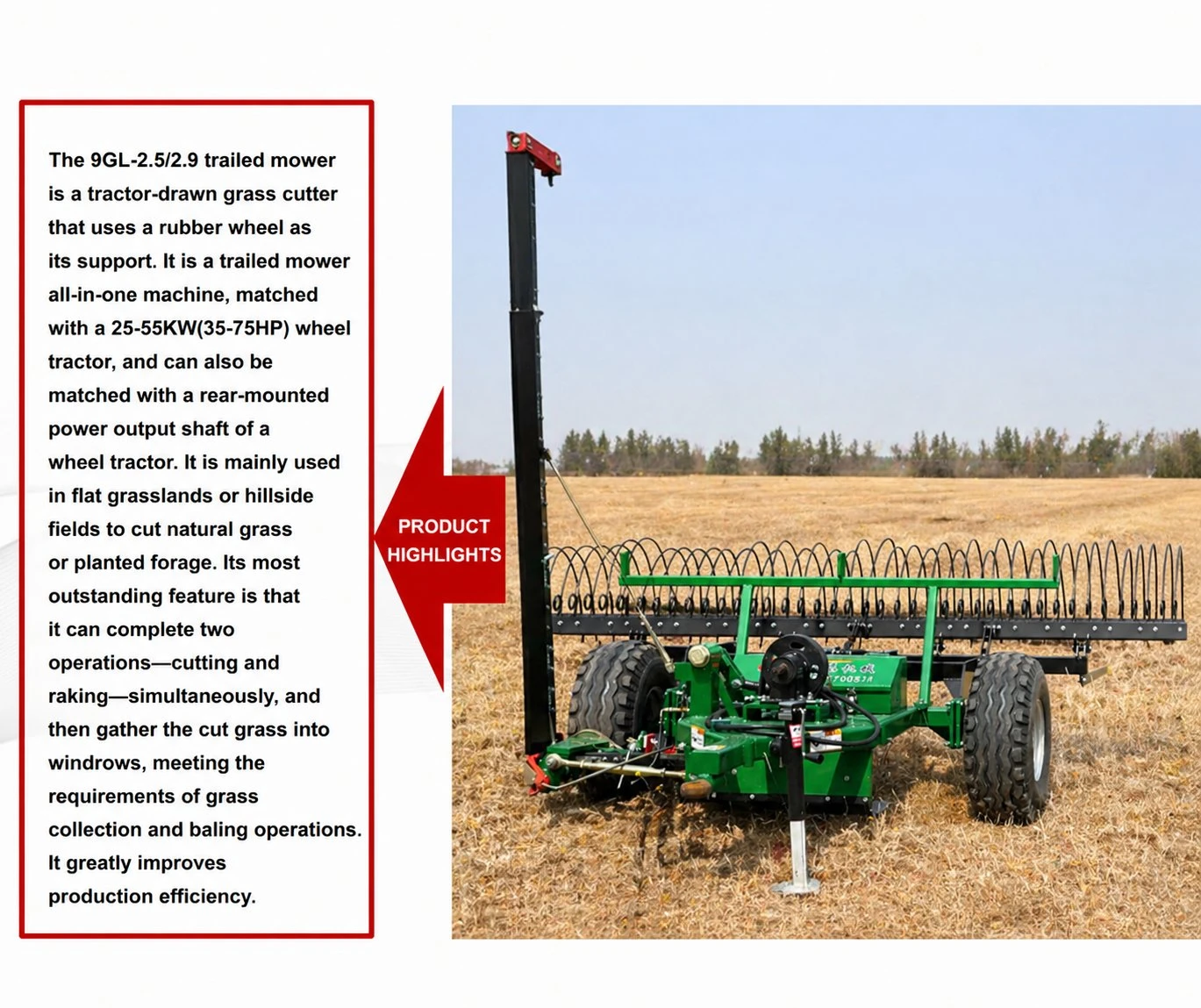
34 Bıçaklı Temiz Kesim Çubuğu
Tırtıklı üçgen bıçaklar, sabit destek parmaklarına karşı gövdeyi temiz bir şekilde keser. Yeniden büyüme, döner diskli biçme makinelerine göre daha hızlı başlar; bu da sertifikalı organik işletmelerin ve at yemi üreticilerinin sezonlar boyunca pistonlu bıçaklarla çalışmaya devam etmesinin tam nedenidir.
Kabarık Saç Örgüsü İçin 42 Yaylı Parmak
2,8 inçlik diş aralığına sahip tırmık, biçilen otu nazikçe kaldırarak havalandırılmış, gevşek bir sıra oluşturur. Hava ve güneş özüne ulaşır, nem daha hızlı düşer ve elde edilen balya daha temiz depolanır; bu da süt sığırları için yem kalitesine doğrudan katkı sağlar.
Tek Geçiş = Yarım Saat
Operatörler, daha önce iki seans gerektiren işi, artık aynı öğleden sonra ilk biçim otunu biçip hazır bir saman yığını bırakarak tamamladıklarını bildiriyor. Aynı tarlada iki ayrı makine çalıştırmaya kıyasla, dönüm başına yakıt tüketimi yaklaşık oranında azalıyor.
35 HP Giriş Seviyesi
50 beygir gücünün altındaki kompakt traktör sahipleri, 75 beygir gücü ve üzeri bir makineye geçmeye gerek kalmadan nihayet gerçek bir biçme-tırmıklama iş akışına erişebilecekler. 914 kg ağırlığındaki şasi, çoğu küçük çiftliğin zaten sahip olduğu beygir gücüyle düz ve hafif eğimli arazilerde rahatça çalışır.
Bağımsız Hidrolik Asansörler
Kesici bıçak ve tırmık, her biri kendi silindiri üzerinde hareket eder. İlk geçişte yalnızca kesiciyi devreye alın, kombine geçişte her ikisini de devreye alın veya tarla başlarında her ikisini de kaldırın; tüm kararlar traktör koltuğundan, inmeye gerek kalmadan verilir.
Düşük Bakım Gerektiren Pitman Drive
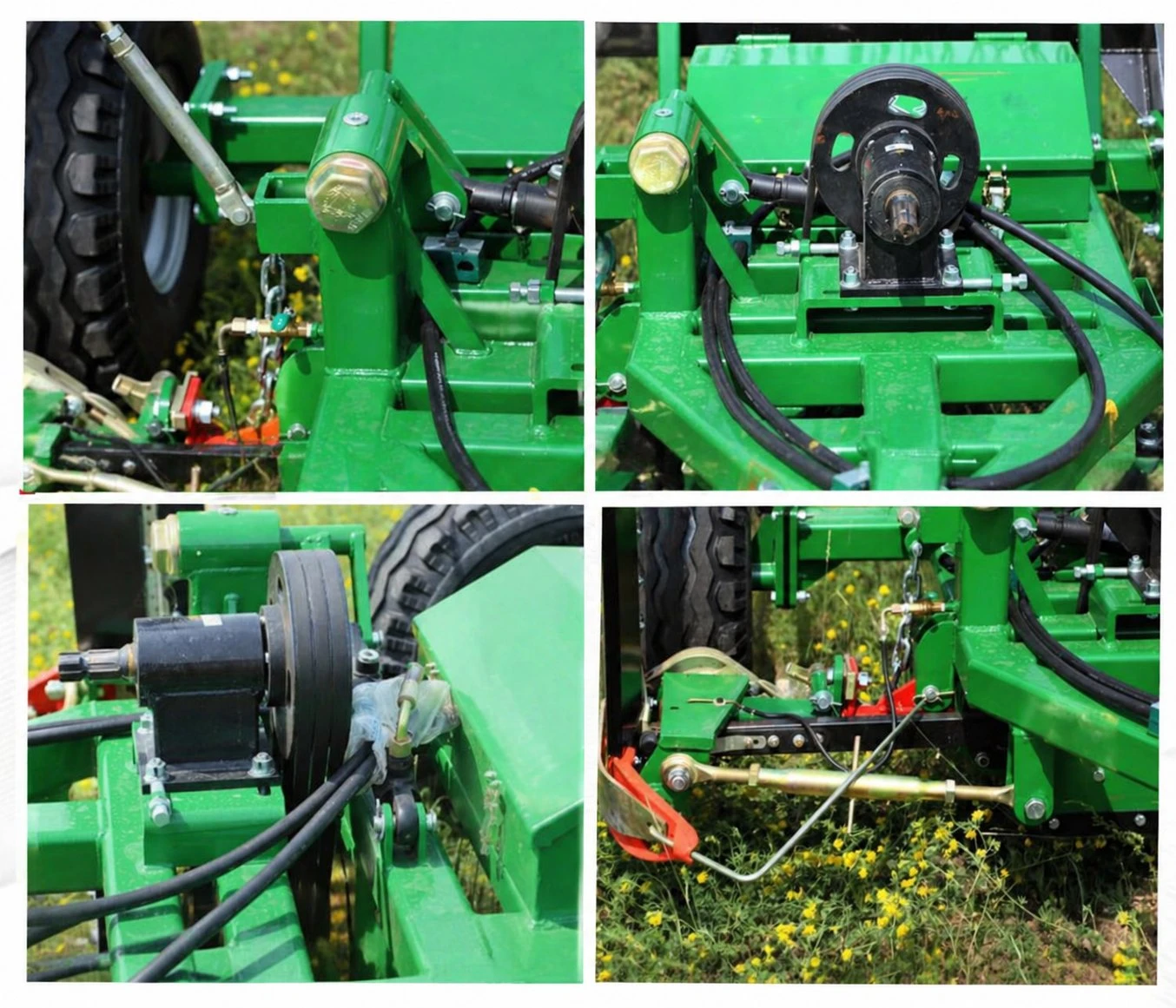
İleri geri hareket eden çubuk, basit bir krank ve çubuklu Pitman tahrik sistemiyle çalışır; hidrolik veya kayış tahrikli kesicilere göre daha az hareketli parçaya sahiptir, dökme bir gövde ile tozdan korunmuştur ve temel bir anahtar takımıyla herhangi bir çiftlik atölyesi tarafından bakımı yapılabilir.
Yapısal Tasarım ve Bileşen Kalitesi
Ana şasi, her menteşe ve pivot noktasında takviye takviyeleriyle birlikte Q235 kaynaklı boru şeklinde çelik kullanır. Kesici çubuk omurgası, sabit parmakları tam kesme açısında tutan hassas delinmiş destek bağlantılarına sahip işlenmiş düz çubuk kesitinden oluşur; bu hizalamadaki sapma, pistonlu çim biçme makinelerinde kötü kesim kalitesinin en yaygın nedenidir ve 9GL-2.5/2.9, binlerce saat boyunca geometrinin doğru kalmasını sağlayan sertleştirilmiş bir konumlandırma bloğu ile bu sorunu çözmektedir.
Bıçak ağızları, çim biçme makinelerimizin tümünde kullanılan aynı malzeme olan sertleştirilmiş karbon çeliğinden preslenerek üretilir. 9GD-2.5 çekmeli tek bıçaklı çim biçme makinesiTek bir cıvata ile takılıp çıkarılabiliyorlar; 34 yedek bıçaktan oluşan tam bir set yaklaşık 4 kg ağırlığında ve bir atölye çekmecesine sığabiliyor. Çoğu operatör normal çimlerde sezon başına bıçak setinin yaklaşık yarısını değiştiriyor; kumlu veya taşlı toprak bu aralığı kısaltabiliyor.
Tırmık bölümü, tek tek parmakların bir engele çarptığında geriye doğru esnemesine ve bozulma olmadan doğru açıya geri dönmesine olanak tanıyan yaylı bir şasi üzerine monte edilmiştir. Taşıma tekerlekleri, ağır aletlerin genellikle ilkbahar aylarında iz bıraktığı ıslak meralarda zemin basıncını düşük tutan 10.0/75-15.3 ebatlarında geniş tabanlı lastiklerdir.
Küçük Çiftliklerde ve Özel Üretim İşletmelerinde Tipik Uygulamalar
🐄 Küçük Aile Süt Çiftliği Yem Üretimi
50 ila 150 baş Holstein, Jersey veya melez sığır yetiştiren aile işletmesi süt çiftlikleri, yılda 300 ila 800 ton saman eşdeğeri yem ihtiyacı duyar. 40 HP'lik bir traktörle eşleştirilen 9GL-2.5/2.9, bu tonajı sezonda üç ila dört biçimde temizleyerek her seferinde balya makinesine hazır, temiz bir ot yığını bırakır. Bu alet ayrı bir biçme makinesi ve tırmığın yerini aldığı için, küçük çiftlikler iki makine satın alma ve bunları kullanmak için fazladan bir traktör saati harcama maliyetinden kurtulur.
🐴 At Pansiyonu ve At Yemi Hazırlığı
At çiftliklerinde kullanılan saman, minimum toz ve yabancı madde bulaşması içermemelidir. Döner diskli biçme makinelerinin kaldırdığı uçuşan parçaları ortadan kaldırarak biçme işlemini gerçekleştirir ve nazik tırmıklama hareketi toprağın saman yığınına karışmasını önler. Kentucky, Virginia ve Ocala bölgesi Florida'daki at samanı üreticileri, özellikle solunum yolu hassasiyeti olan safkan atlar ve gösteri atları için kritik önem taşıyan temiz sonuç nedeniyle bu kombinasyonu tercih etmektedir.
🌱 Sertifikalı Organik ve Düşük Girdi Gerektiren Çiftlikler
ABD Tarım Bakanlığı'nın (USDA) organik sertifikasyon standartları, toprak bozulmasını en aza indiren ve petrol ürünlerinin ürüne sızmasını önleyen ekipmanları tercih etmektedir. Gresle yağlanan Pitman tahrik sistemi, elektrostatik toz boyalı çerçeve ve ürünle temas eden yüzeylerde hidrolik yağ bulunmaması, bu standartları desteklemektedir. Pensilvanya'nın Lancaster County bölgesindeki bir organik işletme, bu modeli kullanarak Amish bölgesinden elde edilen yoncaları sıra halinde biçmekte ve bu yoncalar daha sonra Kuzeydoğu'daki organik süt kooperatifleri için sertifikalı yem haline gelmektedir.
🏔️ Yamaç ve Dar Parsel Çiftlikleri
Appalachia, Ozark Dağları ve Wisconsin'in Driftless Bölgesi'nin engebeli dağlık arazisi, 16 fitlik döner biçerdöverin dönemeyeceği birçok dar alan oluşturmaktadır. 9,6 fit taşıma genişliği ve 16,4 fit çalışma uzunluğuyla 9GL-2.5/2.9, bu dar alanlarda rahatça hareket ederek, çiftliklerin ticari ölçekli ekipmanların erişemeyeceği yem bitkilerini hasat etmelerini sağlar.
🌿 İlk Biçim Yonca ve Çayır Otu
Yonca ve çayır otunun erken mevsim biçimlerinde genellikle kısa boylu ve yüksek nemli olması beklenir. İleri geri hareket eden bıçak, kısa sapları boşluk bırakmadan biçerken, tırmık daha hafif olan mahsulü rüzgarı yakalayan ve hatta Büyük Göller bölgesinde ve Kanada ovalarında sıkça görülen bulutlu bahar havalarında bile hızla kuruyan bir sıra halinde toplar.
9GL-2.5/2.9 ile Ayrı Çim Biçme Makinesi ve Ayrı Tırmık Seti Karşılaştırması
| Ekonomik Kriter | 9GL-2.5/2.9 Kombinasyonu | Ayrı Çim Biçme Makinesi + Tırmık |
|---|---|---|
| Saha geçişleri kesim başına | 1 geçiş | Farklı günlerde 2 geçiş |
| 25 dönüm başına toplam saat | 7 ila 9 saat | 13 ila 16 saat |
| dönüm başına yakıt maliyeti | Yaklaşık yüzde 35 daha düşük | Temel |
| Traktörlere ihtiyaç var | 1 traktör | 1 veya 2 (aynı gün çim biçme ve tırmıklama yapılacaksa) |
| Operatörler aranıyor | 1 operatör | 1 ila 2 operatör |
| Başlangıç sermaye harcaması | Tek alet satın alımı | Çim biçme makinesi + tırmık ≈ kombine fiyatın 1,4 katı |
| Depolama alanı | Bir depo bölmesi | İki depo bölmesi |
Karşılaştırma notu: Bu rakamlar, tipik ABD aile çiftliklerindeki çim ve yoncanın birinci ve ikinci biçimlerindeki koşulları yansıtmaktadır. Gerçek sonuçlar, mahsulün durumuna, tarla şekline, traktörün beygir gücüne ve operatörün deneyimine göre değişiklik gösterebilir. Bu tablo, belirli sonuçların garantisi değil, planlama kılavuzu olarak tasarlanmıştır.
Çim Biçme ve Tırmıklama İşlemi Akış Şeması Adım Adım
Yeni operatörler genellikle bir öğleden sonra tam çalışma hızına ulaşırlar. Aşağıdaki sıra, saha mühendislerimizin yerinde devreye alma sırasında öğrettikleri protokoldür.
- Oto koltuğuna oturma ve izinli seyahat (PTO) işlemleri — Çeki demirini traktör bağlantı noktasına sabitleyin, 540 rpm'lik PTO şaftını bağlayın ve her iki hidrolik hortumu da uzaktan kumanda portlarına bağlayın. Tarlaya girmeden önce, Pitman hareketinin düzgün olduğunu doğrulamak için PTO'yu kısa süreliğine düşük rölantide çalıştırın.
- Kesici çubuğu aşağı indirin ve bıçak tahrikini devreye sokun. — Traktör tarlanın kenarında iken, kesici çubuğu kesme pozisyonuna indirmek için ilk hidrolik kumandayı etkinleştirin. Temiz bir kesim işlemi için bıçak kızağı aralığının 0,004 ila 0,012 inç arasında olduğundan emin olun.
- İleri yönde hareket hızı saatte 3,7 ila 4,4 mil arasındadır. — Traktörü normal kesme hızı aralığına getirin. Mil başına 4,5 milin üzerinde hız yapmak, kesilmemiş sap bantlarına neden olur; mil başına 3 milin altında hız yapmak ise kesim kalitesini iyileştirmeden zaman kaybına yol açar.
- Arka tırmık kesilmiş çimleri toplar. — 42 adet yaylı parmak, yeni kesilmiş malzemeyi içeri doğru süpürerek 30 ila 48 inç genişliğinde sürekli bir sıra oluşturur. Kabarık yapı doğal olarak nefes alır ve sıkıca sarılmış döner tırmık sıralarına göre daha hızlı kurur.
- Burun kaldırma ve döndürme — Tarla sınırında, ikinci hidrolik kumanda ile hem kesiciyi hem de tırmığı kaldırın, geniş bir U dönüşü yapın, modülleri indirin ve bir sonraki şeride tekrar girin. Modüller takılıyken yapılan dar dönüşler, tekrarlanan döngülerde çerçeveyi bükebilir.
Küçük Çiftliğinizde Yem Hasadı Zincirini Tamamlayın
Biçme makinesi ve tırmık kombinasyonu, daha büyük bir yem zincirinin çalışan parçalarından biridir. Tipik bir 50 ila 150 dönümlük ABD aile çiftliğinde veya karma hayvancılık çiftliğinde, tüm iş akışı, daha hızlı kuruma için biçilmiş otları çeviren bir tırmıktan, biçme ve sıralama işlemini yapan bu biçme makinesi ve tırmık kombinasyonuna ve bitmiş saman veya silajı paketleyen yuvarlak balya makinesine kadar uzanır. Tüm bu parçaların eşleşen traktör beygir gücüne, uyumlu hidrolik devrelere ve uyumlu PTO tahrik hatlarına sahip olması gerekir; America Ever-Power Silage Baler Equipment INC. de ürün yelpazesini tam olarak bu şekilde tasarlamıştır.
Zincirdeki her PTO tahrikli ekipmanın güvenilirliği, iyi tasarlanmış bir sisteme bağlıdır. tarımsal şanzıman Yük altında gerçekten gördüğü tork için derecelendirilmiştir. 9GL-2.5/2.9'da şanzıman, Pitman tahrik muhafazasının içinde bulunur ve yaklaşık 1.500 saatlik bir bakıma ihtiyaç duymadan yağ banyosunda çalışır. Tam bir çiftlik filosunda, bu disiplin - eşleştirilmiş beygir gücü, eşleştirilmiş hidrolik sistem, eşleştirilmiş şanzımanlar - iki yıllık ekipman ömrünü on yıllık ekipman ömründen ayıran şeydir.
- 🌀 Yukarı akış yönünde ot kurutma — hidrolik katlanır parmak tekerlekli ot kurutma makinesi, biçme işlemleri arasındaki kuruma sürecini hızlandırır.
- 🌾 Daha büyük arazilerde aşağı yönde tırmıklama — bu kombinasyondaki tırmık bölümünden daha geniş tarlalar büyüdüğünde, daha büyük V-tırmıklar 6 metrelik (20 ft) süpürme işlemlerini gerçekleştirir.
- 📦 Kurutma işleminden sonra balyalama — 35 ila 75 HP traktörler için tasarlanmış küçük hazneli yuvarlak balya makineleri, burada üretilen sıra genişliğiyle doğrudan uyumludur.
- 🔪 Daha büyük biçme makinesi-tırmık kombinasyonu — tarlalar 150 dönümü geçtiğinde, bu tasarımın 5 m (16 ft) kesme versiyonu tek geçişli iş akışını korur.
- 🛠️ Yedek bıçaklar, parmaklar, Pitman tamir kitleri — Dallas, Teksas'taki parça depomuzda stokta bulunmaktadır ve ABD anakarasına 3 gün içinde teslimat yapılmaktadır.
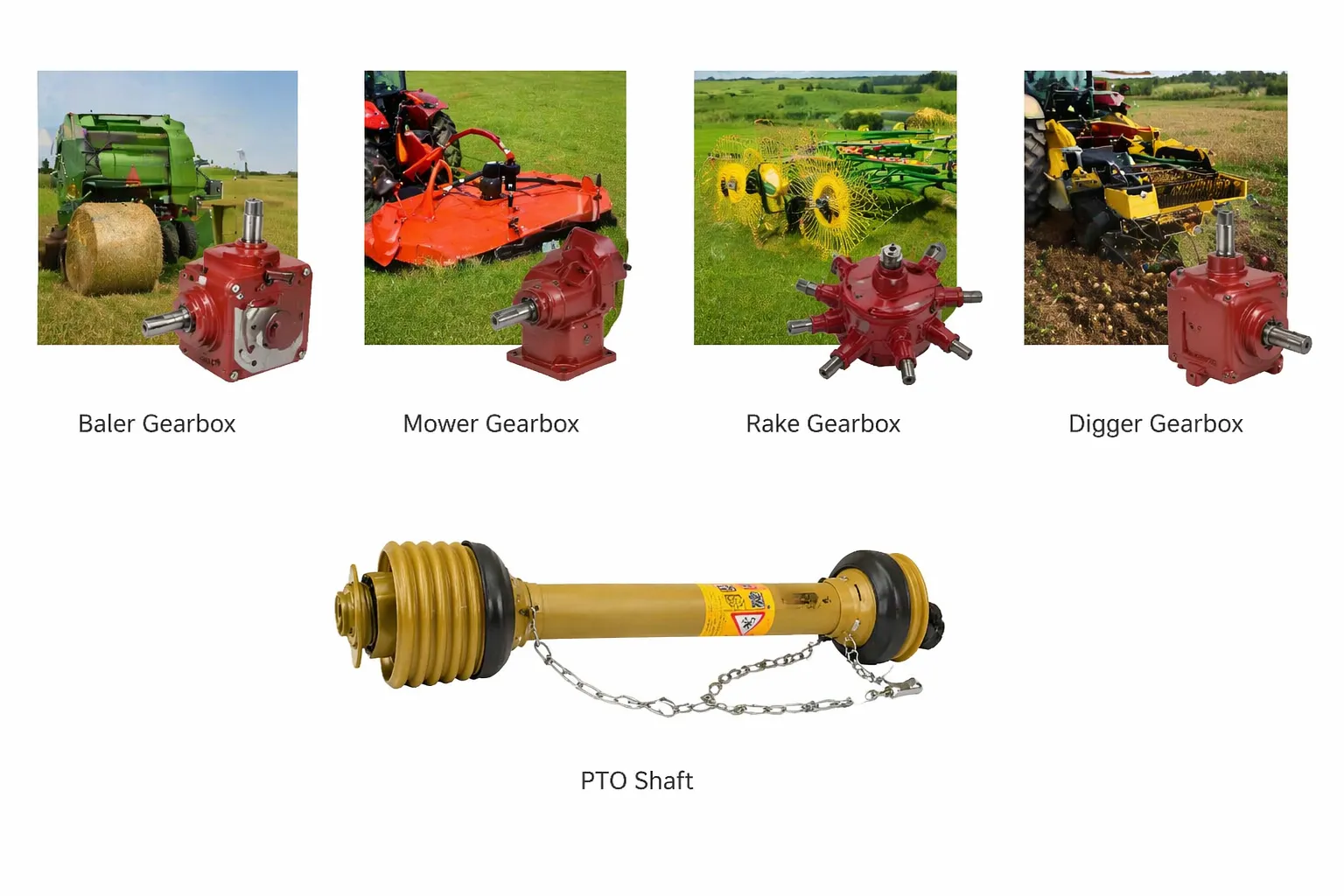
Kuzey Amerika'nın Dört Bir Yanından Bölgesel Saha Vakaları
📍 Lancaster İlçesi, Pensilvanya — Aile Süt Ürünleri İşletmesi, Mayıs 2025
Yaklaşık 75 dönümlük mera alanına sahip, 60 ineklik bir Holstein süt çiftliği, 9GL-2.5/2.9 modelini mevcut Kubota L4060 biçme makinesiyle birleştirdi. 42 beygir gücündeki bu kombinasyon, 2025 yazında üç biçimi tıkanmadan gerçekleştirdi; hatta daha önce döner biçme makinesinin zorlandığı karışık çayır otu ve yonca merasında bile. Sahibi, her biçimi ayrı ayrı ekipmanlarla yapılan biçimin yarısında tamamladığını belirtiyor.
📍 Driftless Bölgesi, Wisconsin — Organik Yem Bitkisi Çiftliği, Ekim 2024
Yaklaşık 1300 fit yükseklikte bulunan sertifikalı organik karma yem bitkisi yetiştiriciliği yapan bir işletme, yonca tarlalarındaki toz ve yaprak dökülmesini azaltmak için eski döner biçme makinesinden 9GL-2.5/2.9 modeline geçiş yaptı. Tekrarlayan kesim, döner ekipmana göre daha temiz sap bıraktığı için yeniden büyüme döngüsü yaklaşık beş gün kısaldı.
📍 Ocala, Florida — Safkan At Pansiyonu, Ağustos 2024
Bermuda çimi meralarında 180 safkan at besleyen bir at pansiyonu, solunum yolu hassasiyeti olan hayvanlar için düşük tozlu saman ihtiyacı duyuyordu. Temiz, karşılıklı kesim ve nazik tırmıklama hareketi, çiftlik veterinerinin gösteri atlarının beslenmesi için onayladığı balyalar üretti. Zaten mevcut olan John Deere 5055E, herhangi bir değişiklik yapılmadan bu kombinasyonu çalıştırdı.
📍 Holmes County, Ohio — Sözleşmeli Çim Biçme ve Tırmıklama Hizmeti, Haziran 2025
Holmes County genelinde 22 Amish ve Amish olmayan küçük çiftliğe hizmet veren bir sözleşmeli hasat operatörü, 40 dönümden küçük araziler için standart makine olarak 9GL-2.5/2.9 modelini kullanıyor. Ertesi sabah elde edilen ürünü doğrudan römorklu balya makinesiyle birleştirerek, her çiftlik için biçme-balyalama iş akışını 48 saatten kısa sürede tamamlıyor.
📍 Manitoba, Kanada — Küçük Süt Ürünleri İşletmesi, Temmuz 2025
Winnipeg yakınlarındaki 35 ineklik bir süt çiftliği, tarlalarının düzensiz şekilli olması ve daha büyük makinenin tarlalarda dönememesi nedeniyle 5 metrelik bir üniteye geçmek yerine bu kombinasyonu tercih etti. 35 HP'lik giriş seviyesi ayrıca traktör yükseltmesine gerek olmadığı anlamına geliyordu. Bir sezonun ardından, sahibi, Temmuz ayındaki yağışlı havaya rağmen, kombinasyonun üç biçimin de planlanan süre içinde tamamlandığını doğruladı.
📍 Boone İlçesi, Batı Virginia — Hillside Çiftliği, Kasım 2024
Yaklaşık 20 dönümlük bir yamaçtaki otlakta bulunan bir aile çiftliği, daha önce ticari ekipmanların dar sırtlarda dönememesi nedeniyle otları elle biçiyordu. 9GL-2.5/2.9, araziye uygun ilk ekipman oldu ve sahibi şimdi Tug Fork boyunca komşu at çiftliklerine fazlasını satacak kadar kaliteli saman üretiyor.
Alıcı Soruları Cevaplandı
S: 35 beygir gücündeki bir traktör gerçekten hem biçme makinesini hem de tırmığı aynı anda çalıştırabilir mi?
A: Evet, düz veya hafif eğimli arazilerde. Pistonlu kesici, PTO'da yaklaşık 11 ila 16 HP güç çeker; bu da 35 HP'lik bir traktör tarafından rahatlıkla sağlanabilir. %8 ila eğimli arazilerde sürekli çalışma için 45 HP daha iyi bir güvenlik marjı ve daha az motor yükü sağlar.
S: 34 bıçaklık bir set ne kadar süre dayanır?
A: Tipik bıçak ömrü, temiz zeminde yaklaşık 500 ila 750 dönüm ot biçme alanıdır. Taşlı veya kumlu topraklarda bu süre yarıya iner. Çoğu operatör, biçme kalitesini yüksek tutmak için rutin bakım olarak sezonda iki kez tüm bıçak setini değiştirir.
S: Tırmığı devreye sokmadan sadece çim biçme makinesini çalıştırabilir miyim?
A: Evet. Tırmık bölümü kendi hidrolik silindiri sayesinde bağımsız olarak kalkar. Taşıma pozisyonuna kaldırdığınızda sadece kesme çubuğu ürüne temas eder. Bu mod, daha hızlı kuruma için daha geniş bir ilk sıra oluşturmak ve daha sonra özel bir biçme işlemi yapmak istediğinizde kullanışlıdır. römorklu saman tırmığı Tırmıklama işlemi için.
S: İyi bir yeniden büyüme için uygun anız yüksekliği nedir?
A: Fabrika ayarı 2,4 ila 2,75 inç (60 ila 70 mm) olup, yonca ve çoğu çim türü için en iyi tarımsal uygulamalarla uyumludur. Daha kısa kesim, yeniden büyüme için mevcut enerji rezervlerini azaltır ve bir sonraki biçimi yavaşlatır. Yerel koşullar farklı bir yükseklik gerektiriyorsa, kesme çubuğunun her iki ucundaki kızak pabuçları ayarlanabilir.
S: Pitman tahrik sisteminin bakım aralığı nedir?
A: Pitman kolunun ucunu ve krank milini her 50 çalışma saatinde bir yağlayın. Biyel kolu cıvatalarının torkunu her 200 saatte bir kontrol edin. Tam bir motor revizyonu (yeni Pitman kolu, yeni krank yatakları, yeni bıçak başlığı) genellikle yalnızca 1.500 ila 2.000 saatte bir, yani yaklaşık 100 dönümlük bir çiftlikte dört ila beş sezonda bir gereklidir.
S: Tırmık ıslak çimlerde de işe yarar mı?
A: Evet. Yaylı parmaklar yavaşça döndüğü ve fırlatmak yerine kaldırdığı için, ıslak ot, tırmıkların etrafına dolanmadan temiz bir şekilde toplanır. Mahsul silajlık nem seviyesindeyse, ilk biçme-tırmıklama işleminden birkaç saat sonra ayrı bir tırmıklama işlemi yine de faydalı olabilir.
S: 9,6 fitlik taşıma genişliği ABD kırsal yollarında yasal mı?
A: ABD'deki çoğu eyalette, 10 fit taşıma genişliğine kadar olan tarım aletleri, reflektör ve yavaş hareket eden araç üçgeni takılı olması koşuluyla, geniş yük izni olmadan kırsal yollarda hareket edebilir. Yavaş hareket eden araç üçgenleri her üniteyle birlikte gönderilir. İlk yol kullanımından önce eyaletinizin tarım aletleriyle ilgili özel düzenlemelerini kontrol edin.
Kalibrasyon, Bakım ve Güvenlik Önlemleri
- ⚠️ Emniyet pimi değişimi: Bir emniyet pimi, Pitman tahrik sistemini kaya çarpmalarına karşı korur. Üç veya dört yedek pim bulundurun; asla standart bir cıvata ile değiştirmeyin, çünkü bu darbeyi doğrudan bıçak başlığına ve kranka iletecektir. 10 pimden oluşan bir paket, hasar görmüş bir krankı değiştirmekten daha ucuzdur.
- 🔧 Bıçak gövdesi bileme: Her 125 dönümlük çalışma alanından sonra bıçak kenarlarını kontrol edin. Kör bir bıçak, ağacı kesmek yerine gövdeyi yırtar, yeniden büyümeyi yavaşlatır ve çekme yükünü artırarak yakıt israfına neden olur. Bir törpü ile bileyin veya tüm seti değiştirin; her iki seçenek de set başına 80 ABD dolarının çok altında bir maliyete sahiptir.
- 📌 Tırmık parmak muayenesi: Her sabah işe başlamadan önce aletin arkasından yürüyün ve bükülmüş veya eksik yay parmaklarını kontrol edin. Tek bir parmağı değiştirmek bir anahtarla iki dakikadan az sürer. Birkaç parmağı eksik olan bir tırmık, tırmıklama sırasında zaman kaybına neden olan, toplanmamış ürün şeritleri oluşturur.

9GL-2.5/2.9 Çim Biçme Makinesi ve Tırmık Kombinasyonu için Fiyat Teklifi İsteyin
America Ever-Power Silage Baler Equipment INC., Amerika Birleşik Devletleri, Kanada ve Meksika genelindeki çiftliklere montaja hazır kitler teslim ediyor ve Teksas, Dallas'ta 3 gün içinde parça temini sağlayan bir depoya sahip. Traktör modelinizi ve tarla düzeninizi bize bildirin; mühendislerimiz 24 saat içinde size bir konfigürasyon ve teslimat fiyatı ile yanıt verecektir.
Ek bilgi
| Editör | Cxm |
|---|
İlgili ürünler
-
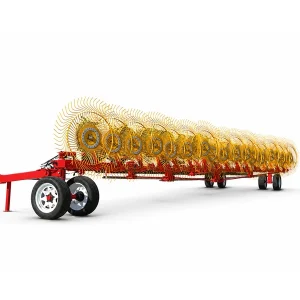
9LZD-9.0 17 Tekerlekli V-Tırmık | 9 m Parmak Tekerlekli Ot Tırmığı
-
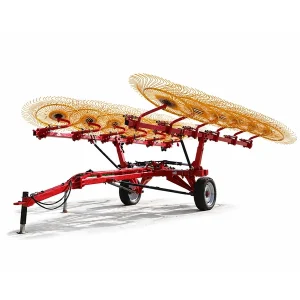
9LZ-6.0 Parmak Tekerlekli Ot Toplama Tırmığı | 12 Tekerlekli Yerden Tahrikli V Tırmığı
-
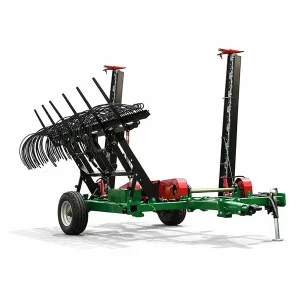
9GL-5.0/5.6 Çekmeli Çim Biçme Makinesi ve Tırmık | 5 m Kesim ve 5.6 m Tırmık Kombinasyonu
-
9LZY-9.0 Parmaklı Tekerlekli Ot Tırmığı
-
9LH-12 Çekmeli Yatay saman tırmığı