Why the Difference Matters: The Cost of Using the Wrong Machine
The difference between a silage baler and a regular baler is not a marketing distinction — it is an engineering reality with immediate financial consequences. A regular baler used on wet silage crops experiences 3 to 5 times higher failure rates on bearings, belts, and pickup components because those parts were designed for the lighter loads of dry hay. The resulting downtime during the narrow baling window costs $500 to $2,000 per breakdown in lost production plus the repair bill. More critically, a regular baler cannot achieve the bale density required for proper anaerobic fermentation, which means the wrapped bales ferment poorly, producing feed that cattle eat reluctantly or refuse entirely.
Conversely, a silage baler used exclusively on dry hay wastes the premium the buyer paid for heavy-duty components that the dry crop does not require. The silage baler still makes excellent dry hay, often better than a standard baler because the extra compression capacity produces tighter bales. But the 20 to 40 percent price premium over a regular baler is unjustified if the machine never touches wet forage. The decision between the two machines depends entirely on what products you make and what moisture range the forage will be at when it enters the baler.
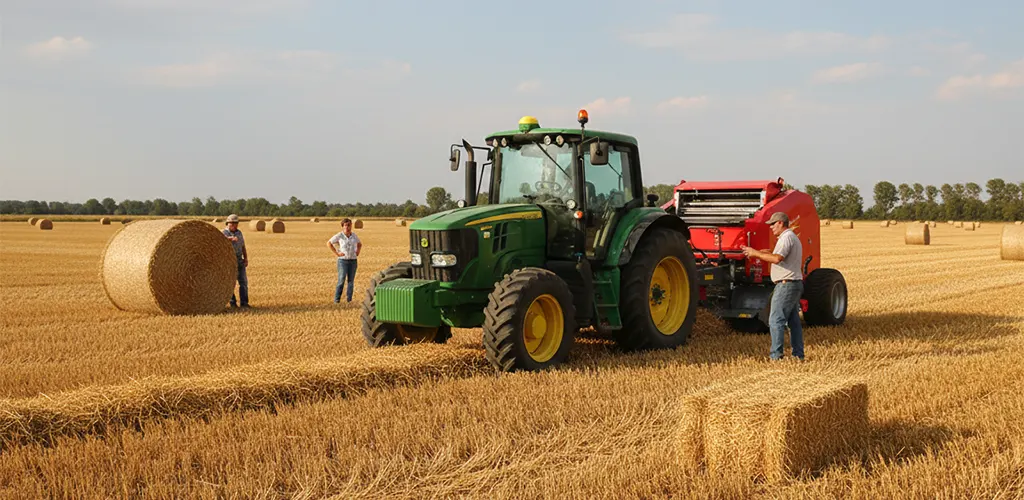
The 12-Point Engineering Comparison
| Specification | Silage Baler | Regular (Dry-Hay) Baler |
|---|---|---|
| 1. Pickup rotor type | Undershot (sweeps up from below) | Overshot (throws over the top) |
| 2. Pickup tine gauge | 8 to 10 mm heavy spring steel | 6 to 7 mm standard spring steel |
| 3. Pre-cut knife system | 14 to 25 knives, engageable | None or optional 4 to 8 knives |
| 4. Feed opening width | 18 to 24 inches | 14 to 18 inches |
| 5. Drop-floor anti-plug | Standard (hydraulic) | Rare or absent |
| 6. Hydraulic density PSI | 2,500 to 3,500 PSI | 1,500 to 2,500 PSI |
| 7. Roller diameter | 6 to 8 inch with spiral scrapers | 4 to 5 inch, smooth or light texture |
| 8. Belt surface | Slick anti-adhesion coating | Standard rubber |
| 9. Bearing rating | Heavy-duty sealed (rated for 2x bale weight) | Standard duty |
| 10. Frame wall thickness | 3/16 to 1/4 inch steel | 1/8 to 3/16 inch steel |
| 11. Machine weight | 5,000 to 8,000 lb | 3,500 to 5,500 lb |
| 12. PTO HP required | 50 to 120 HP | 35 to 75 HP |
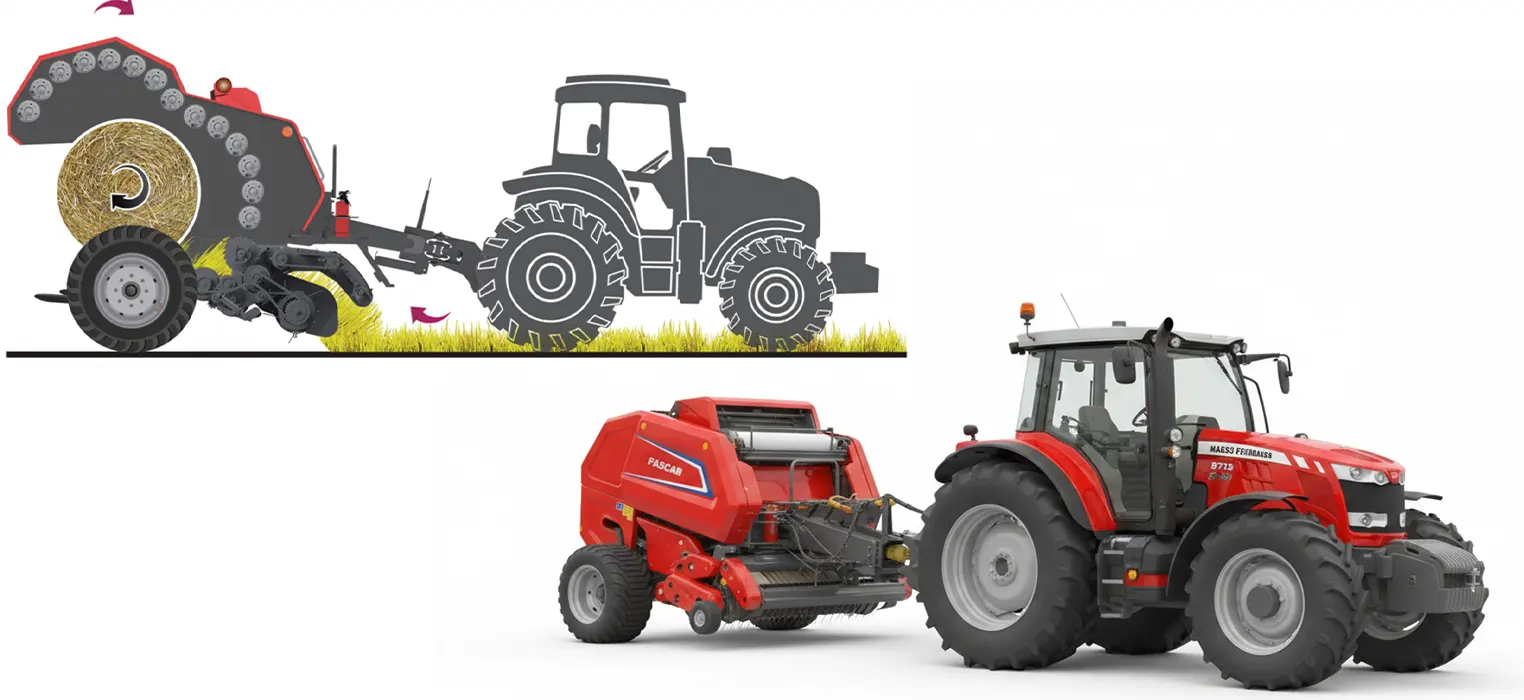
The 5 Differences That Matter Most in the Field
While all 12 differences are real, five of them produce the performance gap that operators experience in daily use. These are the differences you feel through the tractor seat, see in the finished bale, and measure in the forage test.
- Difference 1: Undershot vs Overshot Pickup
An overshot pickup throws crop over the top of the rotor and into the chamber, which works well for light, stiff dry hay but creates a wall of heavy, wet material that cascades back onto the rotor when processing silage-moisture forage. The wet material re-circulates instead of feeding forward, causing plugging and uneven chamber loading. An undershot pickup sweeps the crop upward from below and deposits it directly into the feed channel. Gravity assists rather than resists, and the heavy material flows into the chamber in a continuous stream. In university throughput tests, undershot pickups process 20 to 30 percent more wet tonnage per hour than overshot designs before plugging occurs. - Difference 2: Hydraulic Density — 3,000 PSI vs 1,800 PSI
Bale density is the single most important quality determinant in baled silage. A bale compressed at 3,000 PSI achieves 13 to 14 lb per cubic foot of dry matter, which leaves minimal trapped oxygen for aerobic bacteria to consume before the seal is complete. A bale compressed at 1,800 PSI achieves only 10 to 11 lb per cubic foot, leaving 20 to 30 percent more oxygen trapped inside. That additional oxygen extends the aerobic phase from 24 to 48 hours to 48 to 72 hours, during which aerobic bacteria consume the sugars that lactic acid bacteria need for fermentation. The result is a higher final pH, slower acidification, and a measurably higher risk of clostridial (butyric acid) fermentation. The density difference between 1,800 and 3,000 PSI is the engineering explanation for why regular-baler baleage often smells bad and silage-baler baleage smells sweet. - Difference 3: The Drop-Floor Anti-Plug System
A regular baler forces the operator to stop the tractor, reverse, and manually clear a plug when wet material bridges across the feed opening. Each plug stop costs 3 to 5 minutes and interrupts the bale formation in progress, often ruining the bale core and requiring the operator to eject a partial, low-density bale that ferments poorly. A silage baler’s drop-floor system detects the pressure buildup that precedes a plug and hydraulically lowers the chamber floor by 4 to 6 inches, creating emergency clearance for the material to pass through without stopping. On a heavy first-cut alfalfa windrow at 55 percent moisture, the drop floor activates 3 to 8 times per field, saving 10 to 40 minutes of plug-clearing time and producing 3 to 8 additional properly formed bales that would have been ruined by plug stops on a regular baler. - Difference 4: Slick-Surface Belts vs Standard Rubber
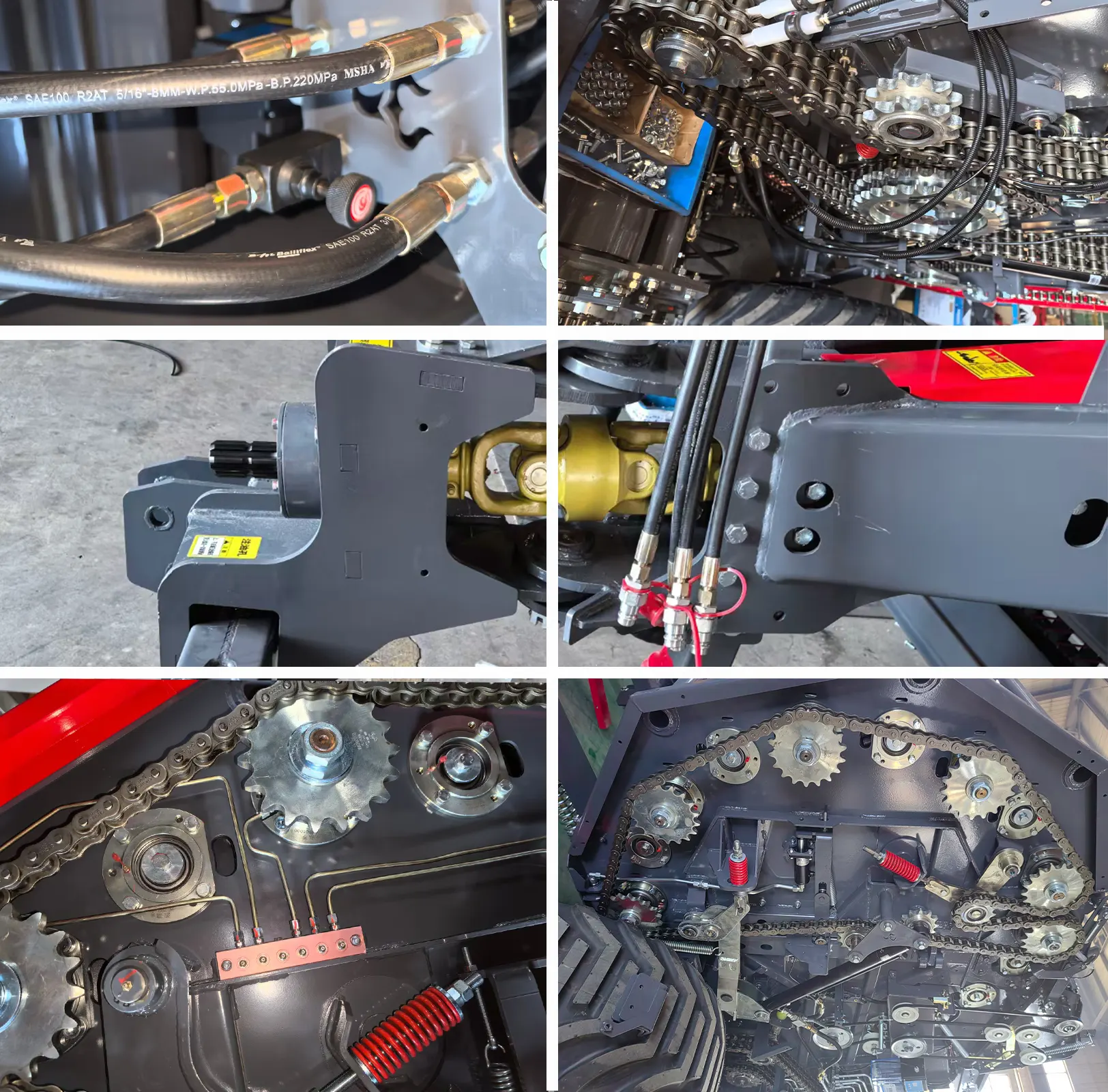
Standard rubber belts on a regular baler develop a progressive buildup of crop adhesion when processing wet forage. After 20 to 30 bales, the inner belt surfaces are coated with a layer of compressed plant material that reduces friction between the belt and the drive roller, causing the belt to slip. Belt slippage means the bale rotates slower, which means it does not compress properly, which means the finished bale is soft and irregularly shaped. Slick-surface belts on a silage baler use a specially formulated low-friction coating that sheds crop material as the belt flexes around each roller, maintaining clean belt surfaces and consistent drive friction throughout a 200-bale session without operator intervention. - Difference 5: Bearing Rating and Service Life
A 4×5 silage bale weighs 1,400 to 1,800 lb. A 4×5 dry-hay bale weighs 800 to 1,100 lb. Every roller bearing in the baler supports the bale weight during the 60 to 90 second formation cycle, rotating under load at 30 to 50 RPM. Standard-duty bearings rated for dry-hay loads reach their fatigue life 2 to 3 times faster when subjected to the 40 to 80 percent greater loads of wet silage bales. Heavy-duty sealed bearings in a silage baler are rated for the higher load from the factory, which means they last the full design life even under continuous wet-crop operation. Replacing a bearing mid-season on a regular baler used for silage costs $60 to $200 per bearing plus 2 to 4 hours of downtime. On a machine with 12 to 18 roller bearings, premature failures can accumulate to $500 to $1,500 per season in unplanned repair costs, which erodes or eliminates the apparent savings from buying the cheaper regular baler.
Cost Comparison: Purchase Price, Operating Cost, and Total Ownership Cost
| Cost Factor | Silage Baler | Regular Baler |
|---|---|---|
| New purchase price | $20,000 to $45,000 | $12,000 to $30,000 |
| Annual repair cost (when used on silage) | $300 to $800 | $800 to $2,500 |
| Expected service life (silage use) | 12 to 18 years | 5 to 8 years |
| Annual depreciation (10-yr / 6-yr) | $2,000 to $4,500 | $2,000 to $5,000 |
| Bale quality (fermentation outcome) | pH 4.0 to 4.5 (target met) | pH 4.8 to 5.5 (often above target) |
| 10-year total cost of ownership | $23,000 to $53,000 | $22,000 to $55,000 + replacement |
The total cost of ownership over 10 years is nearly identical because the regular baler’s lower purchase price is offset by higher repair costs and a shorter service life that requires a mid-life replacement. The operator who buys a $15,000 regular baler and uses it on silage will likely replace it after 6 years ($15,000 again) and spend $800 to $2,500 per year on silage-related repairs. The operator who buys a $30,000 silage baler uses it for 12 to 18 years with $300 to $800 per year in routine maintenance. Over a 12-year horizon, the silage baler costs less in total while producing measurably better bales for the entire period. The regular baler is cheaper only for operators who never intend to bale wet forage — and for those operators, it is the correct and most economical choice.
Maintenance Intensity in Daily Operation
Beyond the cost difference, the daily maintenance burden differs significantly between the two machines when processing wet forage. A regular baler used on silage requires the operator to clean accumulated crop residue from between rollers, behind scrapers, and inside the belt path after every session because the sticky material hardens overnight and causes tracking problems the next day. This cleaning takes 20 to 40 minutes per session. A silage baler’s spiral scrapers and slick belt coatings shed most of the residue automatically during operation, reducing post-session cleaning to 5 to 10 minutes of blowing out loose debris with compressed air. Over a 30-session baling season, the cleaning time difference alone amounts to 7.5 to 15 hours of labor saved — time that the operator can redirect to wrapping, hauling, or starting the next field. The silage baler is designed to be self-maintaining during operation so that the operator’s attention stays on bale quality and forward speed rather than on managing the machine’s inability to handle the crop it is processing.
Decision Framework: Which Baler Is Right for Your Operation?
Buy a Regular Baler When:
- ✔ You produce exclusively dry hay (12 to 18% moisture)
- ✔ Your climate provides reliable 48-to-72-hour drying windows
- ✔ You sell to the horse market where dry hay is required
- ✔ You have no interest in baleage, silage, or wrapping
- ✔ Budget is the primary constraint and mower and rake investment takes priority
Buy a Silage Baler When:
- ✔ You produce baleage for dairy or beef cattle
- ✔ Your climate has frequent rain during the cutting season
- ✔ You want to rescue late-season cuttings as wrapped baleage
- ✔ You produce both dry hay and baleage through the season
- ✔ You serve custom clients who want both dry and wet baling services
- ✔ You want a machine that lasts 12 to 18 years under heavy use
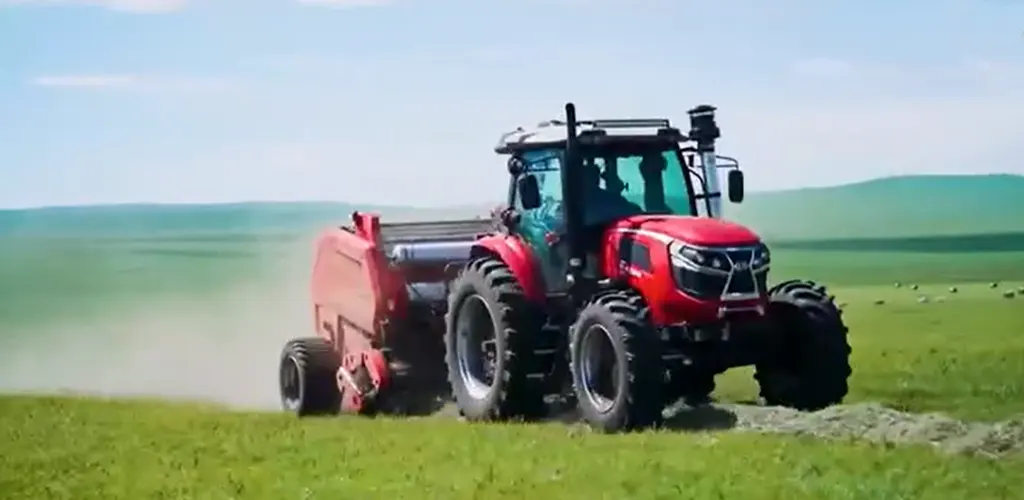
Real-World Scenario Comparison: Same Field, Different Balers, Different Outcomes
To illustrate the practical consequences of the engineering differences described above, consider two operators baling the same 80-acre alfalfa field on the same day at 52 percent moisture. Operator A uses a silage baler. Operator B uses a regular dry-hay baler that he is attempting to use for baleage because his equipment dealer told him “any baler can do silage if you wrap it.”
Operator A: Silage Baler
- ▶ Bales 80 acres in 6.5 hours producing 240 bales
- ▶ Drop floor activates 5 times — zero full stops for plugging
- ▶ Average bale density: 13.2 lb/ft3 dry matter
- ▶ All 240 bales wrapped within 3 hours of baling
- ▶ Forage test at 6 weeks: pH 4.1, CP 20.8%, no butyric acid detected
- ▶ Feed value: $260/ton (Supreme dairy grade)
- ▶ Zero mid-field breakdowns, zero partial bales discarded
Operator B: Regular Baler on Silage
- ▶ Bales 80 acres in 9 hours (plug stops) producing 240 bales
- ▶ Plugs 12 times — each requiring 4-min stop-reverse-clear cycle
- ▶ Average bale density: 10.4 lb/ft3 dry matter
- ▶ Last 80 bales wrapped 5+ hours after baling (lost sugar window)
- ▶ Forage test at 6 weeks: pH 5.2, CP 18.1%, butyric acid 0.8%
- ▶ Feed value: $160/ton (Fair grade, cattle eat reluctantly)
- ▶ 2 roller bearings replaced mid-season ($340 + 3 hours downtime)
On 240 bales averaging 0.5 ton each (120 total tons), the quality difference between $260 per ton and $160 per ton represents $12,000 of feed value lost from a single cutting because Operator B used the wrong baler. Across 3 silage cuttings per season, the cumulative quality loss from using a regular baler on silage reaches $25,000 to $36,000 per year on this 80-acre operation — a loss that exceeds the entire purchase price of a new silage baler within the first season. This is why the equipment choice matters: the baler price difference of $8,000 to $15,000 is a one-time cost, while the feed-quality loss from using the wrong baler is an annual cost that compounds every season the operator continues using inadequate equipment.
The Long-Term Investment Perspective
Farm equipment is a 10 to 20 year investment. The baler you buy today will be forming bales on your farm when your children are helping with chores and when the hay market has shifted in ways that are impossible to predict. The silage baler provides optionality that a regular baler cannot: if the hay market shifts toward baleage (which it has done steadily for the past 15 years as more dairy operations and beef producers in humid climates adopt the practice), the silage baler is ready. If a drought year forces you to salvage crop residues at high moisture, the silage baler handles it. If a customer asks whether you can produce wrapped baleage instead of dry rounds, the silage baler answers yes.
A regular baler answers no to all of those questions. It makes one product at one moisture range and does that one job well. For operations that are certain they will never need wet-crop capability, the regular baler is the correct, economical choice. For any operation where the future includes even a possibility of baleage production, late-season rescue baling, or dual-product service, the silage baler’s premium is the cheapest insurance policy in the equipment shed.
The resale market confirms this value hierarchy. Used silage balers retain 10 to 20 percent higher resale value as a percentage of original price than comparable regular balers at the same age and bale count, because the pool of buyers who want silage capability is growing every year while the pool of buyers limited to dry-hay-only equipment is shrinking. The silage baler is not just a better production tool; it is a better financial asset that holds its value longer in a market that is moving toward wet-forage preservation. Industry data from 2020 through 2025 shows that baleage acres in the US have grown at 8 to 12 percent annually, driven by climate variability that makes dry-hay windows less predictable and by dairy nutritionists who increasingly specify fermented forage over dry hay in their ration formulations.
Choose the Baler Engineered for Your Product
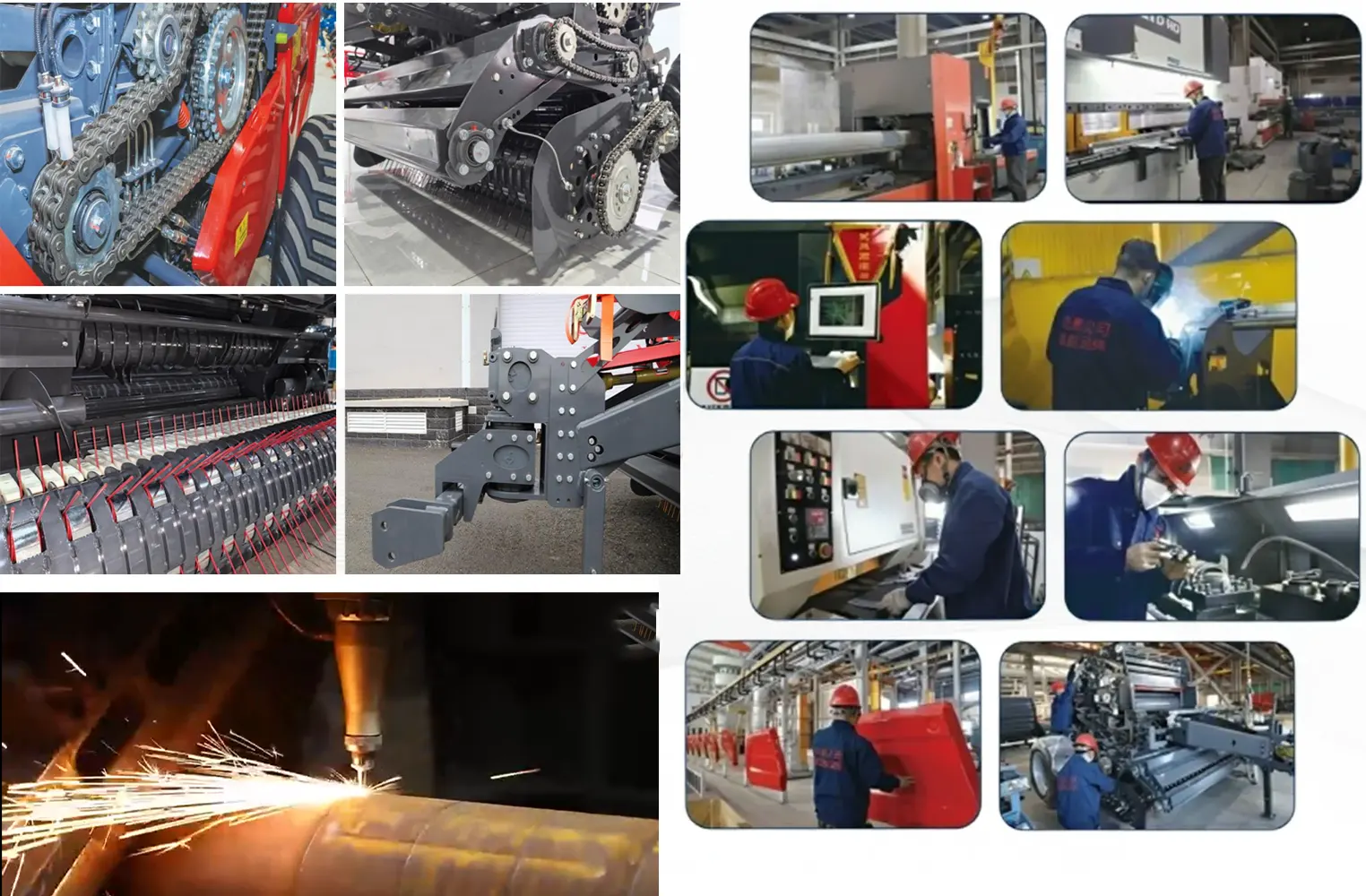
America Ever-Power manufactures silage-grade fixed-chamber round balers with every engineering advantage described in this comparison: undershot pickup, 3,000 PSI hydraulic density, spiral-scraped rollers, slick belts, drop-floor anti-plug, and a heavy-duty frame rated for continuous wet-crop operation. Tell us your forage type and moisture range for a matched recommendation. Dallas, TX parts depot for 3-day delivery.