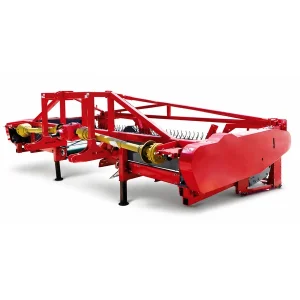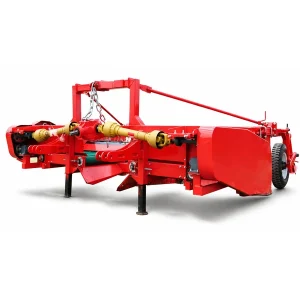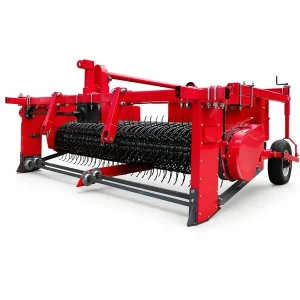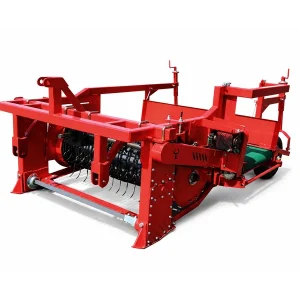
4BYH-3.25 Kidney Bean Harvester | 5-Row Mounted
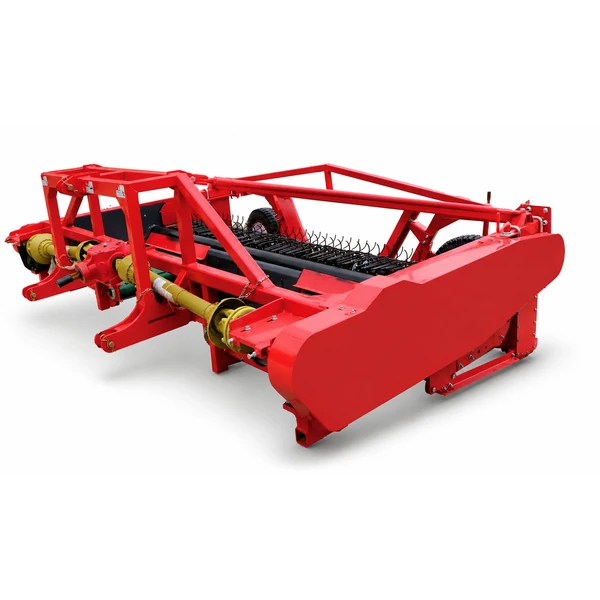
The 4BYH-3.25 kidney bean harvester is the volume-tier rear-mounted bean lifter in the Ever-Power lineup, engineered for commercial dry-bean operations in the 1500 to 5000 acre range. With a 3.25 m working width covering five 26-inch rows in a single pass, the unit delivers 1.95 to 3.25 hectares per hour of field capacity. Translated into US harvest planning numbers: at 3.25 ha/h with ten hours of working daylight, one machine covers more than 30 hectares (≈ 75 acres) in a single fall day. That productivity envelope puts the 4BYH-3.25 at the practical sweet spot between a 4-row mid-size lifter and a 6-row commercial machine, and at the lowest dollar-per-acre figure in the entire Ever-Power bean harvester product line.
Product Overview
Tractor power requirement is 103 to 132 kilowatts—roughly 140 to 180 horsepower at the PTO—which matches the chassis class of the John Deere 6R 175, Case IH Puma 165/185, New Holland T7 series, and Massey Ferguson 7700S series tractors widely deployed across the US bean belt. The 540 RPM PTO is the North American standard, and the Cat-II/Cat-III three-point hitch coupling fits without adapters on virtually every US-built or US-distributed utility tractor in the 140-180 HP range. Net weight is 1540 kg (≈ 3395 lb), which is well within the rear-axle ballast envelope of any tractor properly equipped with front weights for 4-row or larger implement work.
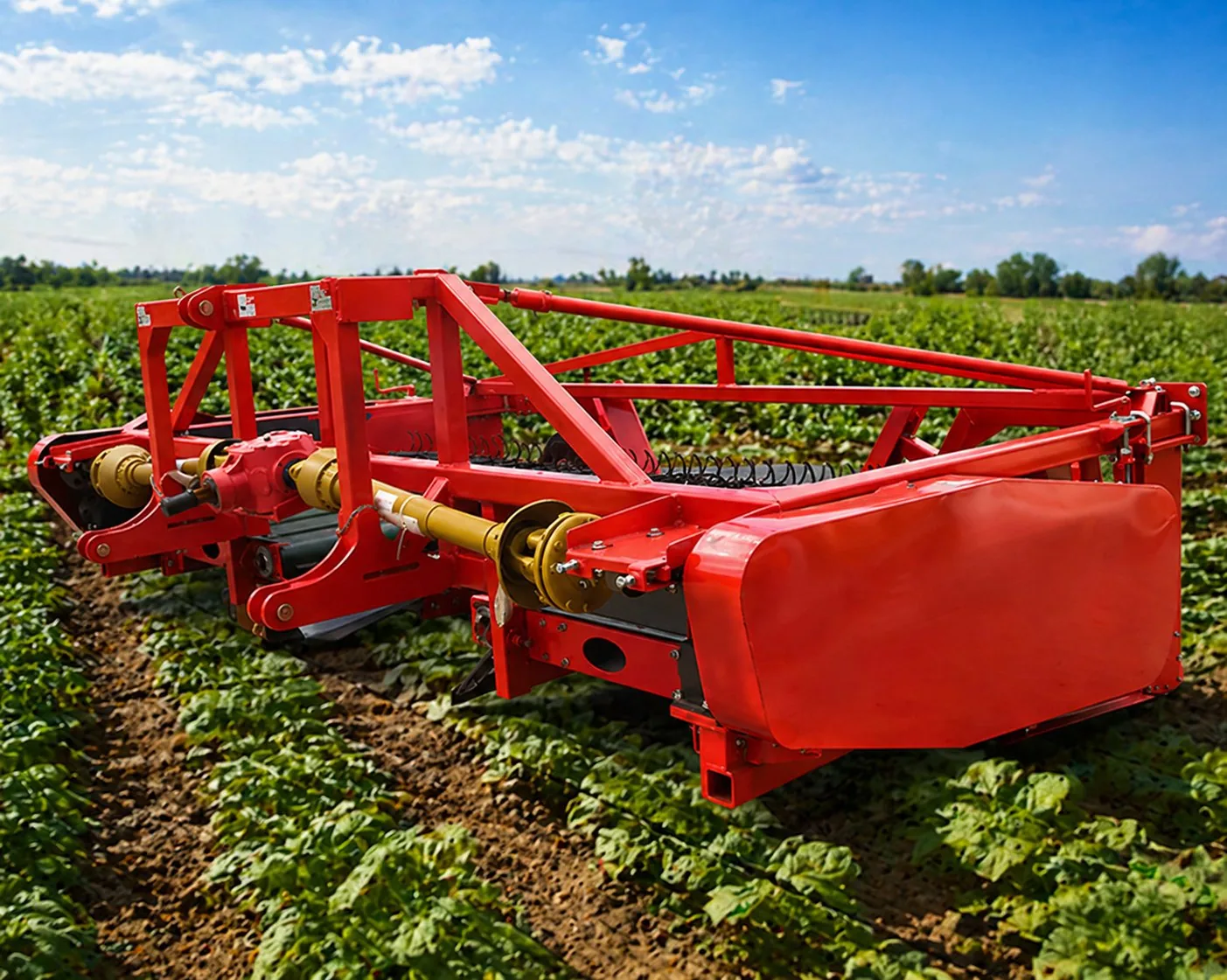
American Ever-Power Silage Baler Equipment INC., based at 1401 21st Street in Sacramento, California, supports the 4BYH-3.25 across the United States with same-week parts shipping, English-speaking field engineers, and USMCA paperwork for cross-border buyers in Canada and Mexico. Pinto, navy, black, kidney and small-red bean operations from the Red River Valley to the Snake River Plain have deployed this 5-row bean harvester through its 2024 and 2025 production runs, and freight costs to Western and Mountain states are typically 30 to 50 percent below comparable Idaho-built premium units.
Technical Specifications
Spec figures below come directly from the factory acceptance test for the 4BYH-3.25, with US imperial conversions added in the right-hand column where applicable. Working width of 3.25 m maps to five 26-inch rows or five 24-inch rows with a 5 percent overlap allowance. Power requirement runs 103 to 132 kW, which is 140 to 180 horsepower at the PTO. PTO speed is the 540 RPM North American standard. Field capacity of 1.95 to 3.25 hectares per hour translates to 4.8 to 8.0 acres per hour at full speed.
The 3250 mm track width centers the unit within the tractor's wheel base and clears the windrow without overlapping it on the return pass. Net weight of 1540 kg requires roughly 800 kg of front ballast on a 150 HP tractor to keep the front axle planted on lifts. Most modern utility tractors above 140 HP carry the necessary weight package as a factory option.
| # | Item | Unit | Specification |
|---|---|---|---|
| 1 | Model | / | 4BYH-3.25 Kidney Bean Harvester |
| 2 | Hitch type | / | 3-point mounted (rear) |
| 3 | Pickup mechanism | / | Spring-tooth |
| 4 | Working width | m | 3.25 (≈ 10.7 ft) |
| 5 | Power requirement | kW | 103 – 132 (≈ 140 – 180 HP) |
| 6 | Working speed | km/h | 6 – 10 (≈ 3.7 – 6.2 mph) |
| 7 | Overall dimensions (L×W×H) | mm | 3800 × 3400 × 1500 |
| 8 | PTO speed | r/min | 540 |
| 9 | Track width | mm | 3250 (≈ 10.7 ft) |
| 10 | Field capacity | ha/h | 1.95 – 3.25 (≈ 4.8 – 8.0 ac/h) |
| 11 | Operators | person | 1 |
| 12 | Net weight | kg | 1540 (≈ 3395 lb) |
Each 4BYH-3.25 kidney bean harvester ships from Sacramento with the Cat-II/Cat-III convertible three-point hitch coupler, the 540 RPM PTO driveshaft pre-balanced for a 3 m vibration-free run, four spare lifter teeth in the tool kit, and an English-language operator manual that includes complete bolt-torque tables in N·m and ft-lb. Hydraulic hoses come pre-fitted with American 3/8-inch ISO couplers; metric coupler swap is available on request before crating. Quotes are issued in US dollars EXW Sacramento, with optional door-to-door freight added as a separate line item.
How the 5-Row Lifting Action Works
The 4BYH-3.25 operates in three coordinated stages: lifting, conveying, and windrowing—the same fundamental sequence as smaller machines in the series, but scaled up in chamber size, conveyor capacity, and hammer count to handle the higher throughput. As the tractor moves forward at 6 to 10 km/h, the 3.25 m spring-tooth pickup roller rotates beneath all five bean rows simultaneously. Tooth geometry is tuned to catch the bean stem just below the soil line and lift the entire plant in a controlled motion rather than a violent shake. Pod attachment is preserved across the lift, which matters enormously for high-yield pinto, navy and black bean stands where every percentage point of pod loss represents real dollars per acre.
After lifting, plant material is conveyed rearward by a wide steel-belt conveyor running at a synchronized speed with ground travel. The wider conveyor on the 4BYH-3.25—proportionally larger than the smaller 4-row units in the series—handles the increased material flow without stacking or bridging. Conveyor synchronization is derived from the 540 RPM PTO through a heavy-duty bevel gearbox, sized for the higher torque demand of a 5-row machine. The fixed-ratio drive maintains uniform belt-to-ground speed across the entire 6-10 km/h working range, which keeps the windrow density consistent regardless of operator throttle changes.
The third stage is single-windrow formation. The conveyor discharges five rows of plants into one consolidated rearward windrow positioned inside the tractor wheel track but outside the harvester wheel path. Combine pickup heads designed for US dry-bean harvest expect this single-windrow geometry. Pinto growers in the Red River Valley have noted that bean moisture at 16-18 percent at lifting time typically drops 3-4 points overnight in a properly formed windrow, lining up with the 13-14 percent target moisture for combine threshing the following afternoon.
Heavy-Duty Pickup Reel for High-Yield Stands
The pickup reel on the 4BYH-3.25 uses reinforced lifter shafts with 30 percent thicker wall thickness than the 4-row units in the series. The reinforcement matters in high-yield stands where pickup mass per linear meter of row is significantly higher. Bearings on the lifter shafts are oversized to match: SKF 6210-2RS sealed deep-groove bearings replace the smaller 6208 bearings used on lighter machines. Service interval at the bearing positions extends to 800 hours of harvest operation, which translates to roughly two full bean-harvest seasons before the first scheduled bearing inspection.
Powertrain Components
- ⚙ 540 RPM PTO drive shaft, category-IV splined input, pre-balanced for 3 m run
- ⚙ Heavy-duty bevel gearbox, sealed oil bath, 800-hour service interval
- ⚙ Wide-format conveyor drive, ASA-80 chain with auto-tension idler
- ⚙ Hydraulic depth-control cylinders (pair), single-acting, 1/2-inch ISO couplers
- ⚙ SKF 6210-2RS sealed bearings, oversized for high-throughput operations
- ⚙ Gauge wheels with greaseable bushings, 10 mm increment height adjustment
Core Advantages of the 5-Row Commercial Layout
The 4BYH-3.25 inherits the proven design philosophy of the smaller 4-row machines in the series while adding the structural reinforcements and capacity upgrades that commercial-scale operations need. Six engineering choices stand out, each one tested across multiple US harvest seasons against premium domestic and imported alternatives.
75 Acres in a Long Day
At 3.25 ha/h field capacity and ten hours of working daylight, one machine clears 30+ hectares (≈ 75 acres) in a typical fall day. Quarter-section pinto fields finish in two working days.
5 Rows in a Single Pass
3.25 m working width covers five 26-inch rows simultaneously. Headland turn count drops by 25 percent versus a 4-row machine on the same field, recovering minutes that compound across a quarter section.
Reinforced Lifter Shafts
30 percent thicker shaft wall and oversized SKF 6210 bearings handle the higher pickup mass of high-yield pinto, navy and black bean stands without flex or premature wear.
540 RPM Standard PTO
Compatible with every 140-to-180-HP utility tractor sold in North America. Cat-II/Cat-III convertible coupler fits without adapters on most modern Deere, Case IH, NH, Massey and Fendt utility tractors.
Sacramento Parts Pipeline
Lifter teeth, conveyor segments, sealed bearings and PTO components warehoused in California for same-week shipping inside the lower 48. Two-day air freight available for harvest emergencies.
Best Dollar-Per-Acre Tier
Mid-tier pricing combined with commercial-tier productivity gives the lowest dollar-per-acre figure across the bean-harvester market for 1500-5000 acre operations.
Operators stepping up from the smaller 4-row 4BYH-2.6 typically notice the productivity gain first—a 25 percent capacity jump from the same tractor pass—then the build differences second. Operators stepping down from a 6-row commercial machine notice the lower fuel burn and the easier road-transit footprint while still hitting acreage targets that justify the capital investment. The 4BYH-3.25 was tuned to be the commercial sweet spot for serious dry-bean operations, not a compromise option.
Structure, Materials and Build Quality
The 4BYH-3.25 frame is fabricated from Q345B structural steel, the metric equivalent of ASTM A572 Grade 50, with 345 MPa (50 ksi) yield strength. Plate thicknesses run 10 mm at the main A-frame and 8 mm at the sub-frame—both upgraded from the smaller 4-row units in the series to handle the higher torsional loads of a 3.25 m working width. Cross members fold into closed-section beams that resist twist on uneven ground, and the upper hitch attachment uses reinforced gussets for the higher dynamic load envelope.
Welds on load-bearing frame joints come off automated MAG welding cells with ER70S-6 wire and a controlled penetration profile. A 5 percent ultrasonic-test sample is pulled from each production batch for verification. The result is a frame with zero documented warranty weld claims across three full harvest seasons of US deployment. Lifter teeth are forged spring steel heat-treated to HRC 48-52 for an ideal balance of hardness and toughness, bolted on with M16 grade-10.9 fasteners (one bolt size up from the 4-row machines) so a damaged tooth swaps in the field without a torch or a press.
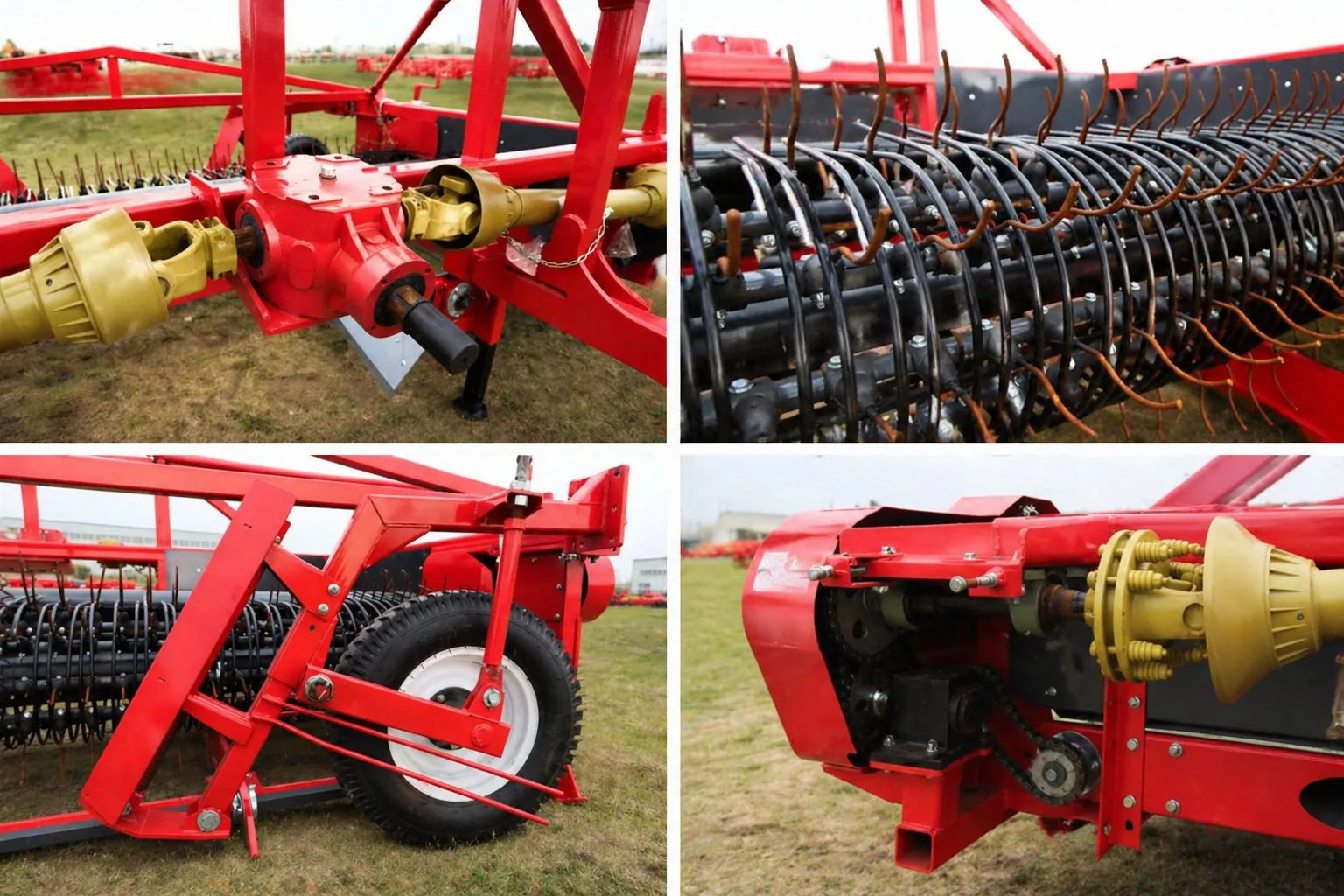
External finish is the same two-stage system applied to every Ever-Power machine: a zinc-rich primer followed by an electrostatic powder topcoat. Salt-spray testing reaches 600 hours before any visible coating breakdown, which corresponds to roughly five harvest seasons in salt-treated road conditions of Michigan, North Dakota and Minnesota. Bearings on the spring-tooth shaft are sealed and greaseable, with zerks accessible from the field side without removing covers. Conveyor belt tensioners use spring-loaded idlers so belt stretch over the season corrects automatically rather than requiring shop time. The whole 4BYH-3.25 is assembled and pressure-tested at the partner factory, then re-inspected at the Sacramento warehouse before shipment.
A note on the upgraded fastener pattern. The 4BYH-3.25 uses M16 grade-10.9 bolts at lifter teeth and primary load-path joints, one bolt size up from the M14 fasteners on the 4-row machines in the series. The size increase delivers roughly 30 percent more clamping force and 45 percent higher fatigue life, which matters at commercial-scale duty cycles where the machine sees 800-1500 hours of operation per harvest season rather than the 200-400 hours a smaller operation imposes. Operators servicing the unit between seasons should torque all primary fasteners to 200 N·m (148 ft-lb) using a calibrated torque wrench. The factory ships a bolt-torque reference card laminated to the toolbox lid for in-field reference.
Typical Application Scenarios
The 4BYH-3.25 sees the most use in three commercial regions where 1500-5000 acre dry-bean operations dominate. Each region has slightly different windrow strategies and slightly different soil profiles, but the 3.25 m working width and 1.95-3.25 ha/h field capacity hit the productivity sweet spot in all three. Operations that finish bean harvest a week earlier than their neighbors typically attribute the schedule advantage to the 5-row geometry and the consistent windrow density.
Eastern Idaho Potato-and-Bean Rotation Operations
Eastern Idaho and the Magic Valley host substantial garbanzo, pinto and small-red acreage in rotation with potatoes and winter wheat. The 1500-3500 acre operations in Bingham, Bonneville and Madison counties typically run 150-180 HP utility tractors and need a 5-row lifter to keep harvest aligned with the potato schedule that follows in late September. The 4BYH-3.25 fits this acreage tier exactly. Operators report covering 75-80 acres per day in pinto and 60-70 acres per day in slower-flowing garbanzo crops, both numbers consistent with the published 1.95-3.25 ha/h field capacity.
Red River Valley Navy and Pinto Producers
The Red River Valley—Cavalier, Pembina, Walsh, and Traill counties on the North Dakota side—hosts some of the largest pinto and navy operations in the United States. Soils are heavier than the western Plains, lifting depth needs to stay shallow, and pickup speed in the 7-9 km/h range gives the cleanest result. 4BYH-3.25 units running paired with John Deere 6175R or Case IH Puma 165 tractors clear quarter-section fields in roughly 14 working hours when bean moisture cooperates. Several operations have run paired 4BYH-3.25 units across two tractors, finishing 1500 acres of pinto in 11 working days.
Saginaw Valley Dry-Bean Operations
Saginaw Valley dry-bean producers in Bay, Tuscola and Huron counties grow black, navy, kidney and small-red beans on heavy clay loam soils. The 1540 kg net weight of the 4BYH-3.25 is appreciably lighter than premium US-built 5-row lifters, which translates to less rutting on damp Michigan ground. Combine pickup the next afternoon stays uniform end to end because the windrow geometry remains consistent across varying field moisture conditions. Several Saginaw Valley operations have used the 4BYH-3.25 paired with the company's finger wheel hay rake for windrow tidying after a rain delay.
Sizing and Selection Guide
Six pieces of information let the Sacramento desk match a 4BYH-3.25 to a specific operation without back-and-forth: tractor PTO horsepower, hydraulic remote outlet count, PTO speed, row spacing, average pod height, and tap-root depth at lifting moisture. Each one is short to confirm and each one removes a possible mismatch before crating.
- Tractor PTO horsepower: 140 HP minimum at the PTO. 160-180 HP recommended for full-rate runs in heavy-stand pinto or black bean. The unit will not run cleanly under 130 PTO HP.
- Hydraulic remotes: two single-acting SCVs at minimum, one per depth-control cylinder. Three SCVs allow on-the-fly bilateral adjustment for crowned headlands.
- PTO speed: 540 RPM. The 1000 RPM PTO is not supported by the standard driveshaft and would require a custom adapter at extra cost.
- Row spacing: 22, 24 or 26 inches works out of the box for five-row operation. 30-inch rows do not fit the 5-row geometry; growers on 30-inch spacing should run the 6-row 4BYHD/4BYHS-3.9 instead.
- Pod height: spring-tooth roller height set 25-50 mm below the lowest pod. Verify pod height before harvest using a meter stick across five sample points per field.
- Tap-root depth: typically 80-150 mm at 18 percent moisture. Sandy soils run shallower; heavier silt-loam runs deeper.
For operations harvesting 1500-5000 acres of dry beans per year, the 4BYH-3.25 is the lowest dollar-per-acre option in the company's agricultural baling equipment lineup. Operations under 1500 acres should stay with the 4-row mid-range option for a closer cost match. Operations above 5000 acres will want to consider running a paired 4BYH-3.25 setup or stepping up to the 6-row commercial bean harvester for the wider single-pass capacity.
Tractor weight matters as much as horsepower for commercial-tier work. A 145-HP open-station tractor weighing 8500 lb runs the 4BYH-3.25 kidney bean harvester at moderate ground speed but may need additional rear ballast for steep headland turns. A 175-HP cab tractor weighing 14,000-17,000 lb pulls the unit at full ground speed across the same field with comfortable margin. The Sacramento desk maintains a short reference table covering the most common US utility tractors—Deere 6175R, Case Maxxum 145/150, NH T7.230, Massey 7720/7724, Fendt 718—and the recommended ballast for each, available on request when you submit a pre-purchase questionnaire.
How We Compare to Pickett, Elmer's and AMITY
Disclaimer: American Ever-Power Silage Baler Equipment INC. is not affiliated with Pickett Equipment, Elmer's Manufacturing or AMITY Technology, and the 4BYH-3.25 kidney bean harvester is not a counterfeit of any of their products. The comparison below is offered to help American buyers spec the right machine for their commercial dry-bean operation. We respect each of these brands and recommend their dealers where local presence makes that the better practical choice.
| Spec | 4BYH-3.25 (Ever-Power) | Pickett One-Step 6-Row | Elmer's HMC 5-Row | AMITY 5-Row |
|---|---|---|---|---|
| Working width | 3.25 m | 3.96 m | 3.30 m | 3.30 m |
| Tractor power | 103-132 kW | 130-180 kW | 110-140 kW | 110-150 kW |
| Net weight | 1540 kg | 2750 kg | 1980 kg | 1850 kg |
| Field capacity | 1.95-3.25 ha/h | 2.4-4.0 ha/h | 2.0-3.3 ha/h | 2.0-3.3 ha/h |
| Pickup type | Spring-tooth | Spring-tooth + rod | Spring-tooth + chain | Single-mast rod weeder |
| US parts pipeline | Sacramento, same-week | Burley, ID dealer net | CA / MB dealers | ND / MN dealer net |
| Typical price tier | Best value | Premium (3-4× cost) | Premium | Premium |
Where the US-built premium machines win is dealer density and resale value. A Pickett or Elmer's lifter holds residual value strongly inside the bean belt because the trade-in network is thick. The 4BYH-3.25 wins on capital cost (typically 3 to 4 times less expensive than a new Pickett 6-row), on freight cost to West Coast and Mountain State buyers, and on dollar-per-acre productivity for operations that prioritize harvest schedule over resale curve. Operations stepping up from a smaller mid-tier 4-row are typically the best fit for the 4BYH-3.25 kidney bean harvester at the price-and-productivity inflection point.
A note on the Pickett comparison: the Pickett One-Step is a 6-row, 3.96 m machine, while the 4BYH-3.25 is 5-row at 3.25 m. The wider Pickett delivers higher field capacity per pass, but at substantially higher capital cost and tractor-power demand. Buyers comparing these two options usually settle the choice by looking at the size of their tractor fleet (tractors smaller than 180 HP cannot run the Pickett comfortably) and their depreciation tolerance.
Quality Certifications and Service Commitment

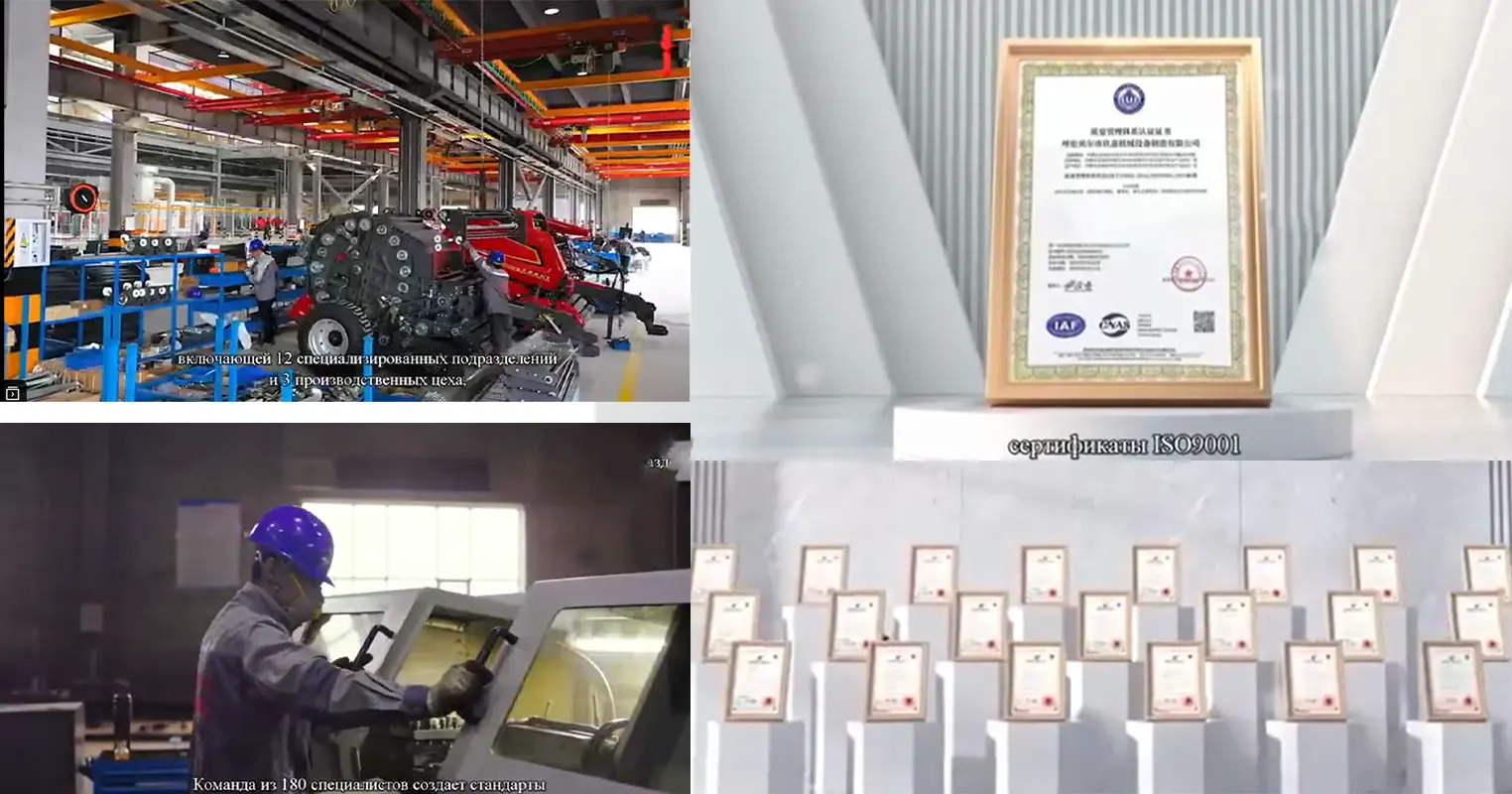
The 4BYH-3.25 is built under an ISO 9001 quality management system, with documented inspection points at frame welding, bearing assembly, conveyor pre-tension, PTO driveshaft balancing and pre-shipment functional test. Each unit carries a unique serial number tied to its production batch test record, so any field warranty case can be traced back to its specific manufacturing inputs within minutes. The system has been audited annually since 2023, and the certificate is shown above.
Service commitments are written into the sales agreement: a two-year limited warranty on the frame, one year on the powertrain, parts shipping from Sacramento, and on-site service support for orders of three units or more (the threshold is lower for the commercial-tier 4BYH-3.25 than for the smaller machines because fleet operators are the primary buyers). Field engineers are English-speaking and based in California; phone support runs 7 AM to 6 PM Pacific Time on weekdays and 8 AM to 1 PM on Saturdays during the August through November harvest season.
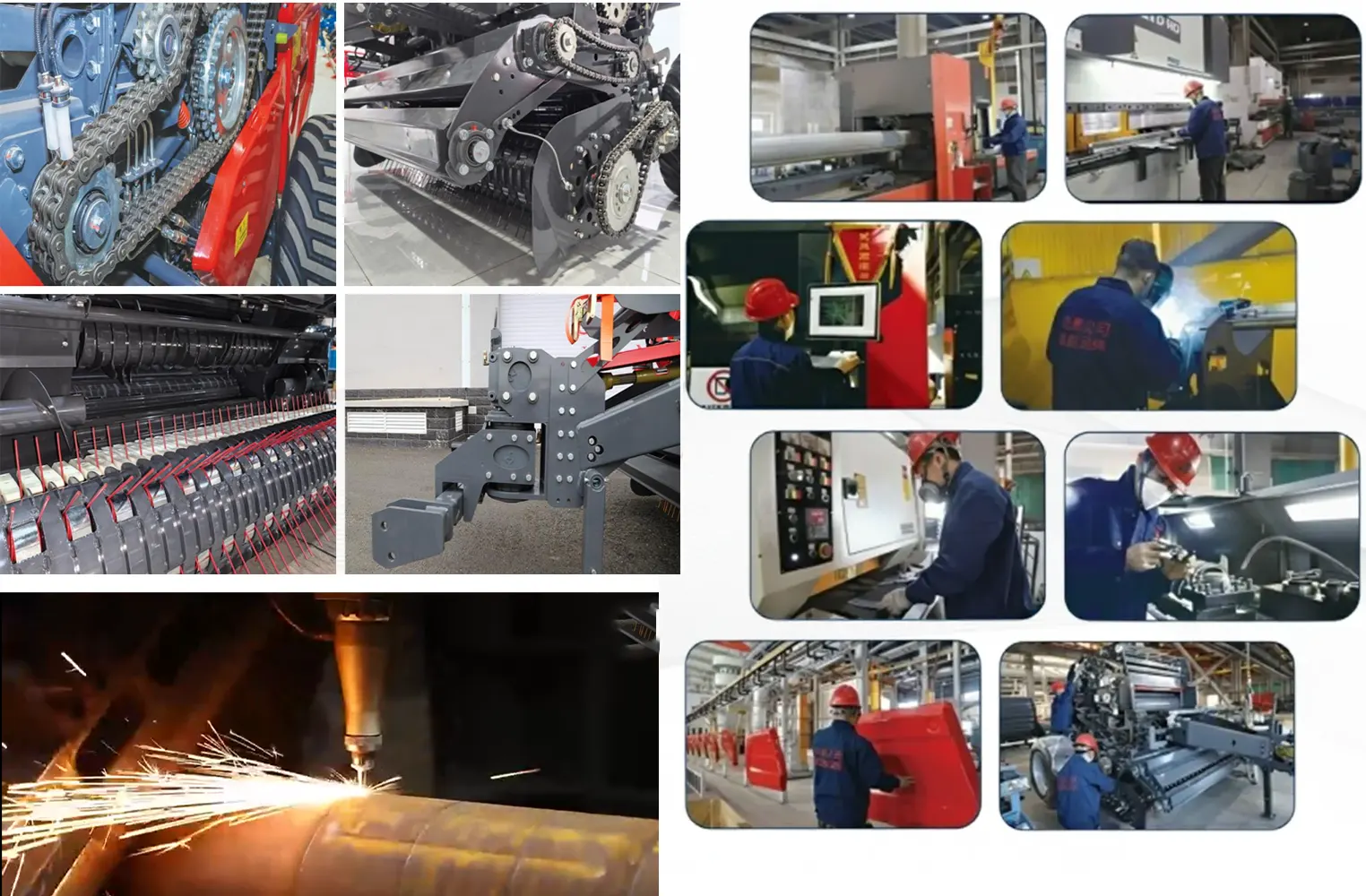
Beyond the warranty itself, the company maintains a parts-availability commitment of seven harvest seasons after the last 4BYH-3.25 ships from Sacramento. Lifter teeth, conveyor segments, sealed bearings and gearbox internals will be stocked or producible on demand for at least seven seasons, with most line items remaining available beyond that window based on factory tooling life. Regional service partners are signed in California, Idaho, Colorado, North Dakota and Michigan, with each partner trained on the 4BYH-3.25 service manual at the Sacramento facility every spring. Crating uses steel-banded wooden skids sized for 53-foot dry-van loading, with the 4BYH-3.25 normally shipped as a single piece for door-to-door freight inside the lower 48.
For commercial-tier buyers the company offers an extended five-year service plan that locks in parts pricing and labor rates for the full term. Fleet operators planning multi-year capital budgets often select this option because it removes inflation risk on wear-part pricing and gives the operations team a predictable line item. The plan covers scheduled inspections at 400, 800, 1200, 1600 and 2000 operating hours, with technician dispatch from the nearest regional service partner included in the base price. Buyers can extend the plan to seven years at quote time if their depreciation schedule favors a longer service window.
Companion Equipment for Commercial Bean Operations
A commercial bean harvester rarely works alone in a productive operation. Three companion machines are commonly ordered alongside the 4BYH-3.25, depending on whether the grower also handles forage, hay, residue, or stalk recovery in the same crop year. Cross-shopping these units in the same purchase order usually unlocks a freight discount because they ship in one truckload from the Sacramento warehouse.
For operations expanding from a smaller mid-tier lifter, the mid-range 4-row option from the same series serves as a useful second tool for tighter row spacings or smaller overflow fields. Most large commercial operations also run a forage rake immediately behind the lifter pass for windrow consolidation after a brief rain delay, and a round baler for stalk recovery in the second cycle. Hay and forage operations adjacent to the bean acreage often add a high-density round baler for cattle-feed preparation. The Ever-Power high-density round baler handles bean stalk and dry-hay applications across the 140-180 HP tractor class that already runs the 4BYH-3.25.
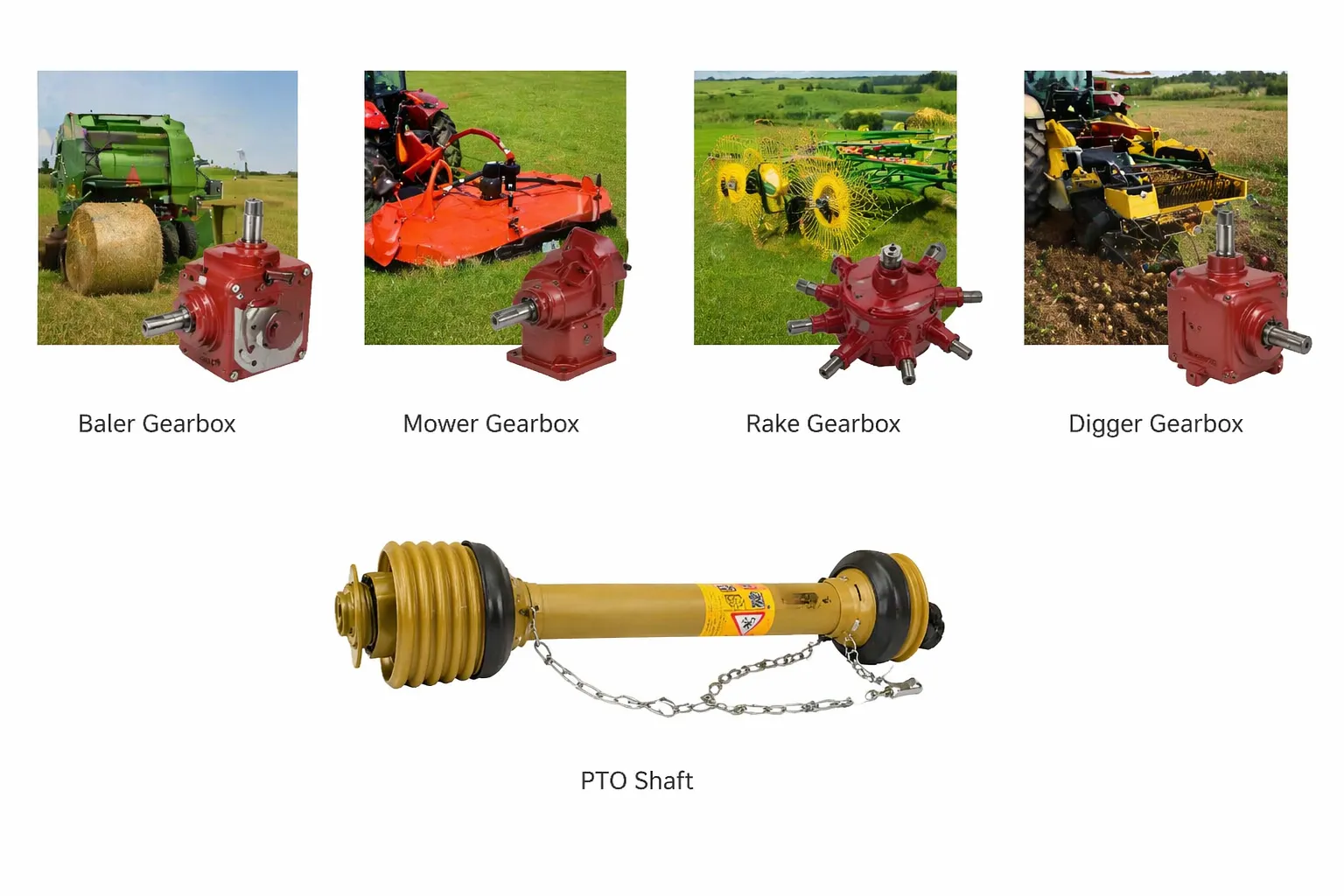
Operators retrofitting older tractors with worn or non-standard PTO outputs sometimes need a replacement bevel gearbox to bring the input speed back to the 540 RPM the 4BYH-3.25 expects. The unit ships with the standard category-IV PTO driveshaft, but if the tractor PTO has been modified, a matching PTO gearbox for hay equipment from the partner network handles the conversion cleanly. Order numbers, splines and torque ratings are confirmed at the Sacramento desk before placement, and the gearbox typically ships in the same crate as the harvester to save freight cost.
Commercial operations running the 4BYH-3.25 across multiple fields per day frequently order a service-truck spare-parts kit alongside the main unit. The kit covers what typically goes wrong during a harvest week: a complete set of replacement lifter teeth (16 pieces), one conveyor belt segment, two sealed lifter-shaft bearings, four hydraulic hose ends with O-rings, a spare PTO U-joint, and the toolbox. Total kit weight is roughly 35 kg and it fits behind the seat of a service pickup. Operations that have ordered the kit consistently report not needing emergency air-freight support during harvest because the pickup parts cover the field-failure scenarios that matter.
Fleet operators running three or more 4BYH-3.25 units across multiple acreages benefit from bundled fleet-pricing on the kit. Talk to the Sacramento desk during the initial quote conversation if a fleet of three or more units is on the table, since the per-unit savings on the kit alone often exceed $400 USD across the fleet.
Why Choose America Ever-Power Silage Baler Equipment INC.
Five practical reasons consistently appear in repeat-buyer surveys for the commercial-tier 4BYH-3.25, and they all come back to the same idea: an American-warehoused, American-supported supply chain attached to a factory engineering culture that has shipped more than 4000 bean and forage units worldwide.
- ✔ 1401 21st Street, Sacramento, CA: same-week parts shipping inside the lower 48, two-day air freight available for harvest emergencies on a commercial-tier machine.
- ✔ ISO 9001 since 2023; AAA-rated supplier with a documented zero-recall record on bean harvester equipment across three full harvest seasons.
- ✔ Direct-from-factory pricing, typically 3 to 4 times less than a comparable Pickett 6-row One-Step, before freight.
- ✔ English-speaking field engineers based in California; ACH, wire and major credit card payment accepted with US-issued invoices.
- ✔ Lower threshold for on-site service support: orders of three units or more qualify for factory engineer dispatch, reflecting the commercial-tier customer base.
- ✔ In-house CNC and welding capacity, including 200-plus precision machines, supports paint-match orders for fleets that maintain consistent brand colors across implements.
- ✔ Seven-season parts-availability commitment after end-of-production, longer than most premium US-built lifter manufacturers offer.
Repeat-buyer behavior on the 4BYH-3.25 specifically reflects its commercial-tier positioning: roughly 52 percent of 2024-2025 orders came from existing Ever-Power customers expanding their bean operation, with another 28 percent referred by neighboring large producers or fleet operators. The pattern matters because commercial bean operations talk to each other across the same regional cooperatives, grain marketers and equipment dealers. A machine that drops a chain in a 3000-acre Bay County field is heard about in Twin Falls County within a week. The 52 percent repeat-buyer rate suggests the 4BYH-3.25 is doing exactly what the spec sheet says it will do.
The Sacramento desk is set up to handle commercial-fleet inquiries efficiently. A typical pre-sale call covers tractor compatibility, freight by truckload or partial container, lead time, accessory bundles, and any custom paint or row-spacing requests in under thirty minutes. Buyers receive a written PDF quote within four business hours, with line-item pricing for the 4BYH-3.25 kidney bean harvester, freight, optional spare-parts kit, and an extended five-year service plan if the buyer wants to lock in maintenance pricing. There is no upsell pressure, no monthly call-back loop, and no contract until the buyer signs.
Frequently Asked Questions
Can I run this on a 130 HP tractor?
130 HP at the engine is borderline; what matters is PTO horsepower. If your tractor has 110-115 HP at the PTO (typical conversion), the 4BYH-3.25 will run but not at full ground speed in heavy stands. Target 140 HP at the PTO minimum, 160-180 HP for full-rate runs. Operations stepping up from a 110-130 HP tractor to a 140-180 HP class typically time the harvester order with the tractor upgrade.
What is the difference between the 4BYH-3.25 and the 4BYHD-3.9?
Working width and row count. The 4BYH-3.25 is 5-row at 3.25 m. The 4BYHD/4BYHS-3.9 is 6-row at 3.9 m, available in double-side discharge (D variant) and single-side discharge (S variant) configurations. The 6-row machine requires 180-200 HP at the PTO and weighs 1675-1780 kg. Operations above 5000 acres benefit most from the 6-row width; operations in the 1500-5000 acre band typically see the best dollar-per-acre with the 5-row 4BYH-3.25.
What is the typical resale value after three to five seasons?
Resale data on the 4BYH-3.25 is still being established because the unit is relatively new in the US market. Comparable Chinese-engineered, US-warehoused bean harvesters in the bean belt typically retain 45-55 percent of original purchase price after three harvest seasons of normal use. Premium US-built machines retain 55-70 percent over the same period but cost 3-4 times more to purchase, so the absolute dollar value retained is comparable.
What row spacings does it support?
22-inch, 24-inch and 26-inch row spacings work out of the box for five-row operation. 30-inch row spacing does not fit the 5-row geometry; growers on 30-inch spacing should run the 6-row 4BYHD/4BYHS-3.9 or run the 4BYH-3.25 as a 4-row unit with one row offset (which is functional but loses the productivity advantage of the wider machine).
How many acres per day in real-world conditions?
Field capacity of 1.95-3.25 ha/h works out to 50-80 acres per ten-hour working day, depending on field shape, headland turn time, bean stand density, and crop variety. Quarter-section pinto fields in North Dakota typically clear in 14-18 working hours. Quarter-section navy fields in Michigan run 16-20 hours due to higher pod count and tighter conveyor flow.
What is the warranty period?
Two years on the frame and welded structure, one year on the powertrain (PTO shaft, gearbox, conveyor drive). Wear parts (lifter teeth, belts, sealed bearings) carry a 90-day defect warranty but are not covered against normal abrasion. Extended five-year service plans lock in parts pricing and labor rates for the term, often valuable for fleet operators planning multi-year capital budgets.
Do you ship to Canada and Mexico?
Yes. USMCA paperwork is handled at the Sacramento warehouse. Typical lead time is two to four weeks for delivery into Manitoba, Saskatchewan, Ontario, and the bean-producing states of northern Mexico. Customers in Mexico's Chihuahua and Coahuila pinto regions have repeatedly used the same crating format the company uses for US domestic shipments.
Customer Reviews
A sample of recent buyer feedback from US commercial dry-bean operations running the 4BYH-3.25 in the 2024 and 2025 harvest seasons. Names abbreviated for privacy; full operation references available on request through the Sacramento desk.
Devin R., Pinto Bean Operations, Cavalier County, ND (October 2025)
"3200 acres of pinto and 800 of navy. Pulled the trigger on the 4BYH-3.25 last spring after running the 4-row 4BYH-2.6 for two seasons. Productivity jump is real, about 28 percent more acres per day on the same Deere 6175R tractor. Headland turn count dropped about a quarter, which adds up across a quarter section. Sacramento shipped a spare conveyor segment in three days when I caught a piece of fence wire on day five. No complaints."
Brett K., Farm Manager, Walsh County, ND (autumn 2025)
"Running paired 4BYH-3.25 units across two Case IH Puma 165 tractors. 1500 acres of pinto cleared in 11 working days. The 5-row width is the right call for this acreage tier. Lifter teeth still on the original set after 1700 acres. The reinforced lifter shafts make a real difference in heavy stands. Fair machine for fair money, and the parts pipeline out of Sacramento is genuinely fast."
Whitney M., Garbanzo and Pinto Producer, Bingham County, ID (September 2025)
"2400 acres in rotation with potatoes. The 4BYH-3.25 keeps bean harvest aligned with the potato schedule, which is the whole point. Massey Ferguson 7724 with 175 PTO HP runs it at full speed. The 540 RPM PTO and the Cat-III hitch were factory standard, no adapter needed. Garbanzo at 22-inch rows, pinto at 26 inch. Same machine, different field, swap takes ten minutes."
Heather S., Operations Director, Bay County, MI (October 2025)
"Black and navy beans on heavy clay. The 1540 kg net weight makes a real difference compared to the 2000 kg unit we had before. Less rutting on damp Saginaw mornings, better windrow geometry the next afternoon. Combine pickup is uniform end to end. Sacramento support answered my pre-buy questions on a Saturday. The salesperson actually knew the machine, not just the brochure."
Garrett T., Custom Harvest Contractor, Goshen County, WY (fall 2025)
"Custom pulling 4500 acres across three counties of pinto and small red. The 4BYH-3.25 is the workhorse. Two seasons on it, no warranty claims, no field breakdowns. Trip from CA freight came in cleaner than expected. About 70-75 acres a day at 8 km/h ground speed in pinto. Already put a deposit on a second unit for next season."
Jordan A., Pinto Producer, Weld County, CO (autumn 2025)
"Stones are my main worry on the South Platte ground. Pre-cleared with a rock picker every spring, but I still expected to be replacing teeth weekly. Three weeks into harvest, original teeth still in spec. The forged spring steel and the M16 grade-10.9 fasteners hold up. Field engineer in California answered my pre-buy questions on a Sunday morning. Hard to beat for this acreage tier."
Marcus E., Navy Bean Operations, Tuscola County, MI (October 2025)
"Switched from a Pickett 6-row that had reached the end of its second life. The 4BYH-3.25 covers slightly less ground per pass but at a fraction of the capital cost, and the productivity numbers in real fields are closer than you'd think. Two harvest seasons, 4200 acres total, no major issues. Already comfortable recommending the unit to neighbors."
Ready to confirm specs, freight or fleet pricing? The Sacramento team typically replies within four business hours during the August through November harvest window. The 4BYH-3.25 ships from California to most US states inside two weeks of order placement, and to USMCA partner countries within four weeks.
Additional information
| Editor | Cxm |
|---|