Three Mowing Architectures Serve Three Different Goals
The mower is where the entire hay harvest begins, and the cutting method you choose ripples forward through every downstream step — drying time, raking quality, bale density, and ultimately feed value at the lab. The question of mower conditioner vs disc mower (and where the sickle bar fits) is not about which design is “best” in the abstract. It is about which one protects what your buyer values most.
A dairy buyer paying $220 per ton for premium alfalfa cares about leaf retention and protein. A cattle rancher buying grass hay at $120 per ton cares about volume and price. A horse-hay producer cares about dust-free purity and clean stems. Each buyer’s priority points toward a different hay mower architecture.
Disc Mower — Speed and Capacity for Broadacre Operations
How It Cuts
Multiple hardened steel discs rotate at 2,800 to 3,200 RPM, each carrying 2 to 4 replaceable blades. The sheer rotational speed slices stems on impact rather than shearing them against a fixed ledger. The result is fast, aggressive cutting that clears 8 to 12 acres per hour on a 9 ft head — roughly twice the throughput of a sickle bar at the same width.
Best For
- 🚜 Farms over 200 acres where speed determines whether you finish inside the weather window
- 🌾 Grass hay operations where leaf retention is less critical than throughput
- ⚡ Silage cutting where the crop is baled wet and leaf shatter is minimal
Trade-off: The high-speed impact fractures alfalfa stem ends rather than cutting cleanly, which can slow initial drying by 6 to 8 hours compared to a conditioned cut. The fractured surface seals over faster than a crushed stem, trapping moisture inside. On grass hay, this effect is minimal — on alfalfa in humid climates, it matters.
Sickle Bar Mower — The Cleanest Cut for Premium Markets
How It Cuts
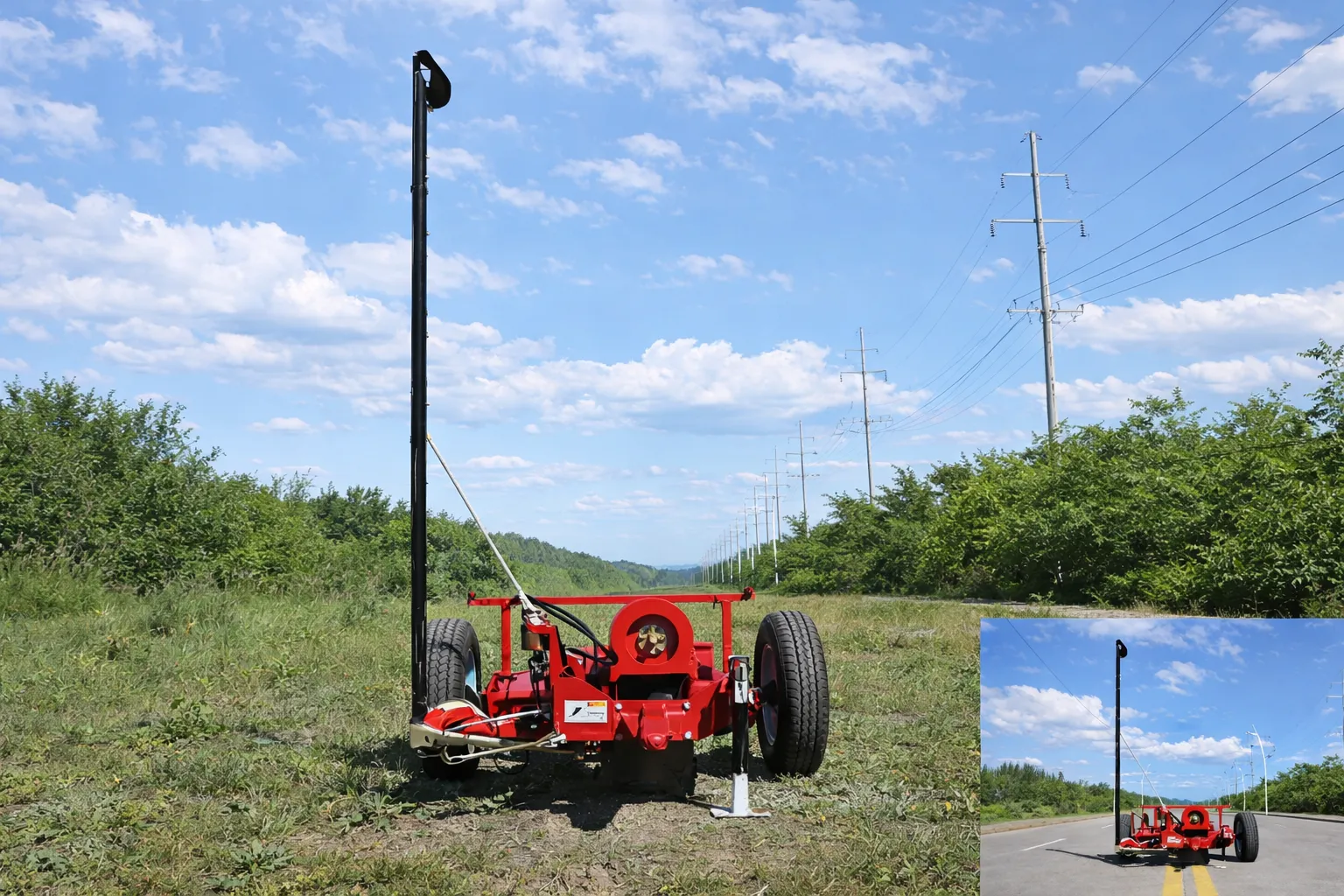
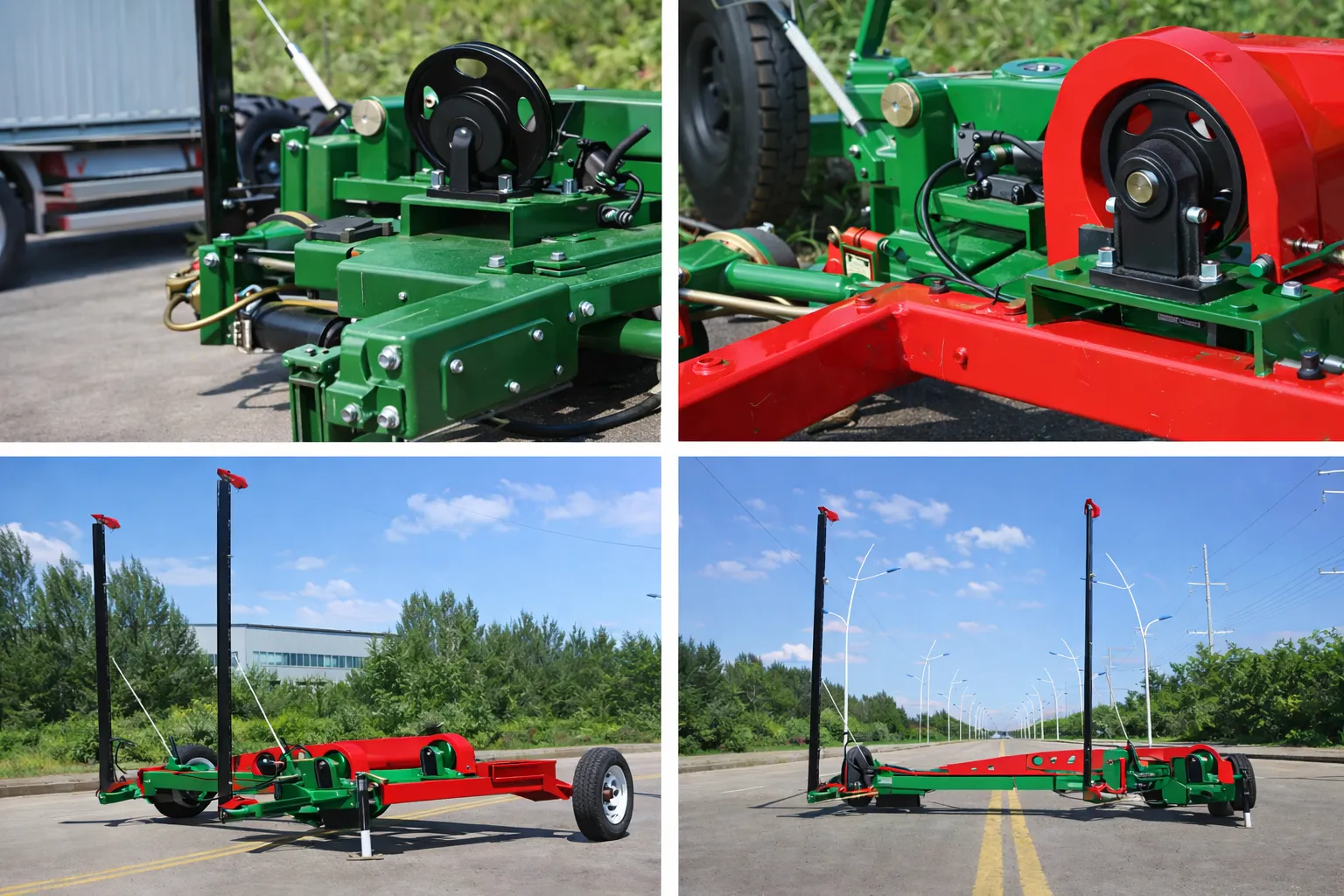
A horizontal knife bar oscillates back and forth at 1,000 to 1,200 strokes per minute, shearing each stem against a fixed ledger plate — the same scissor-action principle that barbers use. The cut is the cleanest of any mower architecture: stem ends are smooth and open, which promotes the fastest possible moisture loss from the exposed vascular tissue and the fastest regrowth from the undamaged plant crown.
Best For
- 🐴 Horse-hay producers who need dust-free, stem-intact bales
- 🌿 Certified organic operations where regrowth speed and stand longevity matter
- 🏡 Small farms under 100 acres where the lower field speed is not a bottleneck
Regrowth advantage: University of Wisconsin research shows that a clean scissor-cut heals faster and produces measurably taller regrowth within 14 days compared to a fractured disc-mower cut. On a 4-cutting alfalfa rotation, faster regrowth means 2 to 4 extra days of growing time per cutting — which can add 0.1 to 0.2 tons per acre over the season.
Mower Conditioner — Crushing Stems to Accelerate Drying
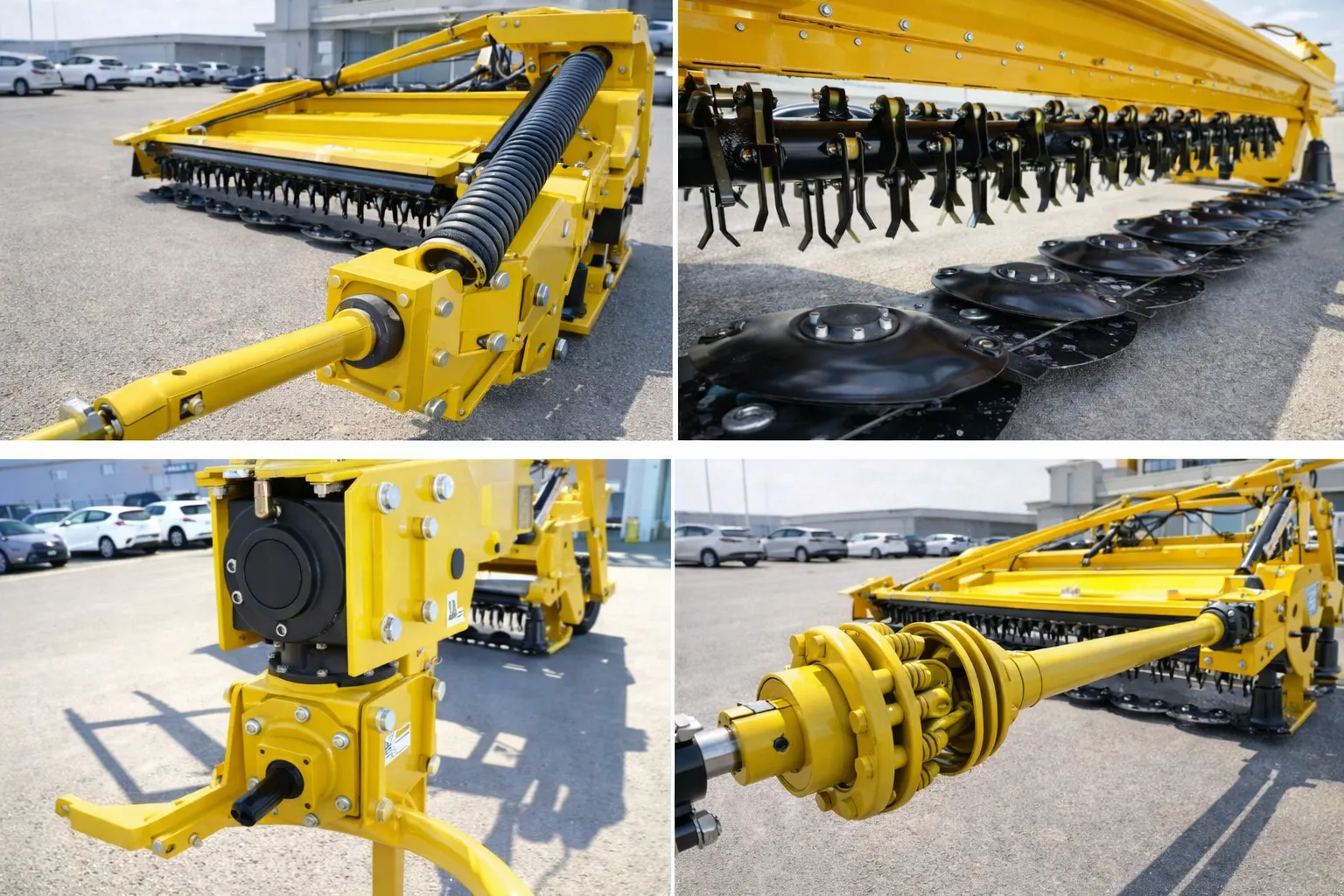
A mower conditioner is not a third mower type — it is a disc or sickle mower with conditioning rollers mounted directly behind the cutting head. After the crop is cut, it passes immediately through a pair of rubber, steel, or intermeshing fluted rollers that crack and crimp the stems. This mechanical damage breaks the waxy cuticle layer that otherwise seals moisture inside the stem, allowing water to escape 20 to 30 percent faster than from an unconditioned swath.
🔄 Rubber Roller Conditioning
Two rubber rollers press and bend the stems without fully crushing them. Gentler on leaves. Preferred for alfalfa destined for dairy markets where leaf retention affects the price.
⚙️ Steel Fluted Conditioning
Intermeshing steel flutes crack stems more aggressively. Fastest drying but higher leaf detachment. Best for grass hay and silage where leaf loss is less of a financial penalty.
The conditioning advantage is measured in hours saved between mowing and baling — hours that determine whether your windrow hits the round baler pickup before rain arrives. Purdue Forage Field Guide data shows that conditioned alfalfa at 80°F and 60% RH reaches 20% baling moisture roughly 8 to 12 hours faster than unconditioned alfalfa under the same conditions. In the Midwest’s unpredictable May weather, those 8 hours can be the difference between dry bales and a rained-on windrow.
Drying Speed Comparison — Hours From Mowing to 20% Baling Moisture
This is the metric that drives most purchase decisions in humid climates. The table below uses Purdue and UW Extension field data for first-cut alfalfa at typical Midwest May conditions (78°F, 60% RH, moderate wind).
| Mower Type | Hours to 20% MC (without tedding) |
Hours to 20% MC (with tedding) |
Time Saved vs Unconditioned Disc |
|---|---|---|---|
| Disc mower (no conditioner) | 48–60 hr | 36–44 hr | Baseline |
| Sickle bar (no conditioner) | 44–54 hr | 32–40 hr | 4–6 hr faster |
| Disc + rubber conditioner | 36–46 hr | 26–34 hr | 10–14 hr faster |
| Disc + steel flute conditioner | 32–42 hr | 24–30 hr | 12–18 hr faster |
Conditions: first-cut alfalfa, 78°F / 60% RH, moderate wind, wide swath. Tedding within 4 hours of mowing. Based on Purdue Forage Field Guide and UW Extension field trials.
Cut Quality and Regrowth — What the Stubble Tells You About Next-Cut Yield
Walk back into the field 7 days after mowing and look at the stubble. A sickle-cut field shows uniform green shoots emerging from clean, healed stem ends. A disc-cut field shows shoots emerging from frayed, browned stem tops that took 2 to 3 extra days to seal before regrowth could begin. UMass Extension research confirms that this delay reduces next-cutting yield by 2 to 5 percent on alfalfa stands — a measurable hit when multiplied across 3 to 4 cuttings per season.
- 🟢 Sickle bar stub: Clean horizontal cut. Open vascular tissue heals in 2 to 3 days. Regrowth visible by Day 5. Minimal crown damage at 2 in cutting height.
- 🟡 Disc mower stub: Fractured, shredded stem end. Takes 4 to 5 days to seal. Regrowth visible by Day 7. More crown damage if disc contacts soil at low settings.
- 🔵 Conditioned stub: Similar to the base cutter type (disc or sickle), but conditioning does not affect stubble quality — only the cut crop that leaves the field.
HP Requirement and Field Speed
Sickle bar 7–9 ft
4–6 mph field speed
4–6 acres/hour
Disc mower 8–10 ft
6–9 mph field speed
7–12 acres/hour
Mower conditioner 9–16 ft
5–8 mph field speed
8–15 acres/hour
The sickle bar’s low HP requirement makes it the natural match for compact utility tractors in the 30 to 50 HP class — the exact tractor segment that dominates US farms under 150 acres. A disc mower at the same cutting width draws 60 to 80 percent more PTO power, which either requires a larger tractor or leaves less reserve power for hilly ground.
Blade Maintenance and Replacement Costs
| Mower Type | Blade Life (acres between changes) |
Replacement Cost (full set) |
Can Blades Be Sharpened? |
|---|---|---|---|
| Sickle bar (knife sections) | 150–300 acres | $40–$80 | Yes — bench grinder |
| Disc mower (replaceable blades) | 100–200 acres | $60–$150 | Flip once, then replace |
| Mower conditioner blades | 100–200 acres (same as base type) | $60–$150 + $200–$400 roller service | Same as base cutter |
Sickle sections are individually replaceable — a single damaged section costs $1.50 to $3.00 and takes 5 minutes to bolt in. Disc mower blades typically come in matched pairs or sets, and the disc hub must be removed to access them, which takes 20 to 30 minutes per disc. Over a 500-acre season, total blade maintenance cost on a sickle bar runs roughly $80 to $160; on a disc mower, $120 to $300; on a mower conditioner, add $200 to $400 for conditioner roller resurfacing every 2 to 3 seasons.
Side-by-Side Comparison Table
| Criterion | Disc Mower | Sickle Bar | Mower Conditioner |
|---|---|---|---|
| Cut quality | Fractured stem | Clean shear | Base cutter + crushed |
| Drying speed | Slowest | Moderate | Fastest |
| Regrowth speed | Slower (2–5% yield loss) | Fastest | Same as base cutter |
| Field speed | 6–9 mph | 4–6 mph | 5–8 mph |
| Min PTO HP (9 ft head) | 50 | 30 | 60–75 |
| Blade cost per season | $120–$300 | $80–$160 | $120–$300 + rollers |
| Best for | Speed, grass, silage | Premium hay, horse, organic | Humid climate, dairy alfalfa |
Which Mower Fits Your Farm? Quick Decision Checklist
Match your priority to the architecture that protects it. Once you know the cutter type, match the cutting width to the downstream hay rake and round baler pickup — the entire chain must match.
🚜 “I need speed”
→ Disc mower. Maximum acres per hour. Accept the slower drying and add a tedder to compensate. Best for 200+ acre grass and silage operations.
🌿 “I need quality”
→ Sickle bar. Cleanest cut, fastest regrowth, lowest HP, lowest blade cost. Best for premium horse hay, organic, and farms under 150 acres.
⏱️ “I need fast drying”
→ Mower conditioner. Conditioning saves 10 to 18 hours of drying. Best for humid Midwest dairy farms where weather windows are short and every hour counts.
Ready to Choose Your Mower Architecture?
America Ever-Power manufactures trailed disc mowers, double-acting sickle bar mowers, and mower-rake combos matched to US hay operations from 50 to 500+ acres. Tell us your acreage, crop, and tractor HP — our engineers configure the right cutter. Dallas, TX parts depot for 3-day delivery.
Editor: Cxm